Comparison Charts — See the Difference Side by Side
Auto Parts Comparison Charts
Our auto parts comparison hub puts the options side by side, with engine components front and center: turbo vs supercharger, timing belt vs timing chain, upstream vs downstream o2 sensor, port vs direct injection — plus ceramic vs semi metallic brake pads, AGM vs flooded battery, spark plug types and more. Every auto parts comparison chart and car parts comparison chart here uses the same seven dimensions — performance, noise, dust, wear, heat, life and cost — so you compare apples to apples.

Turbo vs Supercharger
The turbo vs supercharger decision is about how air gets forced in. This turbocharger vs supercharger comparison chart covers the real trade-offs — lag, efficiency, heat and cost.
| Dimension | Turbocharger | Supercharger |
|---|---|---|
| Power source | Exhaust gases — free energy | Belt driven off the crankshaft |
| Boost delivery | Slight lag, then strong surge | Instant, linear response |
| Efficiency | More efficient, smaller engines thrive | Consumes some engine power |
| Heat | Runs hot — high exhaust temps | Cooler under sustained load |
| Installation | More complex plumbing and cooling | Simpler belt-driven fitment |
| Best for | Fuel economy, diesel, modern downsized engines | Immediate throttle response, muscle cars |
Inside the turbo world, a variable geometry turbo adjusts its vanes across the rev range to reduce lag — that is why modern diesels feel so smooth. The ball bearing vs journal bearing turbo comparison decides durability and spool speed, and a twin vs single turbo setup is about how the boost curve is shaped. Pick by what your engine and driving style need, not by what sounds fastest.
Timing Belt vs Timing Chain
The timing belt vs timing chain comparison is one of the most expensive questions in engine care — because on interference engines, a broken belt means a destroyed engine. This chart shows what each system really costs you.
| Dimension | Timing Belt | Timing Chain |
|---|---|---|
| Noise | Very quiet | Noticeable tick, especially cold |
| Service interval | Replace every 60,000-100,000 miles | Usually lasts engine life |
| Replacement cost | Moderate, includes pulleys | High — labour and parts |
| Failure mode | Snaps without warning | Stretches or guide wears first |
| Risk if it fails | Interference engines: bent valves | Same risk, but failure is rarer |
| Best for | Economy designs, known service schedule | Long-life, modern high-output engines |
Timing belt vs chain is not a winner — it is the interval question. A belt is quiet and cheap to replace on schedule; a chain costs more but is meant to be forgotten. Whatever your timing belt types and timing chain design, check your owner's manual: the replacement interval is written there, and skipping it on an interference engine is the most expensive shortcut in car care.
Upstream vs Downstream O2 Sensor
The upstream vs downstream o2 sensor question decides which sensor you actually need. This oxygen sensor comparison chart shows the two jobs they do — and why they are not interchangeable.
| Dimension | Upstream (Pre-Cat) | Downstream (Post-Cat) |
|---|---|---|
| Position | Before the catalytic converter | After the catalytic converter |
| Job | Measures air-fuel ratio for tuning | Monitors catalytic converter efficiency |
| Failure symptom | Rough idle, poor fuel economy, engine light | Engine light, failed emissions test |
| Impact on running | Direct — the ECU adjusts fuel on its signal | Indirect — monitoring only, until it faults |
The wideband vs narrowband o2 sensor comparison adds another layer: narrowband sensors (the classic 3-4 wire) switch rich/lean, while wideband sensors (5-wire) measure the ratio precisely and are used for tuning. When replacing, always match upstream or downstream and the connector type — this o2 sensor comparison covers the main oxygen sensor types, and the connector is the quickest way to tell them apart. We stock OE and aftermarket oxygen sensors for most makes — the best o2 sensor for your engine is the one that matches its position, connector and spec. Find yours by part number, or ask us with your VIN.
Port vs Direct Injection
The port vs direct injection comparison explains why modern engines make more power with less fuel — and why direct-injection engines sometimes need carbon cleaning. This fuel injector comparison chart keeps the fuel injector types straight.
| Dimension | Port Injection | Direct Injection |
|---|---|---|
| Spray location | Into the intake manifold | Directly into the cylinder |
| Efficiency | Good | Better — precise, allows lean burn |
| Power | Standard | Higher, with higher compression |
| Carbon buildup | Cleans the valves | Valves stay dry — carbon can build up |
| Service | Simple injectors, low pressure | High-pressure system, injector cleaning |
| Cost | Lower | Higher |
The fuel injector vs spark plug comparison is different again — one feeds fuel, the other fires it. Before injection existed, the fuel injector vs carburetor question was the one everyone asked — carburetors metered fuel mechanically and are now mostly classics. The gdi vs pfi comparison is the modern version: direct injection wins on efficiency, port injection wins on valve cleanliness. Some engines use both. Browse our injectors in the engine parts section, or ask with your part number.
Carburetor vs Fuel Injection
The carburetor vs fuel injection comparison is the classic question of old versus new fuel systems. This chart shows why fuel injection replaced the carburetor — and where a carburetor still makes sense.
| Dimension | Carburetor | Fuel Injection |
|---|---|---|
| Fuel metering | Mechanical — venturi and jets | Electronic — ECU controls injectors |
| Efficiency | Poor, especially cold and at altitude | Excellent — precise mixture always |
| Cold start | Choke needed, rough until warm | Instant, self-adjusting |
| Emissions | Higher | Lower — meets modern standards |
| Tuning | Physical jets and adjustments | Software maps and sensors |
| Cost | Lower, simple parts | Higher, more components |
| Best for | Classics, small engines, simplicity | Every modern road car |
The carburetor vs efi question is the same comparison in acronym form. Carburetor types range from single-barrel to four-barrel, and the carburetor vs throttle body injection comparison covers the brief bridge between them. On a modern car, the fuel injector vs carburetor answer is settled — but carburetors stay alive in classics and small engines where simplicity beats electronics.
Electric vs Mechanical Fuel Pump
The electric vs mechanical fuel pump comparison separates old-school pumps from modern in-tank units. It matters for fuel pump types, for troubleshooting and for knowing which one your car actually uses.
| Dimension | Mechanical | Electric (In-Tank) |
|---|---|---|
| Drive | Camshaft or crankshaft driven | Electric motor in the tank |
| Location | On the engine, engine bay | Inside the fuel tank |
| Pressure | Low — fine for carburetors | High — required by fuel injection |
| Noise | Mechanical tick when worn | Quiet; whine means a failing pump |
| Reliability | Simple and durable | Needs fuel for cooling; wears over time |
| Best for | Carbureted classics | All modern fuel-injected cars |
The in tank vs external fuel pump version of this chart comes down to pressure and cooling: modern EFI needs the high pressure an in-tank electric pump delivers, with fuel cooling it. When diagnosing, the fuel pump vs sending unit difference matters — one delivers fuel, the other reads the level. A lift pump vs fuel pump setup appears on diesels with gravity-feed tanks. And if the car cranks but will not start, the fuel pump vs fuel injector question is answered by a fuel pressure test: no pressure means pump, pressure but no spray means injector.
Common Rail vs Unit Injector
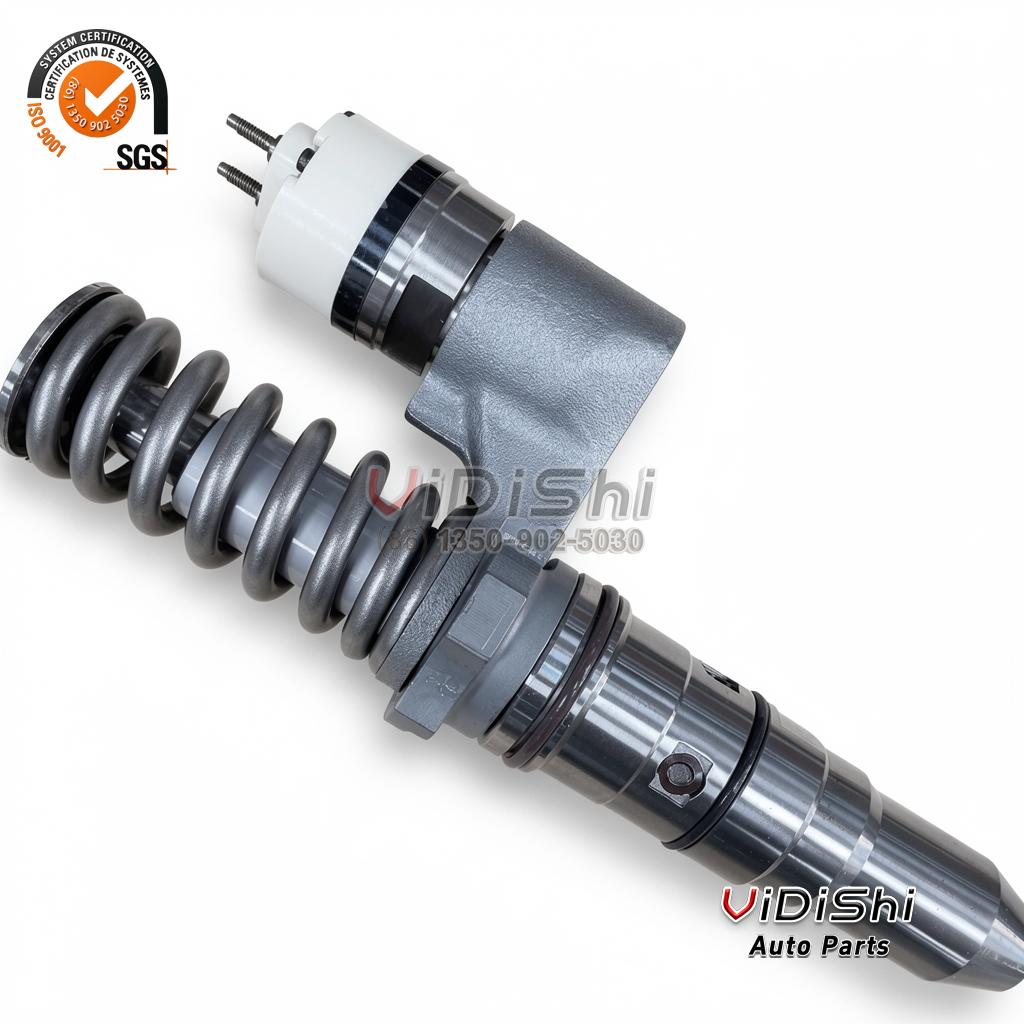
Common rail diesel is the fuel system behind most modern diesel cars. This chart compares it with unit injector (HEUI/EUI) designs used on heavier machinery — and explains where the high pressure fuel pump fits.
| Dimension | Common Rail | Unit Injector (HEUI/EUI) |
|---|---|---|
| Pressure source | One high-pressure pump feeds a shared rail | Each injector carries its own pumping element |
| Pressure level | Very high, constant in the rail | High, pressure built per injection |
| Timing control | ECU sets timing freely, multiple injections | Camshaft-driven, more limited |
| Injector design | Rail connects to simple injectors by lines | Pump and injector integrated per cylinder |
| Service | Pump and injectors replaced separately | Whole units more expensive |
| Best for | Modern diesel cars and light trucks | Heavy trucks and off-highway |
In a common rail injection system, the high pressure fuel pump (often called HPFP) feeds a shared rail so every common rail injector fires at very high pressure, with the ECU deciding the timing. Petrol direct injection uses the same high pressure fuel pump technology. If a common rail injector fails, symptoms include rough idle, smoke and power loss — and the injector is serviced or replaced as a unit.
Ceramic vs Semi-Metallic Brake Pads
The ceramic vs semi metallic brake pads question is the most common one at our counter. This brake pad comparison chart scores all three main compounds across seven dimensions — the same grid the industry uses.
| Dimension | Organic | Semi-Metallic | Ceramic |
|---|---|---|---|
| Stopping power | Moderate, fades when hot | Excellent, strongest when hot | Good and consistent |
| Brake dust | Low-moderate | High, dark and sticky | Very low, light colored |
| Noise | Quiet | Noisier, especially when cold | Very quiet |
| Rotor wear | Gentle | Harder on rotors | Very gentle |
| Heat resistance | Poor | Excellent | Good |
| Longevity | Shortest | Good, depends on driving | Longest |
| Cost | Lowest | Mid-range | Highest |
Which brake pads are best? For a daily commuter who wants quiet stops and clean wheels, ceramic brake pads are the best brake pads. For a truck, SUV or towing duty, semi-metallic wins on stopping power and heat. Ceramic vs semi metallic brake pads and ceramic brake pads vs semi metallic are the same comparison from two directions — whether you search ceramic or metallic brake pads, the chart is identical. Pick by vehicle and driving style, never by price alone. Organic suits light-duty and older cars.
AGM vs Flooded Battery
AGM vs flooded battery and agm vs lead acid battery are the same question — flooded is classic lead-acid, AGM is the modern sealed upgrade. This battery comparison chart shows where each one earns its place.
| Dimension | Flooded (Lead-Acid) | AGM | Lithium (Start) |
|---|---|---|---|
| Construction | Liquid electrolyte, vented | Absorbed glass mat, sealed | Lithium cells with BMS |
| Best for | Budget, classic cars | Modern electronics, start-stop | Weight saving, racing |
| Vibration resistance | Fair | Excellent | Excellent |
| Maintenance | Check fluid level | Sealed, zero maintenance | Sealed, zero maintenance |
| Weight | Heavy | Heavy | Much lighter |
| Cost | Lowest | Higher | Highest |
The agm vs lithium battery comparison favors lithium only when weight matters — for a daily driver, an AGM battery gives the best balance. For most modern cars, an agm battery vs regular flooded battery comparison lands on AGM when the car has start-stop or heavy electronics. The best car battery type depends on your vehicle's spec sheet, not on preference — check the group size and CCA rating the manufacturer lists.
Spark Plug Types: Copper vs Platinum vs Iridium
Spark plug types differ mainly in the center electrode metal. This spark plug comparison chart explains why iridium vs platinum spark plugs is a real question — and where copper spark plugs still belong.
| Dimension | Copper | Platinum | Iridium |
|---|---|---|---|
| Electrode | Copper core, standard | Platinum tip | Iridium tip, finest |
| Service life | 20,000-30,000 miles | 60,000 miles | 80,000-100,000 miles |
| Performance | Good, needs more voltage | Better | Best, easiest spark |
| Cold start | Good | Better | Best |
| Cost | Lowest | Mid | Highest |
Copper vs iridium spark plugs comes down to service interval: copper is cheap and fine on older engines, while iridium fits modern ignition systems that run 80,000+ miles. The manufacturer's recommendation in your owner's manual is the final word — never downgrade the plug type below what the engine was designed for.
MAF vs MAP Sensor
The maf vs map sensor question confuses many owners — they are different systems, and a car usually has one or the other. This sensor comparison chart keeps the automotive sensor types straight.
| Dimension | MAF (Mass Air Flow) | MAP (Manifold Absolute Pressure) |
|---|---|---|
| Measures | Air mass entering the engine | Intake manifold pressure |
| Location | Between air filter and throttle | On the intake manifold |
| Typical engines | Most fuel-injected cars | Turbo and some older designs |
| Failure symptom | Rough idle, lean codes | Poor acceleration, rich codes |
| Clean/maintain | MAF cleaner spray | Check vacuum lines |
Map vs maf sensor and mass air flow vs map sensor are the same comparison — your engine is designed for one system, so the practical question is which sensor your car uses, not which is better. A dirty MAF causes the same symptoms as a failing one; try a mass air flow sensor cleaner before replacing it.
Oil Filter Comparison: Conventional vs Synthetic
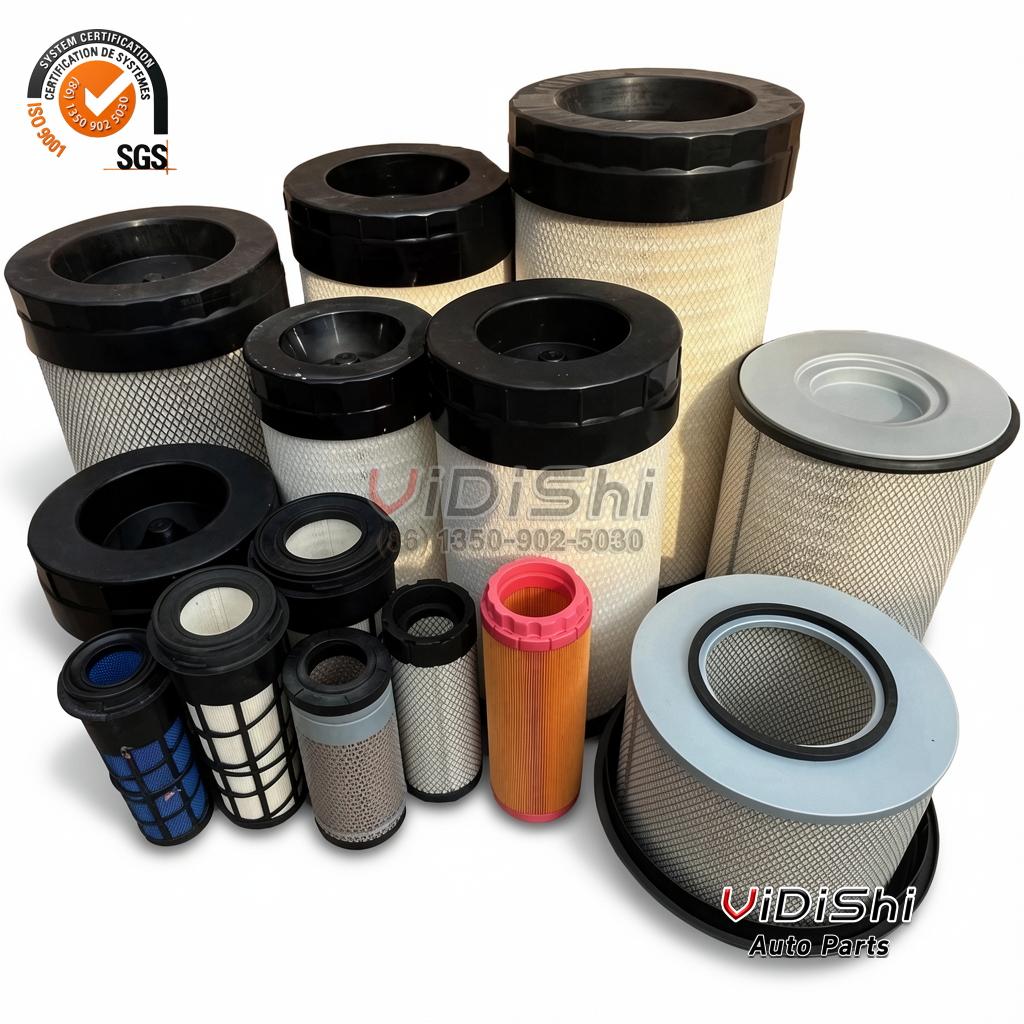
The synthetic vs conventional oil filter difference matters most when you run synthetic oil. This oil filter comparison chart and the air filter types summary below settle the basics.
| Dimension | Conventional Filter | Synthetic-Rated Filter |
|---|---|---|
| Media | Standard cellulose blend | Synthetic media, finer filtration |
| Best with | Conventional oil, standard intervals | Synthetic oil and extended intervals |
| Filtration | Good | Better — traps finer particles |
| Cost | Lower | Higher |
The best oil filter is the one rated for your oil type and change interval — a synthetic oil filter pairs with synthetic oil, while a conventional filter is fine on conventional oil. Air filter types are simpler: a standard panel filter for most cars, or a performance filter if you want more airflow. Match the filter to the spec, not the hype.
How to Read Comparison Charts
How to read comparison charts is simple if you keep one rule: match the column to your vehicle and driving style, not the highest score. No chart replaces the manufacturer's spec for your exact car.
✓ Read charts this way
- Start from your vehicle's spec sheet — the requirement, not the preference
- Score your driving: commute, towing, performance or light duty
- Weight the dimensions that matter most for that use (heat for towing, noise for city)
- Treat the oem vs genuine auto parts comparison as a fit-and-quality check
- Confirm the part fits your VIN before any chart matters
✕ Common mistakes
- Buying the cheapest option because it scores low on cost
- Mixing pad types on the same axle — always replace both sides alike
- Downgrading spark plug or battery type below the factory spec
- Choosing by brand popularity instead of by application
- Ignoring the change interval the chart tells you to expect
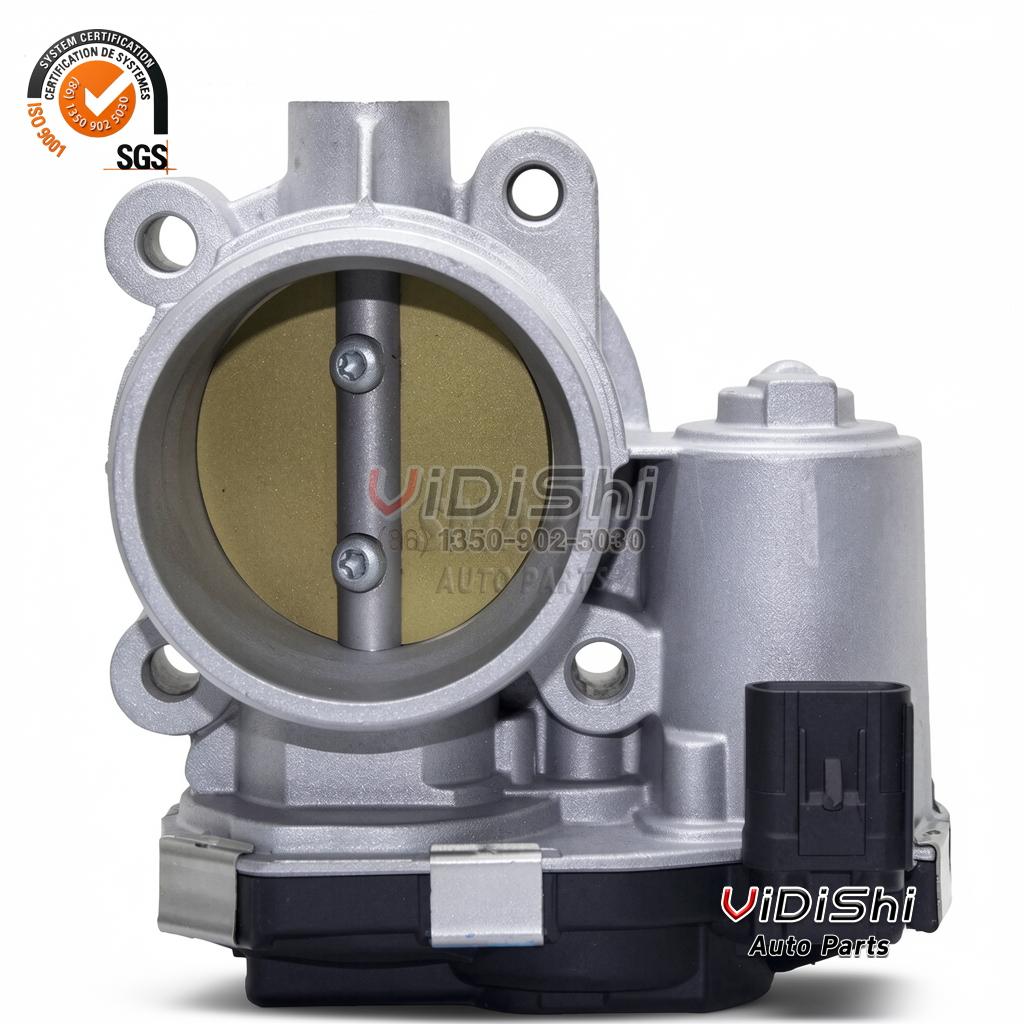
Chart says it's close? Ask us.
Send your VIN, the part number and how you drive — our parts team recommends the right type and brand for your situation within 24 hours.
[email protected] · WhatsApp +86 135 0902 5030

Comparison Charts — Frequently Asked Questions
Are ceramic brake pads good?
Yes — ceramic brake pads are excellent for most daily drivers: very quiet, produce little dust, and are gentle on rotors. They cost more up front but often last longest. The main reason not to choose ceramic is heavy towing or performance duty, where semi-metallic pads stop harder and handle heat better.
What is the difference between AGM and flooded battery?
A flooded battery has liquid electrolyte you may need to top up; an AGM battery is sealed with the acid held in glass mats — zero maintenance, better vibration resistance, and it handles modern electronics and start-stop systems. AGM costs more, which is why budget and classic cars still use flooded.
Which spark plugs are best?
For modern engines, iridium spark plugs are generally the best spark plugs — longest life and easiest spark. Platinum is a strong middle option, and copper spark plugs remain cheap and fine on older engines. The definitive answer is the plug type your manufacturer specifies, never a downgrade.
Is my car MAF or MAP?
Most fuel-injected cars use a MAF (mass air flow) sensor between the air filter and throttle; turbocharged and some older engines use a MAP (manifold absolute pressure) sensor. Check your owner's manual or send us your VIN — the practical question is which system your car has, not which is better.
Does synthetic oil need a special filter?
Synthetic oil does not strictly require a different filter, but a synthetic-rated filter is built to handle longer oil change intervals and offers finer filtration. If you run synthetic oil on an extended interval, choose a synthetic oil filter rated for that interval.
What warranty covers the parts in these comparison charts?
Every part carries a car parts warranty against defects in materials and workmanship — the auto parts warranty period varies by category, and the warranty card in your box states exactly what is covered and for how long. See our warranty policy for details.