
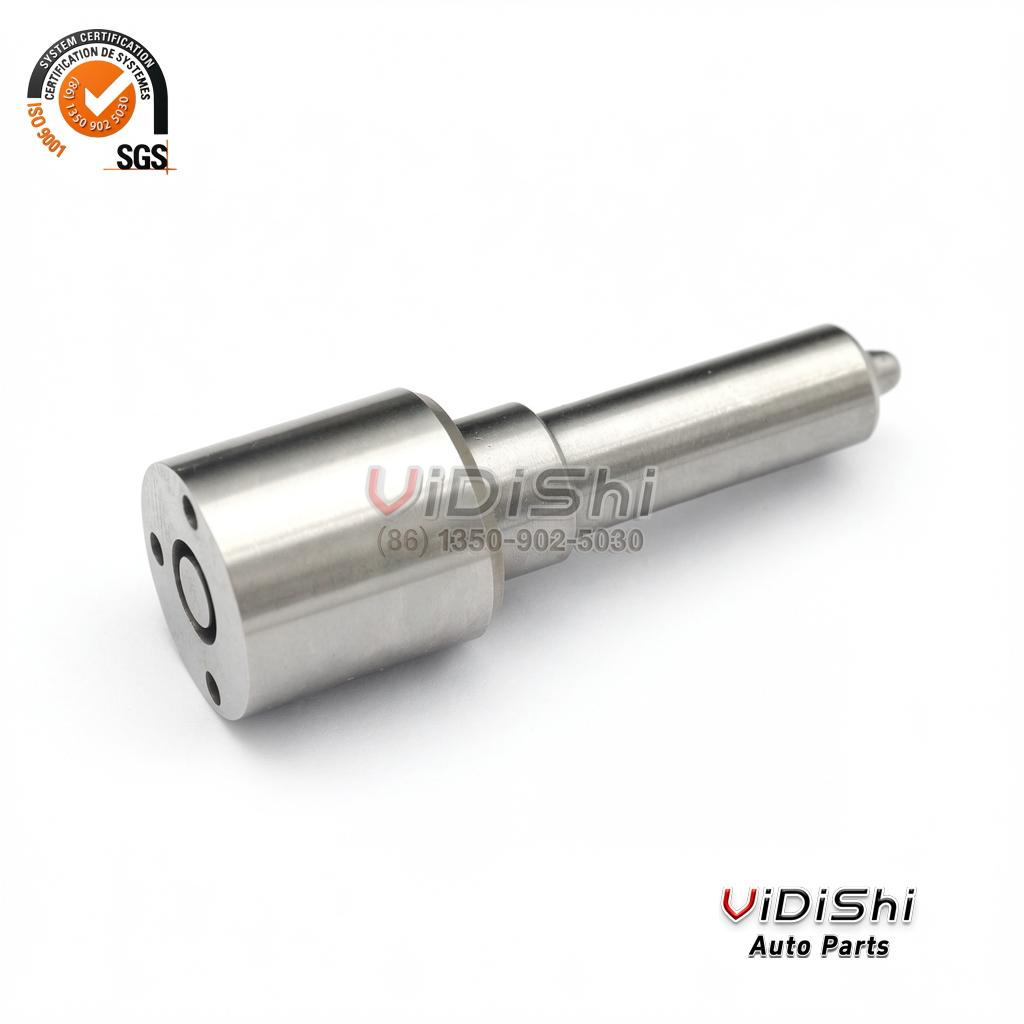
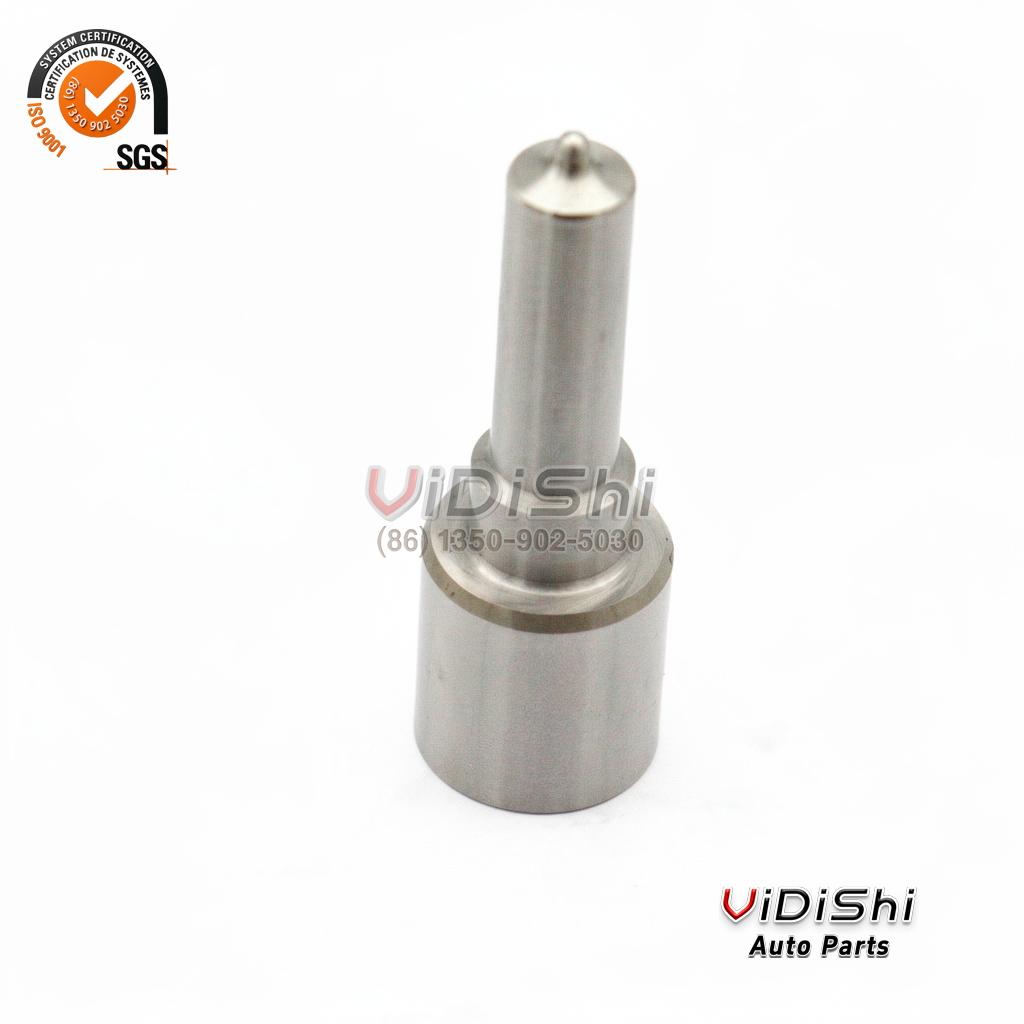
0433171974 Injector Nozzle for DLLA142P1595 Common Rail
New 0433171974 injector nozzle (Bosch component, type DLLA142P1595) for the 0 445 110 273 and 0 445 110 435 injectors used across the Fiat Ducato and Iveco Daily 2.3 range. A matched nozzle and needle set, not a complete injector. A Vidishi Auto compatible replacement with a 12-month warranty. Single package 10x10x10 cm / 2 kg gross, MOQ 4 pcs.
Original price was: $35.00.$15.00Current price is: $15.00.
100% Secure Checkout
Free Shipping Over $1099
Customer Satisfaction
International Shipping
Product Specifications
| Weight | 2.0 kg |
|---|---|
| Dimensions | 10 × 10 × 10 cm |
| make | |
| model | |
| engine | Bosch Common Rail, Fiat Ducato 2.3 Common Rail, Iveco Daily 2.3 Common Rail |
| position |
Product Details
Supply highlights
The commercial numbers that decide the order, for a nozzle supplied from a 4 pcs minimum in protective tubes.
Fitment verification in four steps
A nozzle is a component, so the check runs from the stamping outward rather than from the vehicle inward.
| Step | What to look at | What it proves |
|---|---|---|
| 1. Read the type number on the nozzle shank | The stamping on the component itself | Confirms the nozzle type: DLLA142P1595, the marking for Bosch number 0433171974 |
| 2. Note the injector number | The number on the injector being rebuilt | Confirms the parent: 0 445 110 273 or 0 445 110 435, or exchange number 0986435165 |
| 3. Photograph both markings | One shot of the shank, one of the injector body | Lets us match the pair in writing rather than assume from a chart |
| 4. Get written confirmation | Our reply before anything is invoiced | The match is agreed in writing, not assumed from a listing |
An engine code plate will not tell you which nozzle is fitted. Two injectors can sit under one engine code and still carry different nozzles, so the match is made on the type number stamped on the shank and on the injector number, never on the plate or the registration document alone.
The published reference for this component is the injector, not the car: the 0 445 110 273 injector and the 0 445 110 435 injector, with the Bosch exchange number 0986435165 reaching the same assembly. Those injectors are the 2.3 litre common rail units used across the Fiat Ducato and Iveco Daily light commercial range, so a DLLA142P1595 nozzle is ordered for a workshop rebuilding one of those injectors. A 0433171974 nozzle belongs to that injector family and to nothing else we can stand behind. If your vehicle is a different diesel, the honest answer is that this is probably not your component — send us the injector number and we will tell you what is.
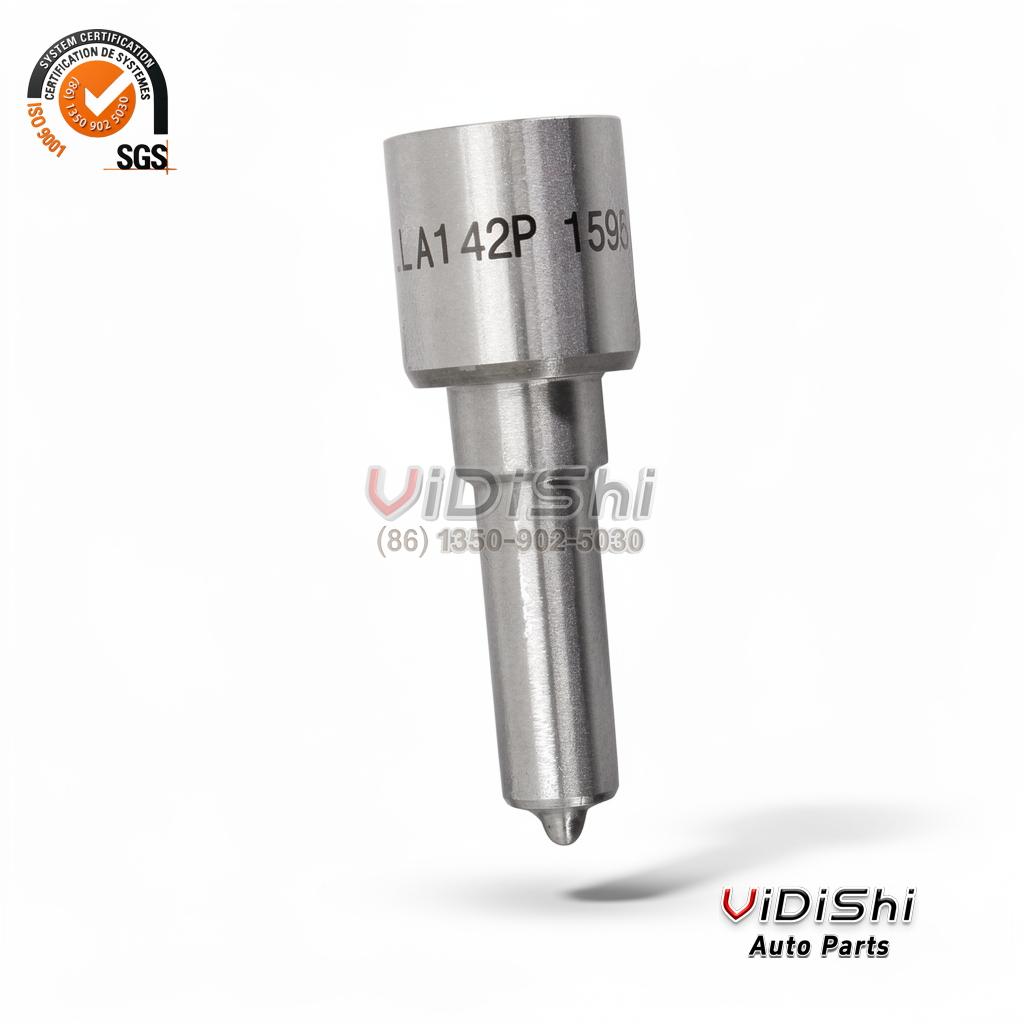
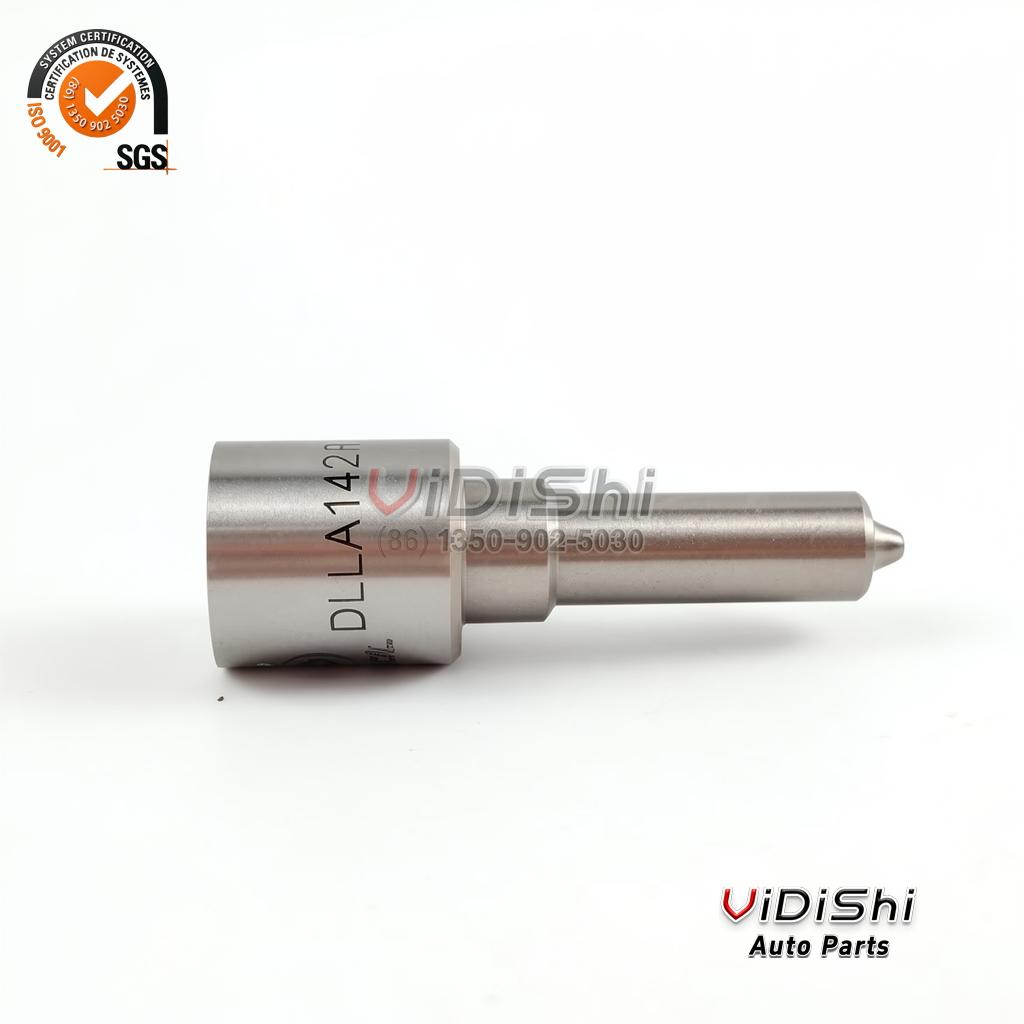
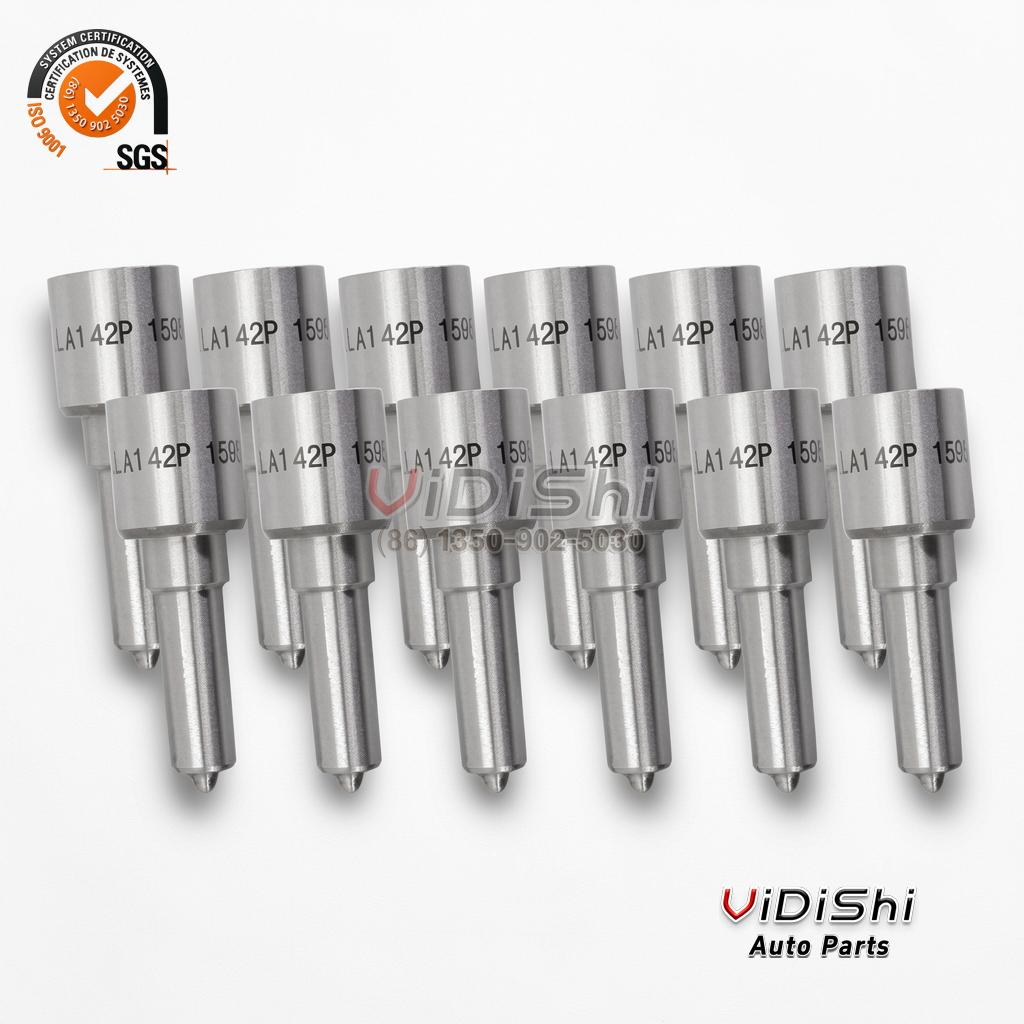
Identification points at the markings rather than the box. The type number etched on the shank of the nozzles we photographed is DLLA142P1595, and the Bosch catalogue number this page cross-references is 0 433 171 974 (0433171974). Those two describe one component: the first is the type number a rebuilder reads, the second is the catalogue number a parts system files. If you are asking how to identify a nozzle from this family, the shank stamping is where to start, and the needle end is what a bench check examines next.
Why the nozzle number needs its own page. Buyers search this number for one reason: it is stamped on the component, or written on a rebuild sheet, and nothing else explains it in terms of the injector it belongs to. We publish the mapping rather than the mythology. 0433171974 is the Bosch catalogue number for the nozzle; DLLA142P1595 is the type number on the part; the injectors it serves are 0 445 110 273, 0 445 110 435 and 0986435165. Once those lines are clear, the component is easy to place.
What a nozzle actually is
A plain-language look at the component, the number stamped on it, and the injector it belongs to.
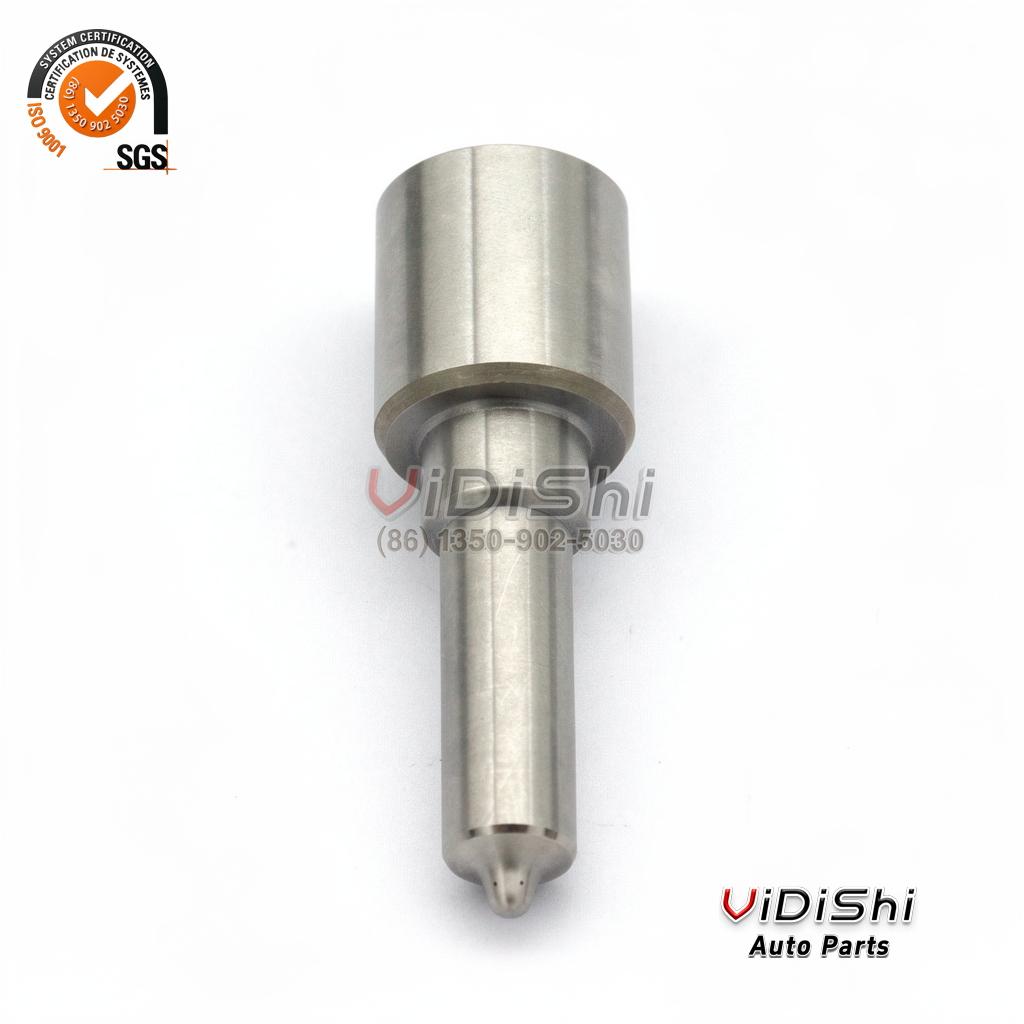
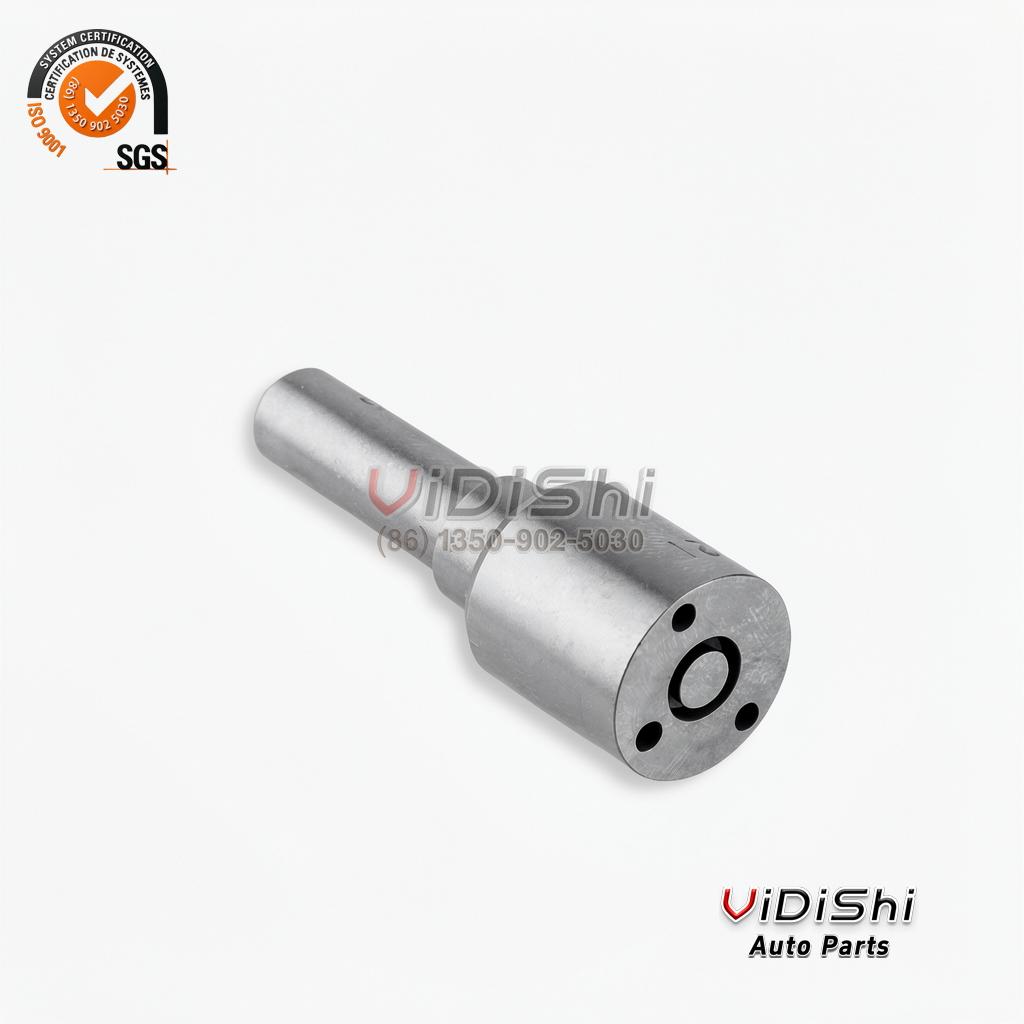
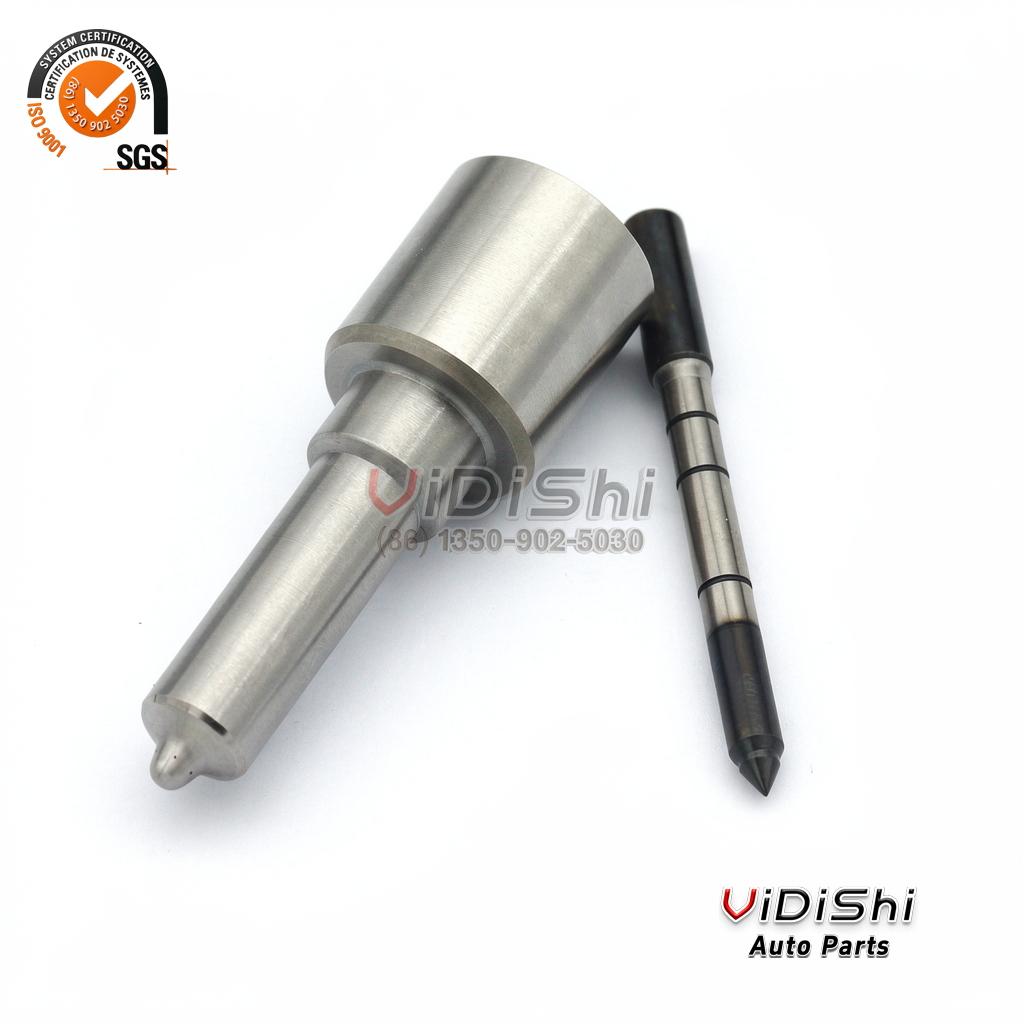
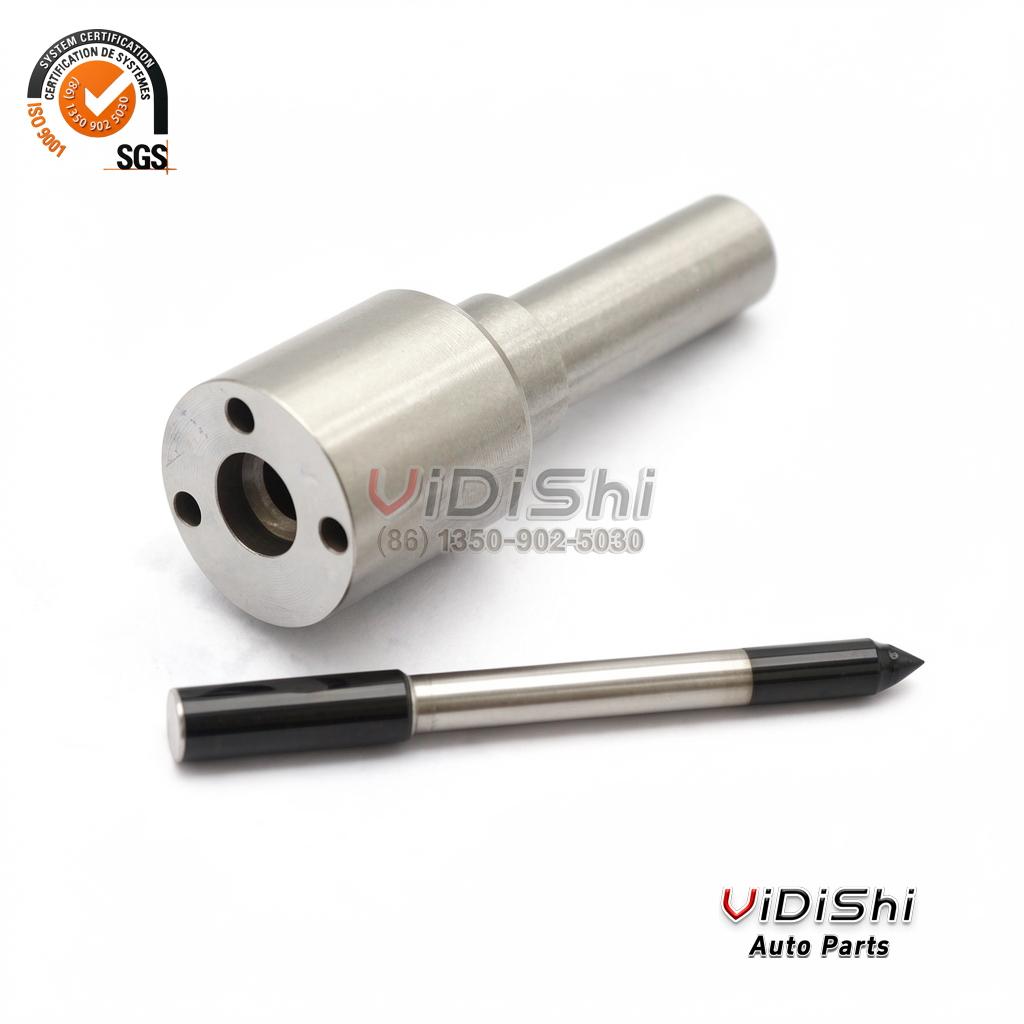
Start with the part, because the word nozzle is used loosely. The 0433171974 nozzle is the spray-forming component that sits at the tip end of a common rail injector. It is a matched set: a hardened body with a precision bore, and the needle that runs inside it and seals against the seat. Fuel arrives under rail pressure and is released through the spray holes only when the needle lifts. Nothing about that is cosmetic — the fit between needle and body is lapped to a tolerance that decides the spray, which is why the two are supplied and replaced as a pair and never mixed between units.
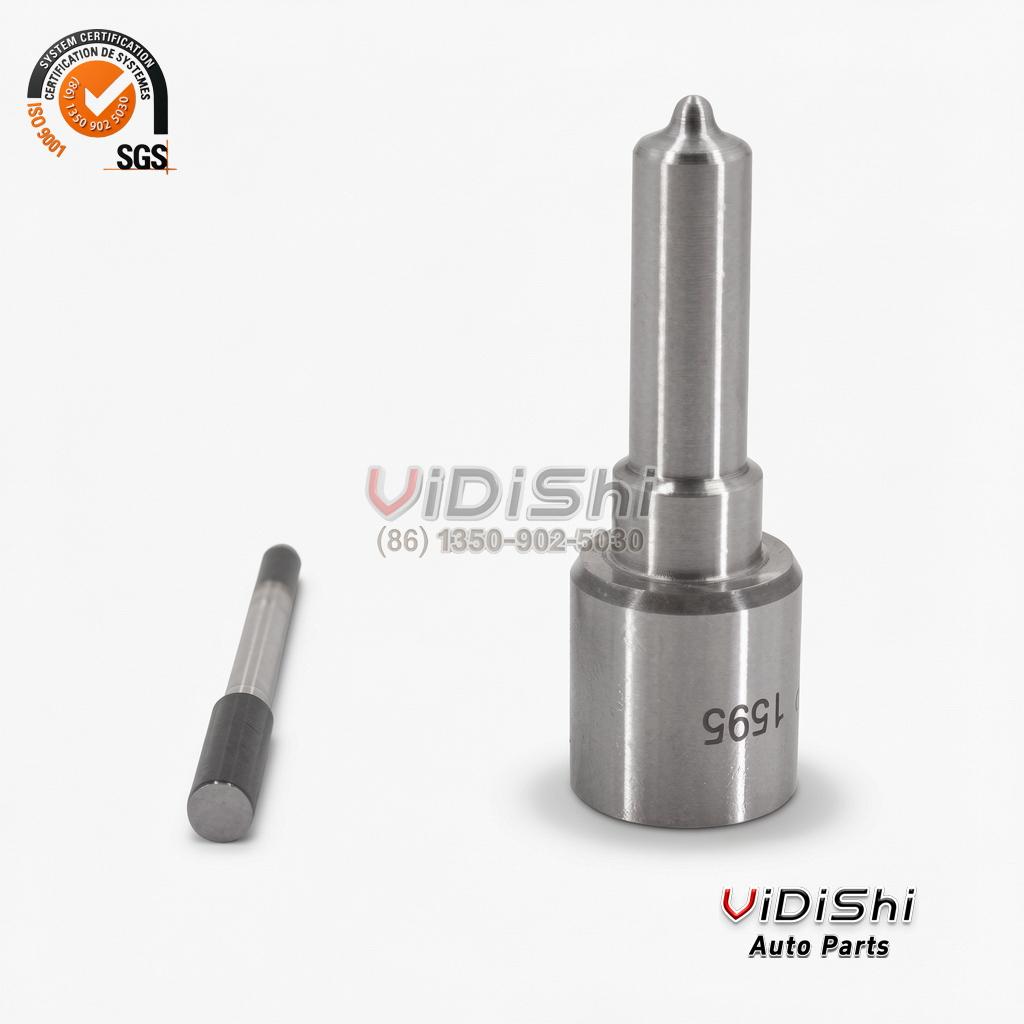
The component carries two identifiers. The type number DLLA142P1595 — written in full as DLLA 142 P 1595 — is stamped across the shank, and it is what a rebuilder reads off the part. The Bosch catalogue number 0433171974 (0 433 171 974) is what a parts system files it under. On this component the two travel together: the code in the stamping identifies the nozzle type, and the catalogue number is how that type is ordered. The 142 in the code is the spray angle of the nozzle, which is one of the ways a nozzle from this family is told apart from its neighbours.
Where the nozzle belongs is the part most buyers want confirmed. It is fitted inside the 0 445 110 273 injector (0445110273) and the 0 445 110 435 injector (0445110435), and it is listed in supplier catalogues against the Bosch exchange number 0986435165. Those three numbers reach the same family of 2.3 litre common rail injector, the units used across the Fiat Ducato and Iveco Daily light commercial range. That is the chain a nozzle buyer works along: nozzle to injector, injector to vehicle. Read in the other direction, it is why a nozzle page cannot honestly publish a vehicle application of its own — the vehicle application belongs to the injector.
Inside a working injector, the nozzle is only half of the spray story. A control valve regulates the return side of the injector so the pressure above the needle can rise and fall; the nozzle at the other end turns that pressure into a spray. When a injector is rebuilt, both are candidates for replacement, and both are identified by their own numbers rather than by the injector number. If you are rebuilding a common rail injector and need the spray component specifically, you are on the right page; if you need the valve assembly, that is a different number and a different page.
Where our supply differs is the brand. The Bosch number is part of a catalogue and a service programme; we supply a new compatible nozzle instead, built to the Bosch specification for this component and sold under the Vidishi Auto brand. There is no core to return and no rebuilt core in the chain, which matters less for a small component than for a whole injector but is still the difference between a rebuild that closes at the bench and one that waits on an exchange. One thing we do not do is dress that up as a Bosch part. The 0433171974 nozzle we ship is ours, not Bosch’s, and the Bosch number 0433171974 and the type number DLLA142P1595 appear on this page so you can match your rebuild sheet to what we supply.
0433171974 specifications
Confirmed values first, then the parameters we deliberately mark as not published rather than guess. The second table is long on purpose: on a nozzle, most of the numbers a buyer might want are bench figures rather than catalogue values, and saying so is more useful than printing an approximation.
| Bosch number | 0433171974 |
| Bosch catalogue number | 0 433 171 974 (0433171974) |
| Type number (stamped) | DLLA142P1595 (DLLA 142 P 1595) |
| Component type | Injector nozzle — matched nozzle and needle set |
| Fits injectors | 0 445 110 273 (0445110273), 0 445 110 435 (0445110435) |
| Bosch exchange number | 0986435165 (same injector family) |
| Nozzle family | Bosch DLLA142P |
| Spray angle | 142 degrees |
| Vehicle range of parent injectors | Fiat Ducato, Iveco Daily 2.3 litre common rail |
| Condition | New — Vidishi Auto compatible replacement |
| Supplied brand | Vidishi Auto — a compatible replacement part, not Bosch-branded |
| Minimum order quantity | 4 pcs |
| Warranty | 12 months against manufacturing defects |
| Single package size | 10 × 10 × 10 cm |
| Single gross weight | 2.0 kg |
| Core return | Not required with our supply |
| Number of spray holes | Not published — supplier listings differ; withheld rather than approximated |
| Spray hole diameter | Not published — no figure we can stand behind for this type |
| Material grade | Not published beyond high-speed steel; the exact grade is not released |
| Needle lift and seat angle | Not published — internal figures are not released |
| Opening pressure | Not published — set per unit on the test bench, not on the nozzle label |
| Bare nozzle net weight | Not published — only the packed gross weight is given |
| Flow rate | Not published — a bench figure, not a catalogue value for this type |
| EAN / GTIN | Not published — no EAN is released against this reference |
| Exact engine-code coverage | Not published — the reference is the injector number, not an engine code |
How we label data. Confirmed means a value read directly from the goods we handle or from the Bosch nozzle catalogue, including the type number DLLA142P1595. Reference means an injector number or a Bosch exchange number, quoted so your rebuild sheet can be matched, and carrying no claim about origin. Not published means the field is left blank on purpose — a spray hole diameter or an opening pressure that we cannot source would be worse than an empty cell, because it would end up in somebody’s bench notes.
What is in the box. The supplied component is the matched nozzle and needle set: the nozzle body with its spray holes, and the needle that runs inside it and seals on the seat. Each nozzle travels in a protective tube so the tip arrives undamaged, and a lot is boxed and weighed against the documented gross weight. Nothing else is sold loose from this page — a control valve or a complete injector is a different component with its own number.
Cross reference and how to read it
The numbers that resolve to this component, and what each one is.
| 0433171974 | Bosch catalogue number (this nozzle) |
| 0 433 171 974 | Bosch catalogue number, same component |
| DLLA142P1595 | Type number stamped on the nozzle shank |
| DLLA 142 P 1595 | The same type number spaced as it is stamped |
| 0 445 110 273 | Parent injector this nozzle is fitted in (0445110273) |
| 0 445 110 435 | Parent injector this nozzle also serves (0445110435) |
| 0986435165 | Bosch exchange number reaching the same injector family |
| DLLA142P | Bosch nozzle family this type belongs to |
Read this as a map of one component rather than a list of interchangeable parts. Every number above describes the same nozzle, but it does so from a different place: the Bosch catalogue number 0433171974 comes from the Bosch nozzle catalogue, the type number DLLA142P1595 is what is stamped on the part, and the injector numbers 0 445 110 273 and 0 445 110 435 come from the injectors the nozzle is fitted inside. The exchange number 0986435165 is not a different nozzle; it is a service entry that reaches the same injector family.
As a 0433171974 cross reference, the table is also a boundary. It does not say that any neighbouring nozzle number fits your injector, and it does not say that a nozzle and a control valve are the same kind of part. Those are separate components with separate numbers. What we will do is confirm the pair against your own markings — the stamping on the nozzle and the number on the injector — and that confirmation costs nothing before you order.
Two practical lines. Anyone searching for a DLLA142P1595 equivalent is usually looking for a new supply against a stamped type number, which is what this page offers; the note about the Bosch exchange programme is there so the difference is clear before you buy, not after. And if you are holding an injector number with no idea which nozzle it takes, the answer is in the table: 0 445 110 273 and 0 445 110 435 both take the DLLA142P1595 type.
Built as a matched set, supplied as a service component
What this component gives a rebuild bench that a reclaimed nozzle does not.
Matched nozzle and needle
The component arrives as a matched pair: the nozzle body and the needle lapped to it. Nothing needs pairing up from loose parts.
New, not reconditioned
A new compatible nozzle rather than a reclaimed one, so there is no exchange loop and no wait for a core to be accepted.
Type number on the part
DLLA142P1595 is stamped on the shank, which is what a rebuilder reads when checking against a rebuild sheet.
Published injector reference
The injectors this nozzle serves — 0 445 110 273 and 0 445 110 435 — are stated plainly, so the check starts from a known answer.
Protective tube
Each nozzle travels in a tube, because the needle tip is the part most easily damaged in transit.
Cleaned before packing
Nozzles are handled and inspected as a set, then re-tubed for export so nothing arrives with bench debris on it.
Consistent lot
A lot is boxed and weighed against the documented figure, so a workshop order arrives as one identifiable batch.
Trade quantities
Supplied from 4 pcs, with rebuild-shop and distributor quantities quoted per order on export documentation.
The practical difference is simple. A reclaimed nozzle arrives with a history nobody can inspect: it has already been run, cleaned and re-lapped, and how much material came off the seat in that process is not something you can measure from the outside. A new compatible nozzle starts from a known point, and the bench result is reproducible across a set. For a shop rebuilding four injectors at a time, that consistency is usually the deciding factor rather than the headline figure.
Signs of a tired nozzle
What technicians report from the cab. The component is only confirmed afterwards, on the bench.
- Rough idle and a misfire on one cylinderWhen the nozzle no longer atomises cleanly the affected cylinder gets a poorer burn than the ECU expects. An intermittent misfire at idle is usually the first report from the driver.
- Smoke under loadA spray pattern that has drifted turns into visible smoke and a duller response long before a fault code appears, because the fuel is still being delivered, just not properly.
- Hard starting and a long crankRail pressure takes longer to build when the injector leaks back internally, and a worn needle seat is one of the reasons that happens.
- Rising return flow on the benchThe test that settles it. A nozzle that no longer seals cleanly shows up as excessive back-leakage during a return quantity test.
- A fall in delivered quantityA nozzle that has lost seat integrity meters less fuel than the map expects, which reads on the bench as low delivery at the same rail pressure.
- Poor spray patternAtomisation is judged by eye as well as by figure. A pattern that has gone streaky or asymmetric points at the spray holes or the needle.
- Fuel in the oil over timeA small internal leak can thin the engine oil over a long period, which is how a metering fault quietly becomes a much larger repair.
These signs overlap with a tired control valve, with a coding problem on a freshly rebuilt unit, and with a fuel supply fault elsewhere in the system, so treat the list as an early warning rather than a diagnosis. Confirm the component by return quantity and spray pattern on a test bench before you condemn a nozzle. A scan tool will show which cylinder is unhappy but it will not tell you why, and the bench figure is what separates a nozzle fault from a wiring or a control valve fault.
Read as symptoms rather than part numbers, these are the bad injector symptoms that reach the workshop first, running from a coarse spray pattern through to a genuine injector misfire: a diesel rough idle, a hard start diesel engine, black smoke diesel engine behaviour under load, and on longer term neglect fuel dilution in the sump. Drivers rarely describe them in those terms — they say the van feels flat or smokes on a hill — so the useful question is not which diesel injector problems are listed here, but whether the unit over-returns on the bench. An injector return flow test answers that; a symptom list only points you at the cylinder, and only the strip and inspect step tells you whether the nozzle is the cause.
Fitting a nozzle into a common rail injector
A short, practical sequence for a rebuild bench working on a 0 445 110 273 or 0 445 110 435 injector.
- 1. Clean before you open the injectorWork on a clean bench and blow the injector down before it comes apart. Grit inside the nozzle bore is the quickest way to spoil a new set, and it is the one variable a workshop fully controls.
- 2. Strip and record the codeNote the number on the injector body and the type number on the old nozzle before anything is separated. A rebuild sheet without the old markings is a rebuild sheet nobody can check afterwards.
- 3. Clean the injector bodyRemove carbon from the nozzle seat area and the bore, and inspect the seat face. The new nozzle seals against that face, so a marked or pitted seat will undo a new component.
- 4. Fit the matched set togetherKeep the nozzle body and its needle as the pair they arrived as. Do not mix a needle from one set into another, and do not lap or polish either part on the bench.
- 5. Reassemble and torque correctlyFollow the engine maker figures for nozzle retaining nut torque and the sequence for the injector. The torque belongs to the injector or the engine, not to the nozzle.
- 6. Prove it on the test benchRun return quantity and spray pattern checks with the rebuilt injector on an injector tester before it goes back on the engine. If you are rebuilding a set, bench the first one and keep the figures as the reference for the rest.
Most of the risk in a nozzle job sits either side of the component itself. Before it goes in, cleanliness and the seat condition decide whether it seals. After it goes in, the bench proves whether it meters. Neither is difficult, and both are routinely skipped under time pressure. If you would rather not carry the job in house, read the installation guide and the maintenance guide for the wider routine, or put the question to us before you start.
Two notes for workshops. A nozzle job on a high pressure common rail engine starts with a clean fuel path: a tank of dirty fuel will shorten the life of a new nozzle as surely as a bad fit will. And a bench check after the rebuild is what separates a rebuild from an assumption. The rest is standard diesel injector rebuild discipline: strip and inspect, injector cleaning of the body and seat, then reassembly, injector coding of the rebuilt unit and a common rail injector test bench run to prove the result. An injector rebuild is only as good as that sequence, and the injector torque specification belongs to the injector rather than to the nozzle. None of it is specific to this number; it is what keeps any fuel injector inside tolerance after a rebuild.
Warranty and after-sales cover
What we stand behind on a nozzle, and what is outside the cover.
Every 0433171974 nozzle is covered by a 12-month warranty against manufacturing defects. That covers a component that arrives out of specification or fails early because of how it was made. It does not cover damage from contaminated fuel, from incorrect fitting, from a damaged injector seat, or from a separate fault elsewhere in the fuel system. It is a supplier warranty from Vidishi Auto, and it is not a Bosch warranty — we are not a Bosch dealer and no Bosch cover travels with this part.
If a nozzle is suspected faulty, send us the order reference, the type number read off the shank, and your bench figures. We will confirm the next step against our warranty terms and the returns process.
The cover sits at component level. It applies to the nozzle as supplied, and it does not extend to the injector it is fitted into, to the engine, or to bench labour. That boundary is normal for a fuel system component, and it is worth stating before the order rather than after a problem.
Two questions buyers ask. The 0433171974 warranty starts from delivery, not from fitting, so a set held on the shelf for a season is still covered for the stated term from the date it reached you. And because there is no core return with our supply, the warranty is not tied to an exchange claim — the old nozzle stays yours, and the cover on the new one is unaffected by what you do with it.
Wholesale supply for rebuild shops and distributors
A nozzle is a consumable, and a rebuild bench gets through them in sets. Here is how we supply it.
A nozzle is rarely bought one at a time, so the 0433171974 is supplied from a 4 pc minimum — enough for a set of four injectors, with larger rebuild-shop and distributor quantities quoted per order against your build list. We supply rebuild benches, fleet workshops and parts importers working on the 0 445 110 273 and 0 445 110 435 injectors, and trade quantities are quoted per order on the same export documentation. Because a nozzle is the internal part, orders are usually placed alongside the other rebuild items a bench consumes, and mixed orders are normal on our side rather than a special request.
For trade buyers: the 0433171974 price — the nozzle price for this line — is quoted rather than listed as a fixed figure, because pricing moves with quantity and with what else is on the order, which is how nozzle wholesale normally works. The injector nozzle moq is 4 pcs. We supply diesel injector parts bulk orders to an injector parts distributor as well as direct to rebuild benches, and we handle diesel parts wholesale and wider auto parts wholesale lines on the same export documentation. One practical note for a bench rebuilding a set: order the nozzles as one lot, because a lot arrives as an identifiable batch and the bench figures from the first unit then carry across the set with fewer variables.
Packaging, shipping and lead time
How a nozzle lot is packed, and what to expect on an export order.
| Single package size | 10 × 10 × 10 cm |
| Single gross weight | 2.0 kg |
| Minimum order | 4 pcs |
| Protection | Each nozzle tubed individually, lot boxed |
| Freight modes | Courier, air and sea |
| Documentation | Commercial invoice, packing list, HS code |
| Core return | Not required |
The figures above are the packed export figures for the supplied lot, not the weight of one bare nozzle. We do not list a bare nozzle size or a bare nozzle weight, because no source we can trust gives one for this component, and a specification table padded with approximations helps nobody. Lead time is quoted per order and depends on quantity and on what else is on the same shipment. For nozzle export shipping, every order leaves with its paperwork in place — commercial invoice, packing list and HS code. Read our shipping information for freight options, and track your order once it ships.
Quality checks before a nozzle leaves us
How the 0433171974 is treated before it is packed for export.
A nozzle is a small component with an outsized effect on how an injector performs, so nozzle quality is checked at set level rather than by sample. Every lot passes an incoming check for the stamped type number and the nozzle type, a seat and needle inspection, and a packed-weight confirmation against the documented figure. Rather than publish reviews we cannot verify, we tell you how the component is inspected and let your own bench be the judge.
0433171974 FAQ
The questions buyers ask most about this nozzle and the number stamped on it.
What is 0433171974?
0433171974 is the Bosch catalogue number (0 433 171 974) for a common rail diesel injector nozzle: the spray component that sits inside the injector, not a complete injector on its own. It carries the type number DLLA142P1595 on the shank. The nozzle is the part that atomises fuel at the tip, and it is a service component that a rebuilder replaces inside the injector rather than a unit that bolts straight to the engine.
Is 0433171974 a Bosch number?
Yes. 0433171974 (0 433 171 974) is a Bosch nozzle catalogue number, and the same component is known by its stamping, DLLA142P1595. Bosch nozzle numbers of this series are the reference a rebuilder reads off the shank. We quote the number as a fitment reference for the compatible nozzle we supply; we are not a Bosch dealer and the part we ship is not Bosch-branded.
What does 0433171974 fit?
It is the nozzle used inside the 0 445 110 273 injector (0445110273) and the 0 445 110 435 injector (0445110435), and it is also listed against the Bosch exchange number 0986435165. Those injectors are the 2.3 litre common rail units used across the Fiat Ducato and Iveco Daily light commercial range. A nozzle does not fit an engine directly: it fits the injector, and the injector fits the vehicle.
Is 0433171974 a complete injector?
No, and this matters. 0433171974 is a nozzle only. It is the matched nozzle-and-needle set that goes inside a common rail injector, and it is not a complete injector and not a whole injector assembly. If you need the full unit, order against the injector number 0 445 110 273. If you are rebuilding an injector on a bench, this is the spray component you replace.
What is DLLA142P1595?
DLLA142P1595, written in full as DLLA 142 P 1595, is the type number stamped on the 0433171974 nozzle. It is the marking that identifies the nozzle type, and it is what a rebuilder reads when checking a nozzle already in service. The 142 in the code is the spray angle of the nozzle; the code is how one nozzle is told apart from another in the same family.
Which injectors use the DLLA142P1595 nozzle?
It is listed against the 0 445 110 273 and the 0 445 110 435 injectors, and against the Bosch exchange number 0986435165, which reach the same assembly. All three numbers point at the same family of 2.3 litre common rail injector. If your injector carries a different number, send it to us with a photograph of the nozzle stamping and we confirm which nozzle type your unit takes before quoting.
How do I know my nozzle has worn out?
The honest answer is that you prove it on a bench, not by a symptom list. A worn nozzle usually shows up as poor atomisation: a rough idle, more smoke under load, a rise in return flow and a fall in delivered quantity. Those signs overlap with a tired control valve or a coding problem, so the test that settles it is a return-flow and spray-pattern check with the injector on an injector tester.
Do I need to code anything after fitting a nozzle?
A nozzle change is an internal repair, so the injector still carries an IQA or IMA correction code that the workshop enters into the ECU. After rebuilding an injector the unit should be proved on a test bench, and the code recorded against the work. The exact coding procedure and the value belong to the engine and to the vehicle maker, so follow the manufacturer figures for the vehicle in front of you.
What is the minimum order quantity?
The 0433171974 nozzle is supplied from a minimum order quantity of 4 pcs. That suits a rebuild shop doing a set of injectors rather than a single cylinder, and larger workshop or distributor quantities are quoted per order against your rebuild list. Trade and importer volumes are quoted on the same export documentation.
What is the lead time?
Lead time is quoted per order and depends on quantity and on what else ships on the same consignment. We do not publish a fixed lead time because availability moves with order size; tell us the quantity and the injector numbers you are rebuilding and we reply with a written quote and lead time before anything is invoiced.
What is the warranty and return policy?
Every 0433171974 nozzle is covered by a 12-month warranty against manufacturing defects, supplied by Vidishi Auto and not by Bosch. If a nozzle is suspected faulty, send the order reference, the type number read off the shank and your bench figures, and we confirm the next step against our warranty terms and returns process. It is a supplier warranty covering the nozzle as supplied; it does not extend to the injector it is fitted into or to bench labour.
Is the 0433171974 nozzle a genuine Bosch part?
No. The nozzle we supply is a new Vidishi Auto compatible replacement made to the Bosch specification for this component, not a genuine Bosch part and not a Bosch-branded or Bosch remanufactured item. The Bosch number 0433171974 and the type number DLLA142P1595 appear on this page as fitment references only, so that the part you hold can be matched to what we supply.
Related parts and pages
Everything around this nozzle, on one site — from the wider nozzle range to the components that sit beside it inside an injector, and the fault-finding pages that explain the system it works in.
Comparison chartsReference charts for Bosch injector and nozzle families.Buying guidesHow to confirm a part before you order.Fault codesDiagnosing common rail injection faults.Help centreOrdering, packing and documentation questions.
Technical support and how to order
Send us the nozzle stamping and the injector number and we will confirm the component.
Nozzle technical support is not an add-on here — it is the way most orders get placed correctly. It costs nothing before you buy: send the type number from the nozzle shank, the number on the injector being rebuilt, and a photograph of both markings, and we check the pair against what we supply before quoting. Ordering a nozzle on a number alone is the most common way a rebuild goes wrong, because a nozzle type number and an injector catalogue number are easy to confuse and a rebuild sheet is easy to misread. Support continues after delivery: bench figures, coding questions and warranty claims all reach the same team, and the person who confirmed your component is the person who answers if something is not right.
Supplier note. WholesaleAutoPartsDirect is an independent supplier of compatible automotive parts and is not affiliated with, endorsed by or acting as an agent of Bosch. Brand names and part numbers are used for reference and fitment only.
Reviews