
1467045031 Fuel Pump Control Unit for Nissan Patrol PSG5 VP44
New 1467045031 fuel pump control unit – the Bosch PSG5 electronic control module on the VP44 distributor pump. Assembly number 1467045031, cross-listed module number 0281010888, parent pumps 0470504026, 0470504029 and 0470504037, for the Nissan Patrol 3.0 Di with the ZD30DDTi engine and the Isuzu 4JH1 3.0D application. A Vidishi Auto compatible replacement, not a Bosch-branded product, with a 12-month warranty. Single package 40x30x30 cm, 3.000 kg gross, MOQ 1 pc.
Original price was: $400.00.$340.00Current price is: $340.00.
100% Secure Checkout
Free Shipping Over $1099
Customer Satisfaction
International Shipping
Product Specifications
| Weight | 3.000 kg |
|---|---|
| Dimensions | 40 × 30 × 30 cm |
| make | |
| model | |
| engine | Bosch VP44 Distributor Pump, Isuzu 4JH1 3.0D, Nissan ZD30DDTi 3.0 Di |
| position |
Product Details
Supply highlights
The commercial numbers that decide the order, for a pump control unit supplied from a single-unit minimum with no core return.
Fitment verification in four steps
Applications are published for this module, so the check is quicker than on a part with no fitment data — but it is still a check.
| Step | What to look at | What it proves |
|---|---|---|
| 1. Read the number on the old module | The electronic module you are unbolting from the pump | Confirms the part: 1467045031 on the assembly side, 0 281 010 888 on the module side, 0470504026 / 0470504029 / 0470504037 on the pump side |
| 2. Photograph the engine code plate | The plate carrying the engine code in the engine bay | Separates the ZD30DDTi and 4JH1 builds these pumps were fitted to |
| 3. Read the stored fault codes | The engine management with a scan tool | Confirms the module is the fault rather than a tired pump or a wiring problem |
| 4. Get written confirmation | Our reply before anything is invoiced | The match is agreed in writing, not assumed from a chart |
The published applications for this unit are the vehicles built around the Bosch VP44 pump with this control unit. Repair specialists list the Nissan Patrol (Y61) 3.0 Di against the cross-listed module number 0 281 010 888, with the ZD30DDTi 3.0 engine named for that application and build years running from 2000 into the middle of the decade, with one listing extending the run later still; the sources differ on the closing year, so we publish the range with the sources named rather than a single date. Parts suppliers list the Isuzu 4JH1 3.0D light truck application against the parent pump 0470504026. The parent pumps recorded across these applications are 0470504026, 0470504029 and 0470504037, so a job card that carries any of those pump numbers should resolve to this control unit. An 1467045031 belongs to that group and to nothing else we can stand behind.
Why the engine plate matters more than the model badge. The same vehicle name was built with more than one engine, and the pump fitted to it changed with the engine. That is exactly why the engine plate decides the order and the badge does not. ZD30DDTi and 4JH1 are two different engines, and a module that runs one is not the module that runs another. Read the plate, write the code down, and send it with the number off the old module. A photograph of the plate is better still, and it takes a minute. Together with the stored fault codes that gives us everything needed to confirm the part before it is invoiced, which is the point of the check rather than the paperwork.
What this page is not claiming. We are not saying that any neighbouring 1 467 or 0 281 number fits, that a PSG5 module from another application substitutes, or that the pump is common across the range. 1467045031 is the module for the applications listed above, and the Bosch reference describes the same function on those pumps. Anything beyond that is better answered from your own parts data, and we would rather answer it with you than assert it here. The engine plate is the document that settles it, and live data settles whether the module is the fault at all.
What a fuel pump control unit does on a VP44 pump
A plain-language look at the module, the numbers written against it, and why it is so often confused with something else.
Before common rail took over, a wide run of diesel vehicles ran a distributor pump, and on the Nissan Patrol 3.0 Di that pump was the Bosch VP44. It works as a radial-piston pump: the pump elements serve the cylinders in turn, and the pump itself decides how much fuel goes out and when. On the VP44 those two decisions are made electronically rather than by a mechanical governor, which is what the electronic diesel control, usually shortened to EDC, means. The part doing that controlling is the 1467045031 fuel pump control unit — the module bolted to the top of the pump. Bosch groups it in the PSG5 control unit family. In the workshop it is more often called a pump ECU or a diesel pump ECU, and in vehicle diagnostics it turns up as the fuel pump control unit.
Two jobs sit inside that small box. It drives the valve on the pump that meters injected quantity, which is the valve the trade calls the fuel quantity regulator. It also reads the pump sensor that reports the rotation angle of the pump shaft, and from that it works out injection timing. Take the module off and the pump becomes a hydraulic device with no idea what to do; that is why a failed module stops the vehicle completely rather than making it run badly. All of those names — fuel pump control unit, PSG5, pump ECU, EDC unit — describe the same module, and that is precisely why the part is misordered. A single function, several names, and a number that has to be read off the part rather than guessed from the model.
The numbers attached to this one module are worth sorting out, because they arrive from two directions. Parts suppliers list the assembly as 1467045031, written 1 467 045 031 in grouped form, against the parent pumps 0470504026, 0470504029 and 0470504037. Repair specialists, who test and rebuild the electronics, list the same module as 0 281 010 888 against the Patrol 3.0 Di. Both routes resolve to the same box on top of the pump, and both are carried on this page as references so a buyer holding either number can be answered in one line. The misidentification runs in two further directions and both are expensive: reading the word fuel plus the electronics and concluding this is an injector or a common rail component, which it is not; and reading pump control unit and concluding this is the pump, which it is not. The pump body is a separate assembly with its own number, and the valve and the sensor that the module commands and reads carry numbers of their own.
Where our supply differs is in what arrives. Bosch supplies this module through its own network, and a buyer who needs a Bosch-boxed unit does need to go there. What we supply is a new compatible unit for the same job, sold under the Vidishi Auto brand, at a single-unit minimum with no core return. On this family that last point carries real weight, because rebuilding PSG5 modules is an established trade service and a great many of these units are repaired rather than replaced. A workshop that wants its original module rebuilt should use a specialist rebuild house. A workshop that wants a new unit without waiting for a core to be accepted, and without a core charge on the invoice, is who this line is built for.
One thing we do not do is dress that up. The module we ship is ours, not Bosch’s and not a vehicle maker’s. The assembly number 1467045031, the module number 0 281 010 888 and the parent pump numbers appear on this page so you can match the part you are replacing. They are references for fitment, not a claim about who made the part. The Bosch reference pages on this site hold the cross-reference material, and the glossary explains the terminology if any of the names above are unfamiliar.
1467045031 specifications
Confirmed values first, then the parameters we deliberately mark as not published rather than guess. The second table is long on purpose: on an electronic module, most of the figures a buyer might want are not released, and saying so is more useful than printing an approximation.
| Bosch assembly number | 1467045031 |
| Alternative forms | 1 467 045 031 (Reference) |
| Cross-listed module number | 0281010888 / 0 281 010 888 (Reference) |
| Parent pump numbers | 0470504026, 0470504029, 0470504037 (Reference) |
| Part type | Electronic fuel pump control unit (pump ECU) for the Bosch VP44 distributor pump |
| Series | Bosch PSG5 control unit family, single-connector VP44 electronic diesel control (Reference) |
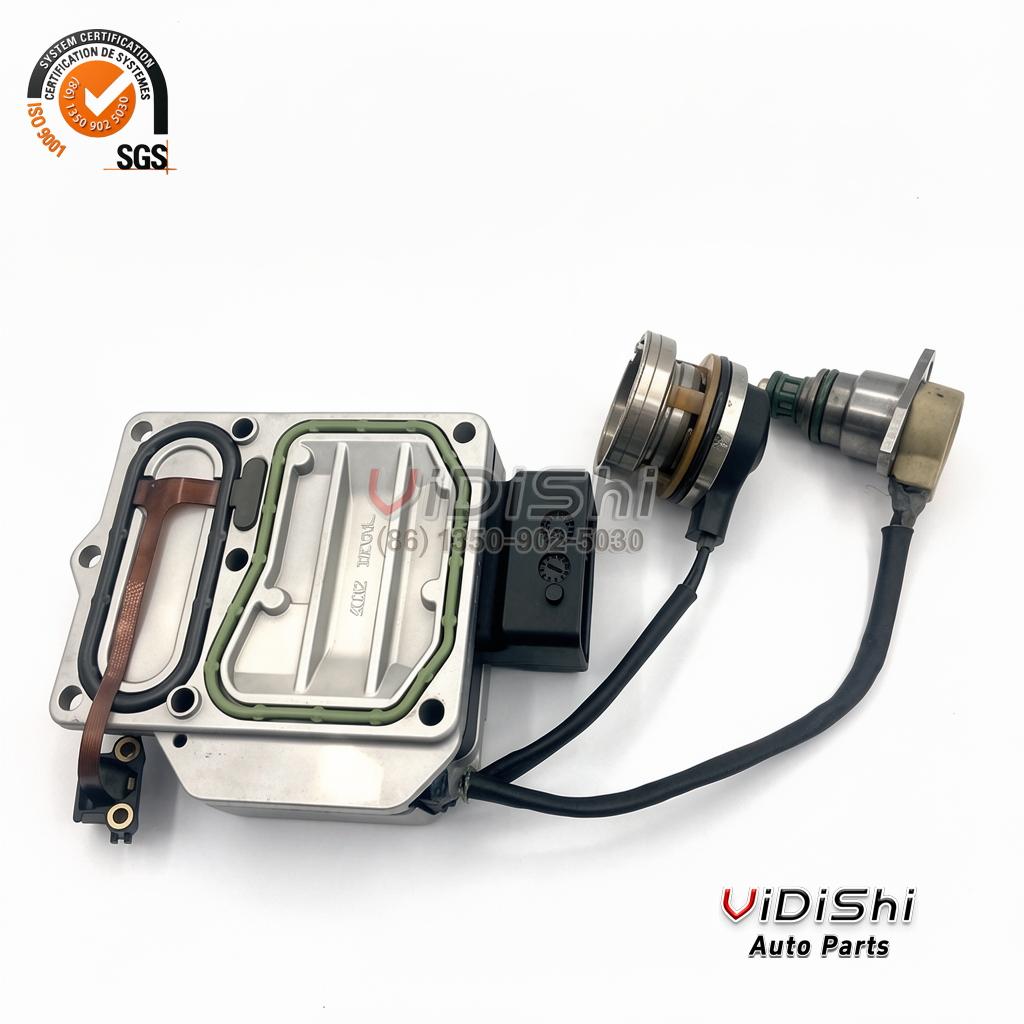
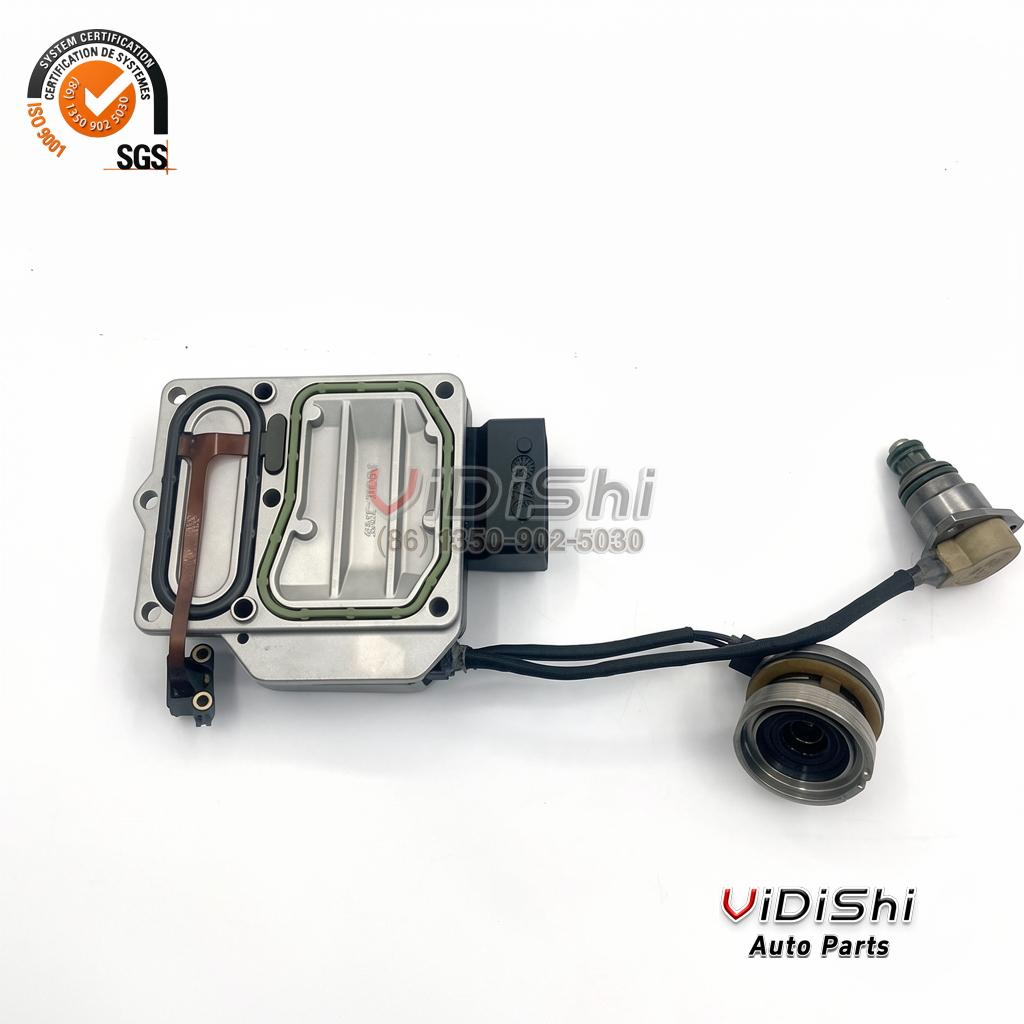
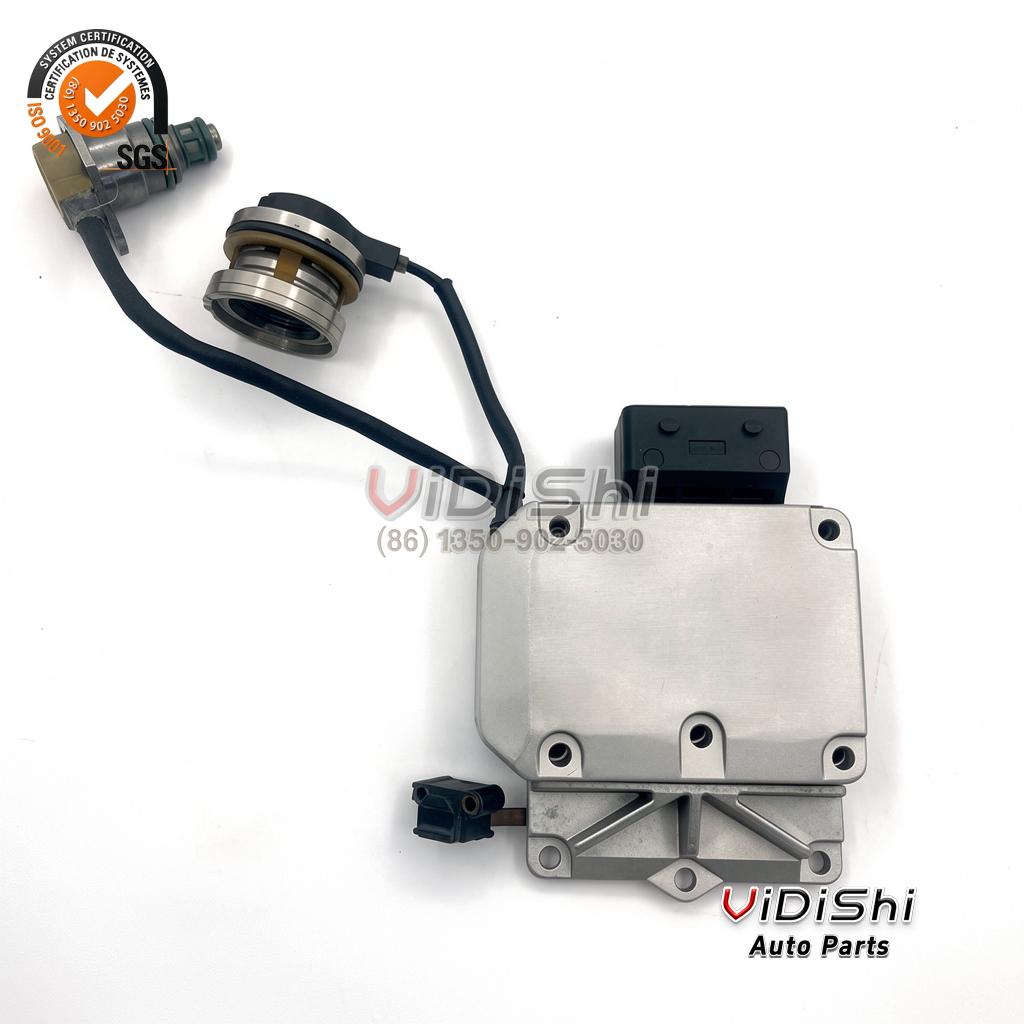
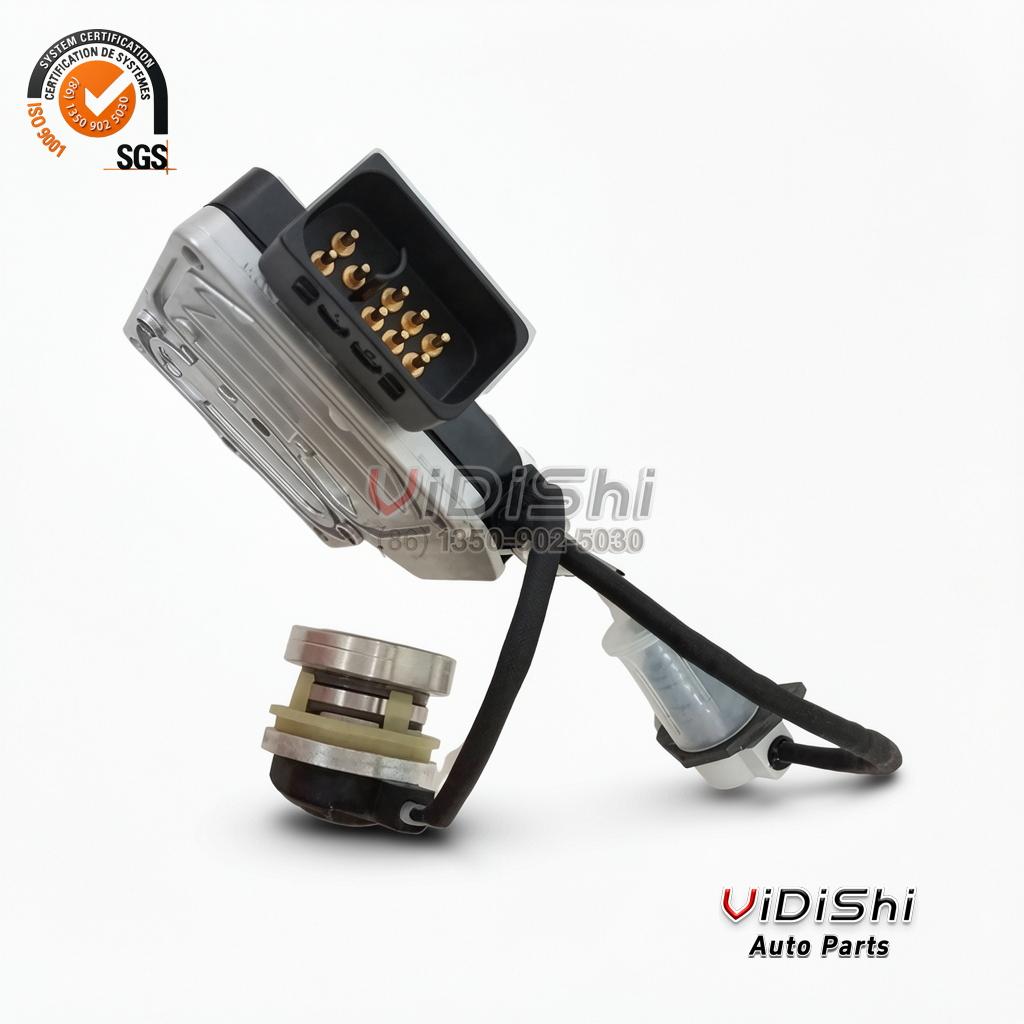
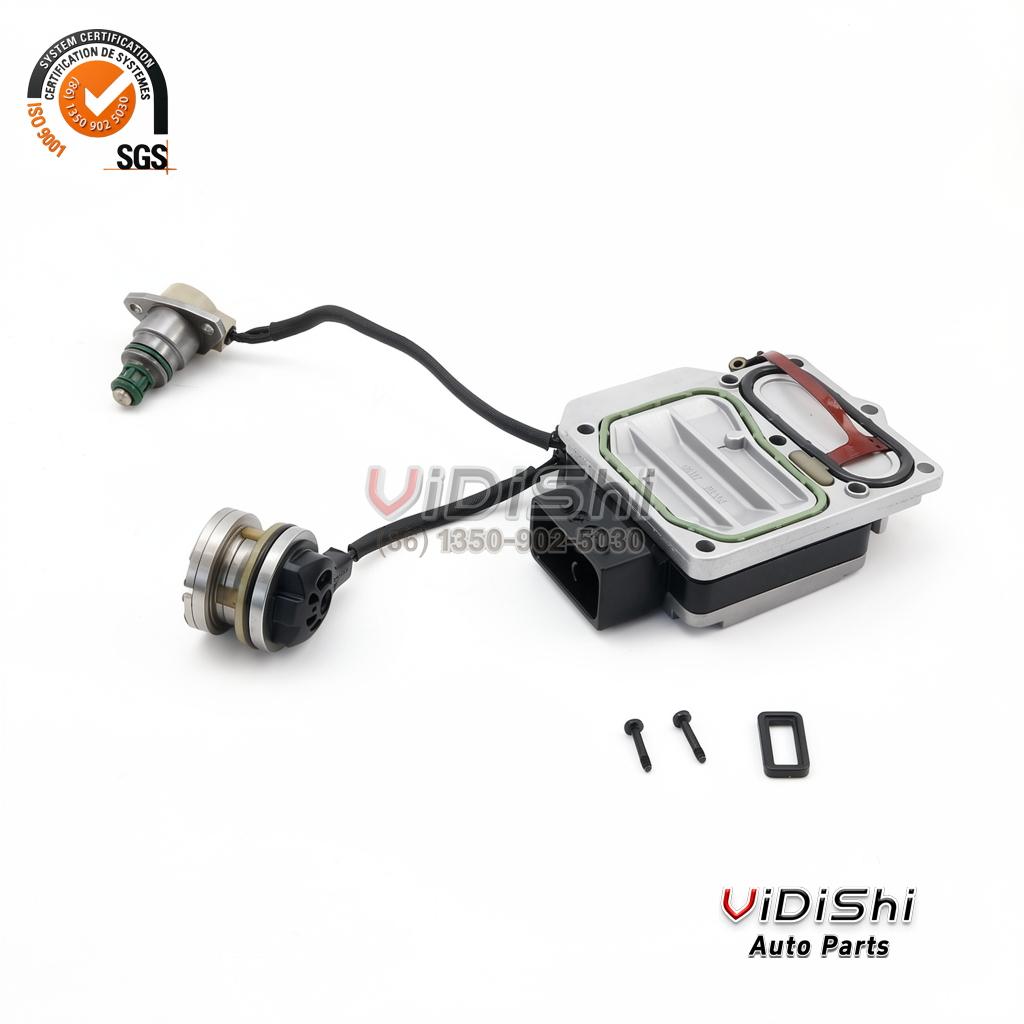
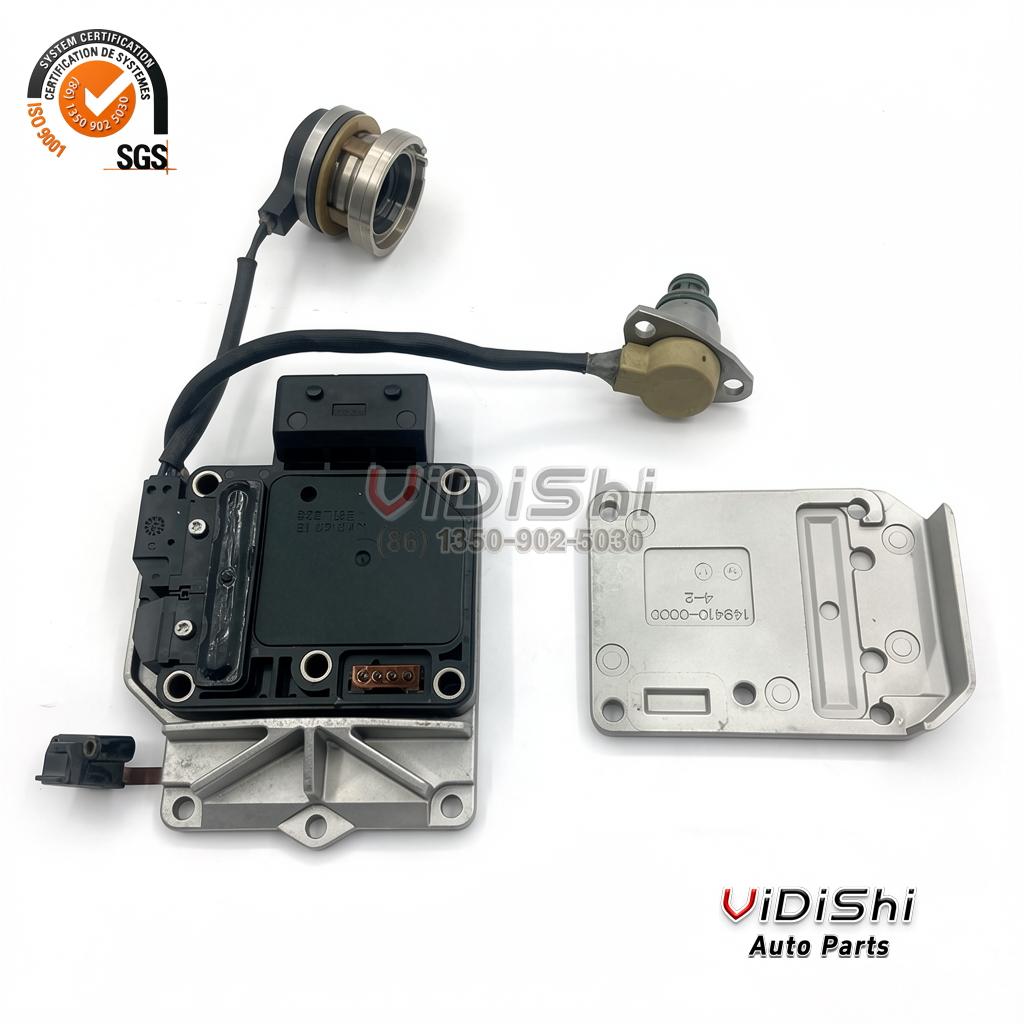
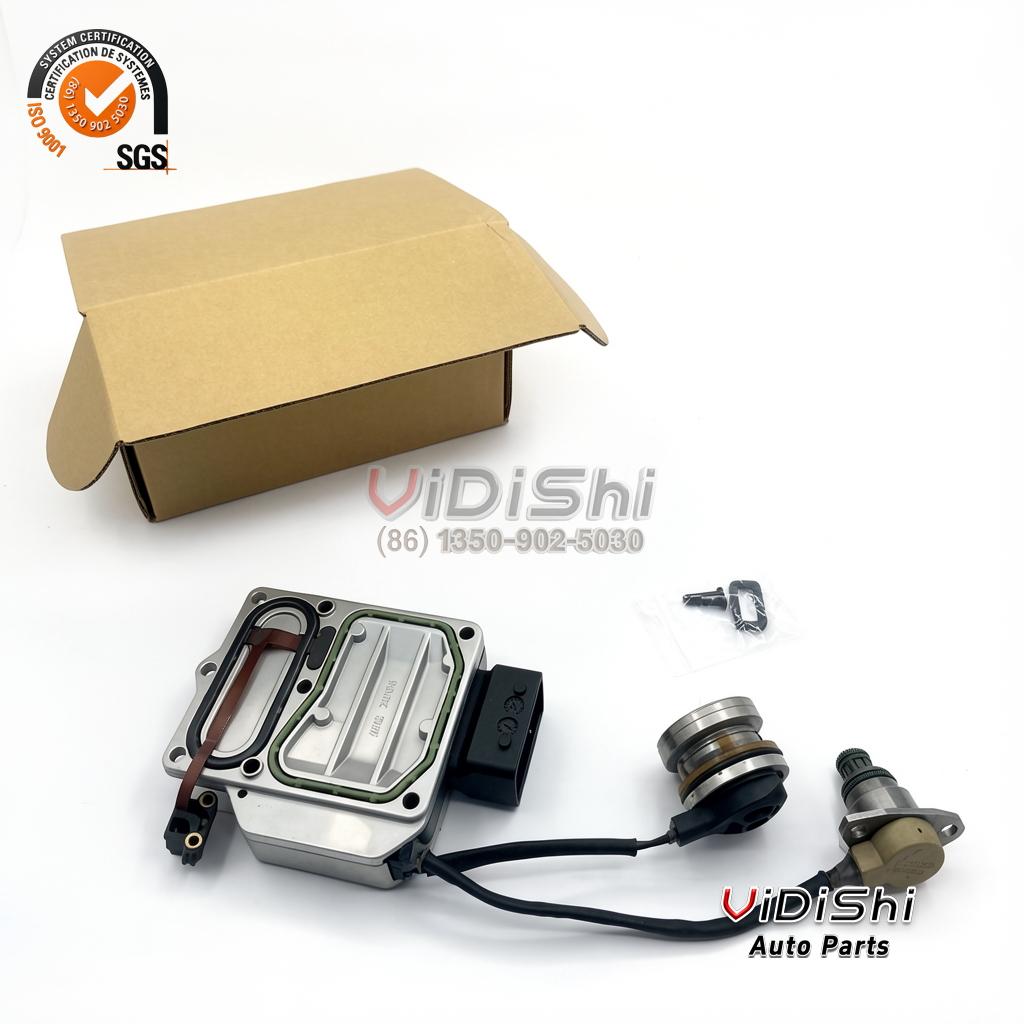
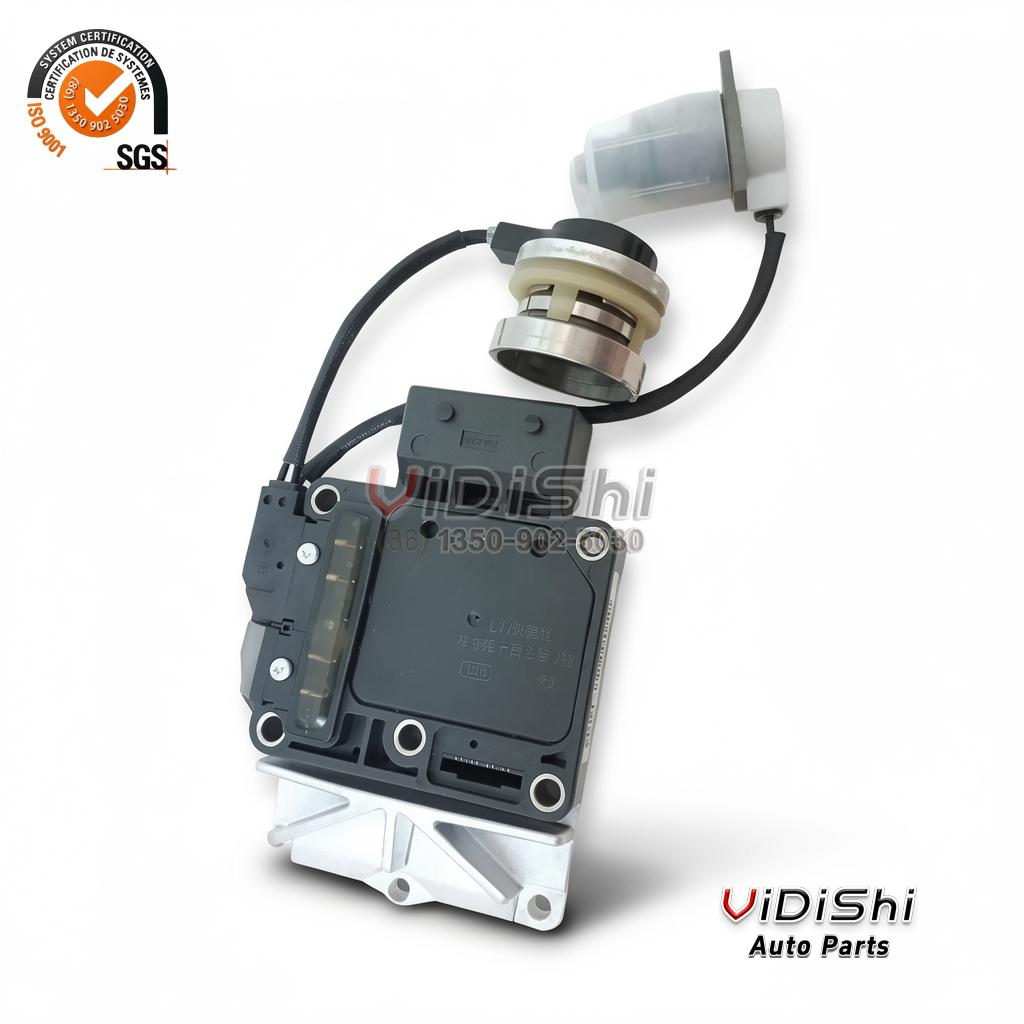
| Mounting | Module mounted on the pump via its cast bracket, with a multi-pin connector block, a red flex ribbon cable, a green perimeter gasket and a separate cast cover plate (Confirmed) |
| Injection system | Bosch VP44 distributor pump with electronic diesel control |
| Applications | Nissan Patrol (Y61) 3.0 Di, engine code ZD30DDTi; Isuzu 4JH1 3.0D light truck application |
| Catalogue fuel type | Diesel (Reference) |
| Condition | New — Vidishi Auto compatible replacement |
| Supplied brand | Vidishi Auto — a compatible replacement part, not Bosch-branded |
| Minimum order quantity | 1 pc |
| Warranty | 12 months against manufacturing defects |
| Single package size | 40 × 30 × 30 cm |
| Single gross weight | 3.000 kg |
| Core return | Not required with our supply |
| Calibration or coding data held in the module | Not published — whether a replacement has to be matched to the vehicle before it will run is not asserted on this page either |
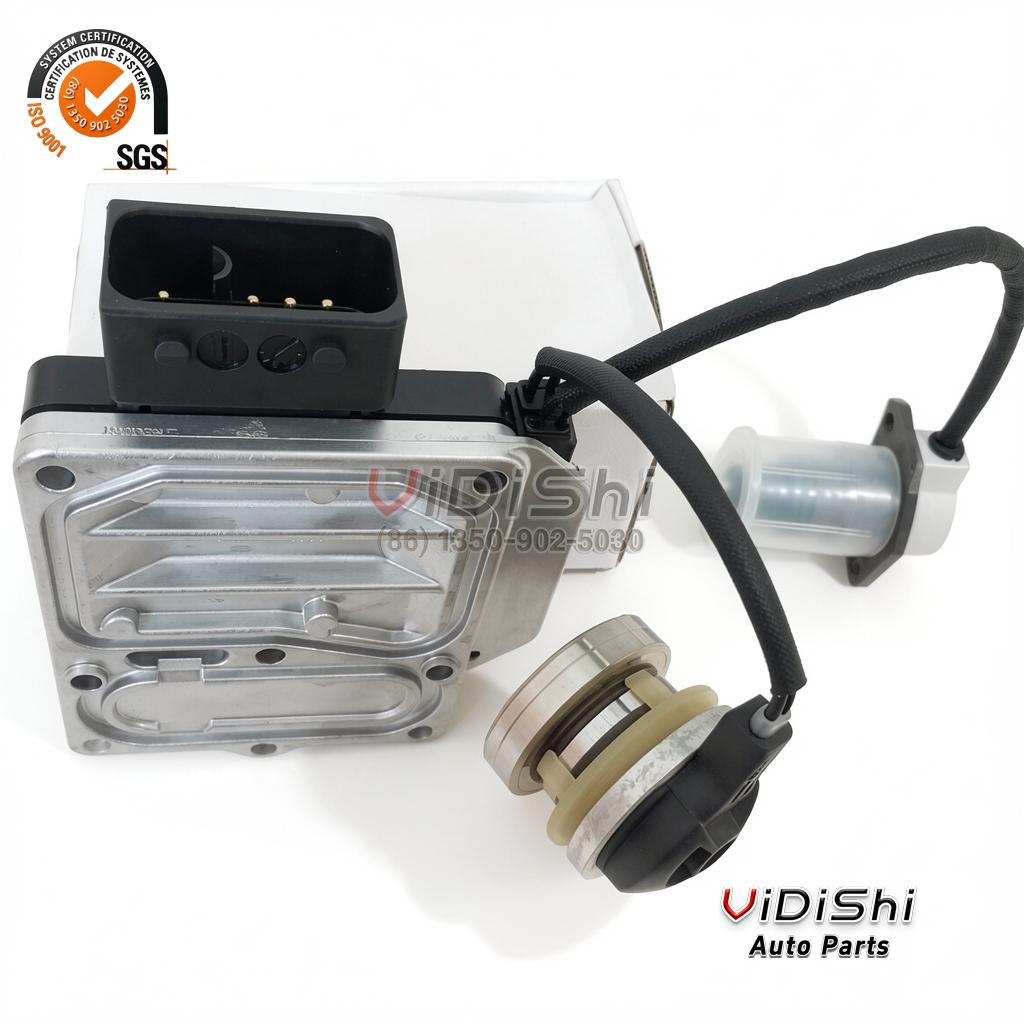
| Pin-out and connector cavity assignment | Not published — the connector format and the terminal count can be compared against the photography on this page, but the function behind each cavity is not released |
| Operating voltage range and current draw | Not published — no electrical figure for this module that we can stand behind on any source we are able to cite |
| Internal software and hardware version numbers | Not published — not released to the open market by any source we cite, and not readable from the goods off the vehicle |
| The number moulded on a factory-original module | Not published — the supplied photography shows the stock casting marks on our goods rather than a factory label |
| Bare module net weight | Not published — only the packed gross weight of one boxed unit is given, because that is the figure we actually weigh |
| Interchange against any other 1 467 number | Not published — 1467045031 is the single assembly number asserted for this module anywhere on this page |
| Part number of the VP44 pump body | Not published — the pump carries its own number, sits outside this listing and travels as a line of its own |
| Part number of the valve, the ring coupling and the rotation angle sensor as separate items | Not published — the module commands and reads them, and neither part sits inside what we ship as a loose line |
| Nissan or Isuzu OEM pump numbers | Not published — the vehicle-maker pump numbers are carried by parts catalogues we do not resell, so we leave the column empty rather than copy one in |
| Exact quantity of fasteners and seals in each shipment | Not published — what appears in this listing is what travels with our stock, and no count beyond that is promised |
| Production date, batch or serial number | Not published — none of the three resolves to a catalogue number carried on the goods themselves |
| Torque figures for the module fasteners | Not published — that figure belongs to the vehicle service manual rather than to the module as supplied |
How we label data. Confirmed means a value read directly from the goods we handle, including the housing and bracket, the connector block, the flex ribbon cable, the mounting face with its perimeter gasket and the cast cover plate. Reference means a Bosch or vehicle-side number quoted so your paperwork can be matched, and carrying no claim about origin. Not published means the field is left blank on purpose — a coding figure or a terminal assignment that we cannot source would be worse than an empty cell, because someone would act on it.
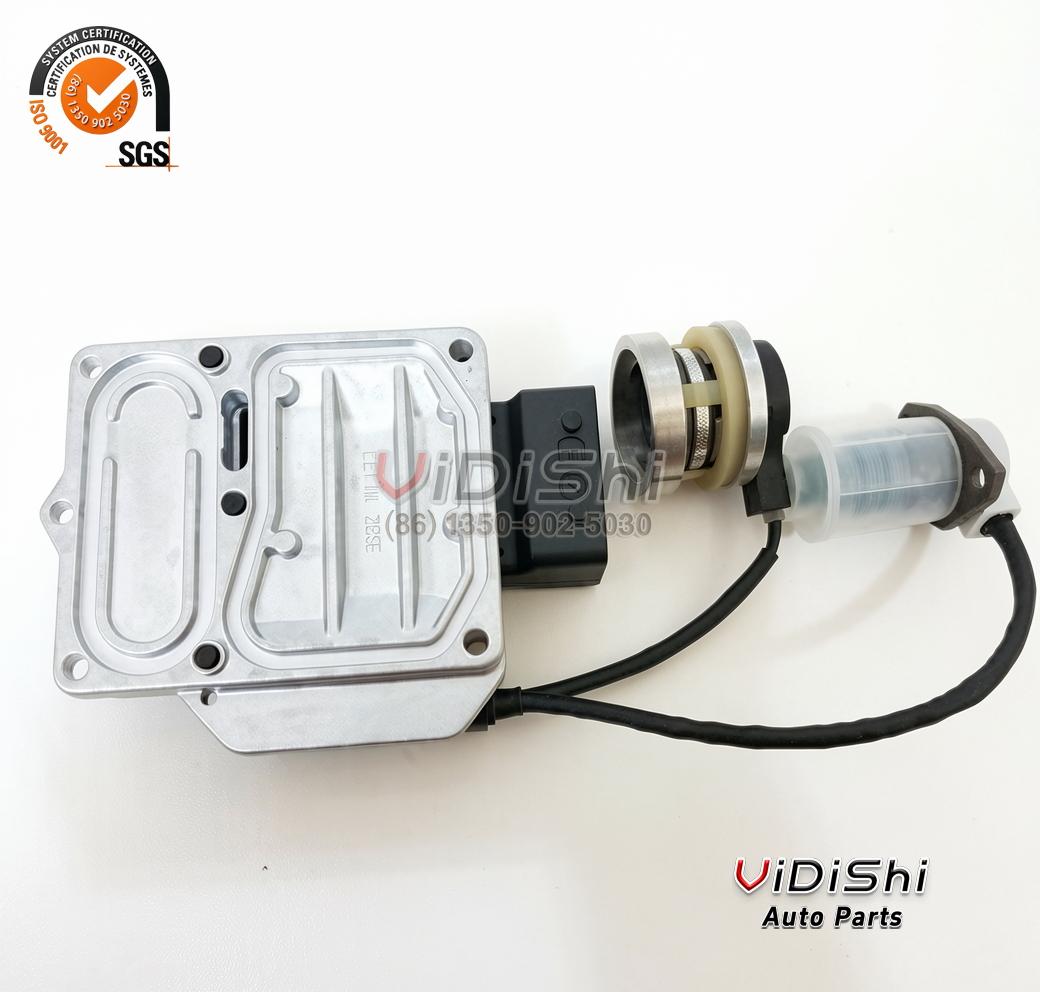
What is in the box. One electronic fuel pump control unit: the module in its cast housing on its bracket, with the multi-pin connector block, the red flex ribbon cable that links it to the pump, the braided wiring loom, the green perimeter gasket, the separate cast cover plate, the ring timer coupling and the flanged pump rotation angle sensor on the loom, with fasteners and a rubber grommet. The VP44 pump body itself is not included, and no injector, nozzle or high-pressure pipe is included. Nothing on this page is sold loose from the module, and the pump is a separate assembly with its own number and its own line.
Cross reference and how to read it
The numbers that resolve to this module and the pumps it sits on, and what each one is. This is a map of one unit, not a list of interchangeable parts.
| 1467045031 | Bosch assembly number (this control unit) |
| 1 467 045 031 | Bosch number in grouped form (Reference) |
| 0281010888 | Module number cross-listed by repair specialists (Reference) |
| 0 281 010 888 | the same module number in grouped form (Reference) |
| 0470504026 | Bosch VP44 parent pump, Isuzu 4JH1 3.0D application (Reference) |
| 0470504029 | Bosch VP44 pump for the Patrol 3.0 Di application (Reference) |
| 0470504037 | Bosch VP44 injection pump in the Isuzu D-MAX 3.0 listing (Reference) |
Read the table from the top. 1467045031 is the assembly number and it is the one that matters on the ordering side: it is what parts suppliers carry for the PSG5 module on these applications, and it is what you will find quoted against the unit you are taking off. The grouped form 1 467 045 031 is the same number written with spaces, which is worth knowing because a parts system will match one and not the other, and because a hand-written stock tag may carry either. If your paperwork shows the grouped form, it is the same module.
The module and pump rows are the second half of the mapping. 0281010888 is the module number that repair specialists list when they test and rebuild this electronics family, cross-listed against the Patrol 3.0 Di, and 0470504026, 0470504029 and 0470504037 are the parent pump numbers recorded across the applications in the fitment section, so a job card carrying any of those pump numbers should resolve to this control unit. Treat those as cross-reference entries, not a statement that the numbers were assigned by the same company or that the parts are freely swapped between pumps. They exist so that one buyer holding an assembly number and another holding a pump number can be told, in a single line, which module the pump takes.
What the table deliberately does not do is extend itself. It does not say that a neighbouring 1 467 or 0 281 number fits, that a module from a different application substitutes, or that the pump is common across the range. Those are exactly the assumptions that turn a cheap order into an expensive week, and we would rather leave a cell empty than fill it with a guess. If you are holding a number that is not on this list, send it to us with the engine plate and we tell you what it is and whether it is this module. As a pump control unit cross reference the table is a boundary as much as a bridge, and that is the point of it.
Built as a pump ECU, supplied as a service part
What this module gives a workshop that ordering a pump would not.
Electronic module, not a pump
The unit is the control module that mounts on the pump: it drives the valve that sets injected quantity and reads the sensor that times injection. It is not the pump body, and the pump is a separate assembly with its own number.
New, not an exchange unit
A new compatible module rather than a reconditioned core, so there is no core return, no core charge and no wait for an old module to be accepted before a replacement ships.
One-piece minimum order
Supplied from a single unit, so a diagnostic swap on one vehicle can be covered without buying a set or holding stock for a fleet.
Published applications
The Nissan Patrol (Y61) 3.0 Di with the ZD30DDTi engine and the Isuzu 4JH1 3.0D application are stated plainly, so the fitment check starts from a known answer rather than a guess.
Perimeter gasket fitted as supplied
The green gasket sits in the channel of the housing as supplied, and a fresh one goes on at every refit rather than the old one being reused.
Multi-pin connector and flex cable
The module is linked to the pump by a moulded multi-pin connector block and a red flex ribbon cable, both shown in the supplied photography.
No claim about coding
Unlike a common rail injector, this module is not offered with a per-unit calibration code, and we do not assert that a replacement needs no matching. Coding is a fitment question to settle with your own data before the order.
Correct by number, not by guess
The part is matched on the assembly number, the engine plate and the stored fault codes, which is what keeps a module fault from being billed as a pump.
The commercial difference is easy to state. A VP44 pump is a substantial assembly, and replacing one on a suspicion is how a no-start becomes a very large invoice. The module is the smaller half of the same circuit and, on this pump family, the half that fails more often, because it is the part carrying the electronics and the connector runs. Confirming the fault with the stored codes and live data, and then replacing the module, is the sequence that keeps the cost of the repair proportionate to its cause. The pump stays where it belongs — on the vehicle — unless the data says otherwise.
Signs of a failing pump control unit
What a workshop sees on this pump family. The fault is only confirmed afterwards, with the codes and live data together.
- An engine that cuts out and will not restartThe classic module failure. The vehicle stops as though the key were turned off, cranks without firing, and no amount of throttle changes it.
- 73P3 and P1600, pump communication lineCodes recorded against this module when the pump and the engine management stop talking to each other.
- 76P6, spill valveThe code recorded against the metering valve the module drives. It points at the same circuit and is read together with the module codes.
- P0076 and P1690, pump control moduleThe neighbouring codes recorded against the module itself. They narrow the circuit, they do not on their own prove which component has failed.
- A loss of power under loadWhere the module is failing but has not yet died, delivered quantity falls short of what is asked for and the vehicle feels flat exactly when it is worked hard.
- A limp mode that keeps returningBecause the cause is electronic rather than a service item, clearing the code buys time rather than a repair, and the same fault returns once the conditions repeat.
Read the list as a set of electrical symptoms rather than a diagnosis, because every item on it has at least one other possible cause. A tired pump produces the same no-start and the same loss of power. A chafed harness, a corroded connector pin or a damaged flex ribbon cable will produce the same codes. What separates them is measurement: the stored codes read properly rather than skimmed, live data for pump timing and quantity, and a look at the connector block and the harness while the engine is running. A module on its way out usually fails outright or throws intermittent codes that return; a pump that has given up simply cannot deliver. Confirm which one you have before a part is ordered, because the two cost very different amounts.
Two more practical notes. If the vehicle has recently had work on the pump or the fuel system, look at that first: a connector not fully latched, a pin pushed back in its cavity or a pinched ribbon cable will produce exactly the symptoms above, and none of them needs a new module. And on these engines a misfire code is not evidence of a module fault; the two are linked through the pump, but the diagnosis runs from the codes and from live data, not from the misfire. A pump control unit fault on this family is proved with a scan tool and a wiring check, and that is where a sensible workshop starts.
Fitting a pump control unit on a VP44 pump
A short, practical sequence for workshops replacing this module. Look at the images alongside the steps — the unit as supplied is the second photo in this section.
- 1. Release the pressure and disconnect the batteryDepressurise the fuel system and isolate the electrical supply before anything is opened. A diesel pump circuit holds pressure after the engine stops, and the module sits directly above fuel connections.
- 2. Clean the top of the pumpWash the pump and the area around the module and blow it down before a fastener comes out. Grit that falls into the pump or onto the mounting face is the fastest way to spoil a replacement module.
- 3. Photograph the connector runsTake a picture of the connector block, the ribbon cable and the harness routing before anything is unplugged. Photographs cost nothing and they are the only reliable record of where each run went.
- 4. Remove the module fastenersTake the fasteners out evenly and lift the module square off the pump. Do not lever it, and do not pull on the flex ribbon cable or the braided runs. Keep the fasteners with the vehicle they came from.
- 5. Inspect the mounting face and its channelCheck the housing face and the gasket channel for corrosion, old seal residue or distortion. The gasket is a sealing face, and a channel that will not seal is a leak that no amount of correct fitting will cure.
- 6. Renew the perimeter gasketFit the sealing ring fresh rather than reusing the one that came off, and seat it evenly in its channel with no twist and no overlap. A reused gasket on this joint is the most common cause of trouble after a module swap.
- 7. Refit square and tighten evenlyDrop the module onto the pump square, start the fasteners by hand so nothing cross-threads, then tighten them evenly. The torque figure belongs to the vehicle, not to the module.
- 8. Verify with the codes and live dataClear the stored codes, run the engine, and read the running values against demand before the vehicle goes back on the road. No code returning immediately is not the same as a circuit that behaves.
Most of the risk in this job sits either side of the module itself. Before it goes on, cleanliness and the perimeter gasket decide whether the joint seals. After it goes on, the codes and a live-data check decide whether it runs right. Neither is difficult and both get skipped under time pressure. The wider routine around a diesel pump job is in the installation guide, and the service intervals that keep an injection system healthy are in the maintenance guide. If you would rather talk the job through before you start, put the question to us first.
Two notes for workshops. A pump control unit replacement starts with an electrical check as much as a mechanical one: a damaged connector pin or a chafed harness will kill a new module as surely as a bad fit. And look at the pump itself while you are in there, because a module that has been working against a worn pump element is being asked to cover for a fault that is not its own. Beyond that the job is standard: correct isolation, correct tightening, a fresh gasket, and a check that proves the result. None of it is specific to this number, and all of it is what keeps a VP44 vehicle starting properly after a module swap.
Warranty and after-sales cover
What we stand behind on a pump control unit, and what is outside the cover.
Every 1467045031 module is covered by a 12-month warranty against manufacturing defects. That covers a unit that arrives out of specification or fails early because of how it was made. It does not cover damage from contaminated fuel, from incorrect fitting, from a reused perimeter gasket, from a damaged connector or harness, or from a separate fault elsewhere in the diesel fuel system. It is a supplier warranty from Vidishi Auto and it is neither a Bosch warranty nor a vehicle-maker warranty — we are not a distributor for either and no cover from either travels with this part.
If a module is suspected faulty, send us the order reference, the number read off the unit you removed, and the stored codes with your live data. We confirm the next step against our warranty terms and the returns process.
The cover sits at unit level. It applies to the module as supplied, and it does not extend to the pump it was fitted to, to the engine, to labour, or to another component damaged when a faulty module was run on. That boundary is normal for an electronic part, and it is worth stating before the order rather than after a problem.
Two questions buyers ask. The 1467045031 warranty starts from delivery rather than from fitting, so a module held on the shelf for a season is still covered for the stated term from the date it reached you. And because there is no core return with our supply, the warranty is not tied to an exchange claim: the old module stays yours, and what you do with it has no effect on the cover on the new one. If you keep a known-good unit for diagnostic swaps and it is still in its packaging when it eventually goes on a vehicle, the cover is unaffected by the shelf time.
Wholesale supply for workshops and distributors
A pump control unit is bought by the job rather than the pallet, so this line starts at one piece and scales from there.
The minimum order is 1 pc, which is deliberate. This is a diagnostic part: a workshop that suspects one keeps a known-good module on the shelf to prove the fault before it quotes a customer for anything, and forcing a set on that workshop would be poor service. From there the line scales normally — a diesel pump specialist will take several at a time, and a parts distributor will take them alongside the rest of a fuel system order on one set of export documents.
We act as a parts supplier for export and we build this line ourselves as the manufacturer behind the Vidishi Auto brand. Pricing on this line is quoted per order rather than published as a fixed figure, because it moves with quantity and with what else is on the same shipment, which is how wholesale pricing normally works on diesel parts. Mixed orders are normal on our side and are not a special request: put the module alongside gaskets, filters or the other lines you already buy and it travels on the same paperwork.
For trade buyers, one practical point about this family: because there is no core return and no core charge, your procurement does not carry a returns loop on top of the order itself. That is the part of buying a rebuilt or exchange unit that usually costs the most administration, and it disappears when the part is new rather than reconditioned. If you need the number matched against a vehicle list before you commit, send the list with the engines and we work through it with you rather than asking you to take the fitment on trust.
Packaging, shipping and lead time
How a single module is packed, and what to expect on an export order.
| Single package size | 40 × 30 × 30 cm |
| Single gross weight | 3.000 kg |
| Minimum order | 1 pc |
| Protection | Module cushioned, connector block and flex cable protected during carriage, boxed singly, dust-free |
| Freight modes | Courier, air and sea |
| Documentation | Commercial invoice, packing list, HS code |
| Core return | Not required |
The dimensions above are the packed export figures for a single unit. We do not list a bare module size or a bare net weight, because no source we can trust gives one for this part, and a specification table padded with approximations helps nobody. Lead time is quoted per order and depends on quantity and on what else is on the same shipment. For export shipping, every order leaves with its paperwork in place — commercial invoice, packing list and HS code. Read our shipping information for freight options, and track your order once it ships.
Quality checks before a module leaves us
How the 1467045031 is treated before it is packed for export.
An electronic module is a small part with a disproportionate effect on whether a vehicle starts, so this line is checked at unit level rather than by sample. Every batch passes an incoming check for the assembly number and the connector format, a housing and mounting-face inspection, a confirm that the perimeter gasket is fitted as supplied, and a packed-weight confirmation against the documented figure. The supplier states ISO 9001 production, which appears on the supplied photography and is recorded here as a supplier statement rather than as a certificate we issue. Rather than publish reviews we cannot verify, we tell you how the part is inspected and let your own scan tool be the judge.
1467045031 FAQ
The questions buyers ask most about this module and the number it carries.
Is 1467045031 a genuine Bosch part?
No. The 1467045031 we supply is a Vidishi Auto compatible replacement. It is not a genuine Bosch part, not a dealer-boxed part and not a genuine part of Nissan or Isuzu. We quote the Bosch assembly number, the module number and the parent pump numbers so you can match the unit you are removing, and we say plainly what we ship before the order is placed. If you specifically need a Bosch-boxed unit, that comes through the Bosch network rather than from us.
What exactly is 1467045031?
It is the electronic control unit that mounts on top of the Bosch VP44 distributor pump, catalogued in the PSG5 control unit family. In the trade the same module is called a fuel pump control unit, a pump ECU, a diesel pump ECU or an EDC unit. It drives the valve that sets injected quantity and it reads the pump sensor that reports shaft rotation angle. It is not the pump, and it is not an injector. The same unit is written 1 467 045 031 in grouped form.
What does 1467045031 fit?
The published applications are the Nissan Patrol (Y61) 3.0 Di with the ZD30DDTi engine, and the Isuzu 4JH1 3.0D as used in light truck applications, both running the Bosch VP44 pump. The parent pumps recorded for these applications are 0470504026, 0470504029 and 0470504037, with the module number 0 281 010 888 cross-listed for the Patrol. Send us the engine plate and the number off the unit you are taking off and we confirm the match in writing before the order is invoiced.
Is 1467045031 the same as 0 281 010 888?
They are two numbers for the same job rather than two different units. 0 281 010 888, also written 0281010888, is the module number that repair specialists list against the Patrol 3.0 Di pump ECU, and 1467045031 is the control unit assembly number that parts suppliers list against the same pumps. Repair listings put both numbers on the same repair entry, and the parent pumps 0470504026, 0470504029 and 0470504037 sit behind them. If your paperwork carries any of those, they point at this one module.
Is this a common rail part?
No. This unit belongs to the Bosch VP44 distributor pump system with electronic diesel control, which works as a distributor-pump system rather than a common rail system. The two are different fuel systems on different vehicles. Everything on this page is about the VP44 and its PSG5 control unit, and common rail injectors and common rail nozzles are served by other pages on this site.
Is 1467045031 the injection pump itself?
No, and this is the mistake worth avoiding. The pump body is separate, with its own number. What we supply is the electronic module that mounts on the pump and runs it. The valve it commands and the rotation angle sensor it reads are part of the pump arrangement and carry their own numbers as well. If the diagnosis says the module is at fault you do not need a pump, and a module will not repair a worn pump.
Are all PSG5 control units interchangeable?
No. A PSG5 unit is not interchangeable across every VP44 application. The catalogue carries a separate entry for each vehicle family, and the module supplied for the Nissan Patrol 3.0 Di is a different catalogue entry from the one supplied for other makes. Match the number on the module you are removing rather than the family name, and confirm the engine plate and the pump number with it before the order.
Can a faulty pump control unit be repaired instead of replaced?
Rebuilding these modules has become an established trade service and we say so plainly. What we supply is a new compatible unit rather than a repair, so a buyer who wants their original module rebuilt rather than replaced is better served by a specialist rebuild house. We do not offer a rebuild service and we do not take cores back.
What are the symptoms of a failing pump control unit?
The codes recorded against this module on the Patrol 3.0 Di are 73P3 and P1600 for the pump communication line, 76P6 for the spill valve, P0076, and P1690 for the pump control module. From the driver’s seat that shows up as an engine that cuts out and will not restart, a loss of power under load, an unstable idle and a limp mode that returns after it is cleared. Because a tired pump gives similar symptoms, the module is confirmed with live data rather than by code alone.
How do I identify the correct unit before ordering?
The identification of this part comes down to three things on the vehicle rather than to any chart. Read the number off the module you are removing, photograph the engine plate, and note the fault codes stored in the engine management. Send those three and we confirm the match against what we supply. On these applications the ZD30DDTi and 4JH1 engines are the codes to check, and the parent pump numbers 0470504026, 0470504029 and 0470504037 corroborate the match.
How many do I have to order, and what is the minimum order?
The minimum order is 1 pc, so a single vehicle can be covered without buying a set. There is no core return and no core charge with our supply, because we are selling a new compatible unit rather than an exchange one. Larger quantities are quoted per order along with anything else on the same shipment, and we supply workshops, diesel pump specialists and parts distributors from the same line.
What is the lead time and how does it ship?
Lead time is quoted per order rather than promised as a fixed number of days, because it depends on the quantity and on the other lines travelling in the same shipment. Every order is packed as a single unit carton at 40×30×30 cm and 3.000 kg gross, and it ships by courier, air or sea with a commercial invoice, a packing list and HS code documentation. Ask for a delivery time against your destination and quantity and we put it in writing with the quotation.
Related pages
The pages around this module on one site — the fuel system range, the reference material behind the numbers, and the fault-finding pages that explain the circuit it works in.
Technical support and how to order
Send us the number off the old module and your engine plate and we confirm the part.
Support is not an add-on on this line — it is how most of these orders get placed correctly. It costs nothing before you buy: send the number read off the module you are removing, the vehicle identification and a photograph of the engine plate, and we check the whole set against what we supply before quoting. That last item is the one people skip, and it is the one that matters most here, because the same vehicle name was built with more than one engine and the pump changed with the engine. Support continues after delivery: codes, fitting questions and warranty claims all reach the same team, and the person who confirmed your fitment is the person who answers if something is not right.
Supplier note. WholesaleAutoPartsDirect is an independent supplier of compatible automotive parts and is not affiliated with, endorsed by or acting as an agent of Bosch, Nissan or Isuzu. Brand names and part numbers are used for reference and fitment only.
Reviews