
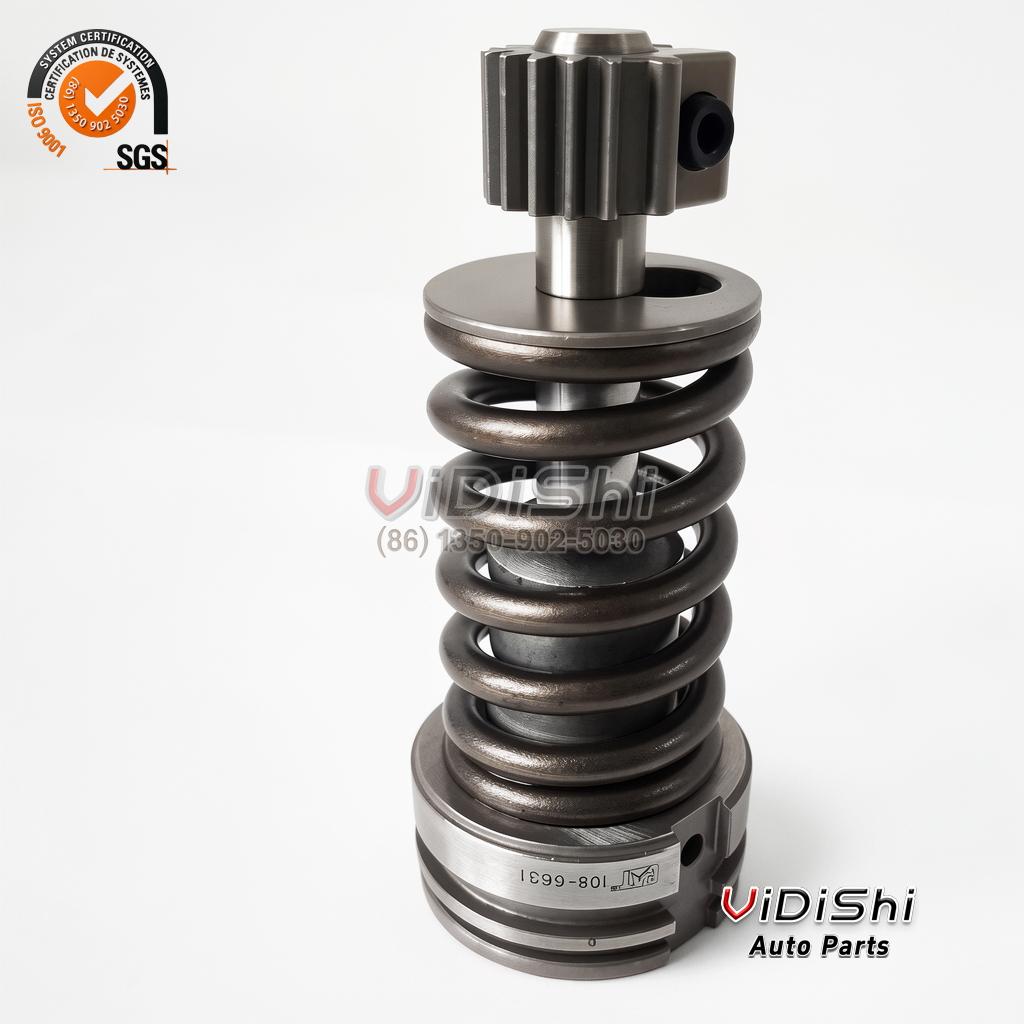
1086631 Fuel Injection Pump Pumping Element for Caterpillar 3406
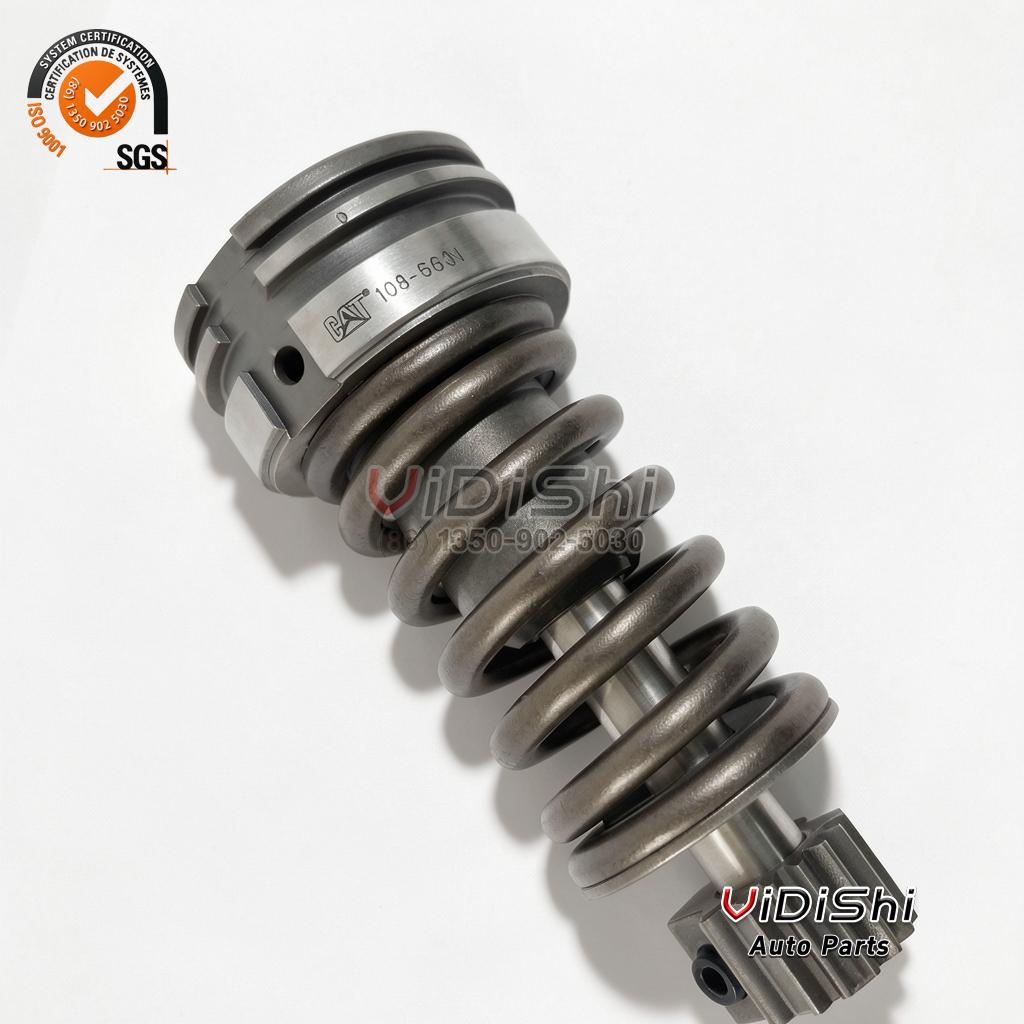
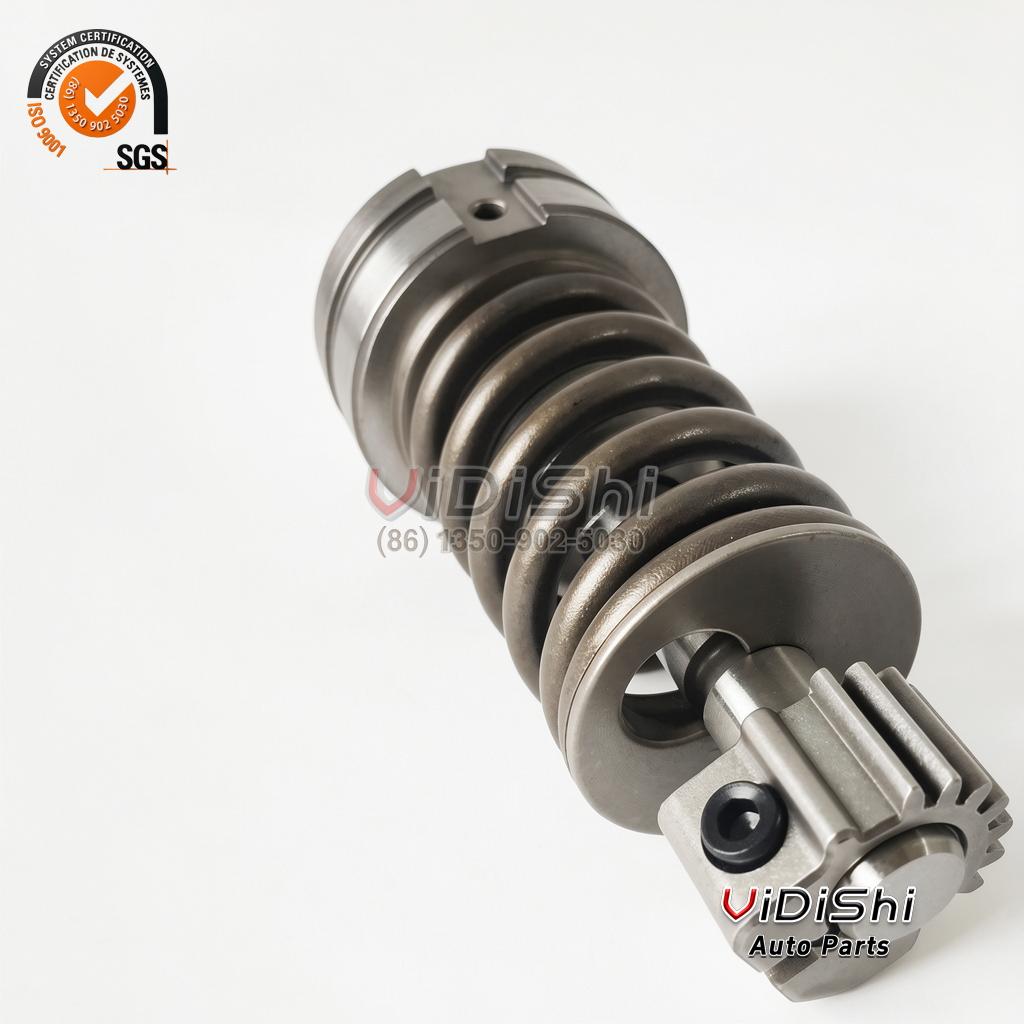
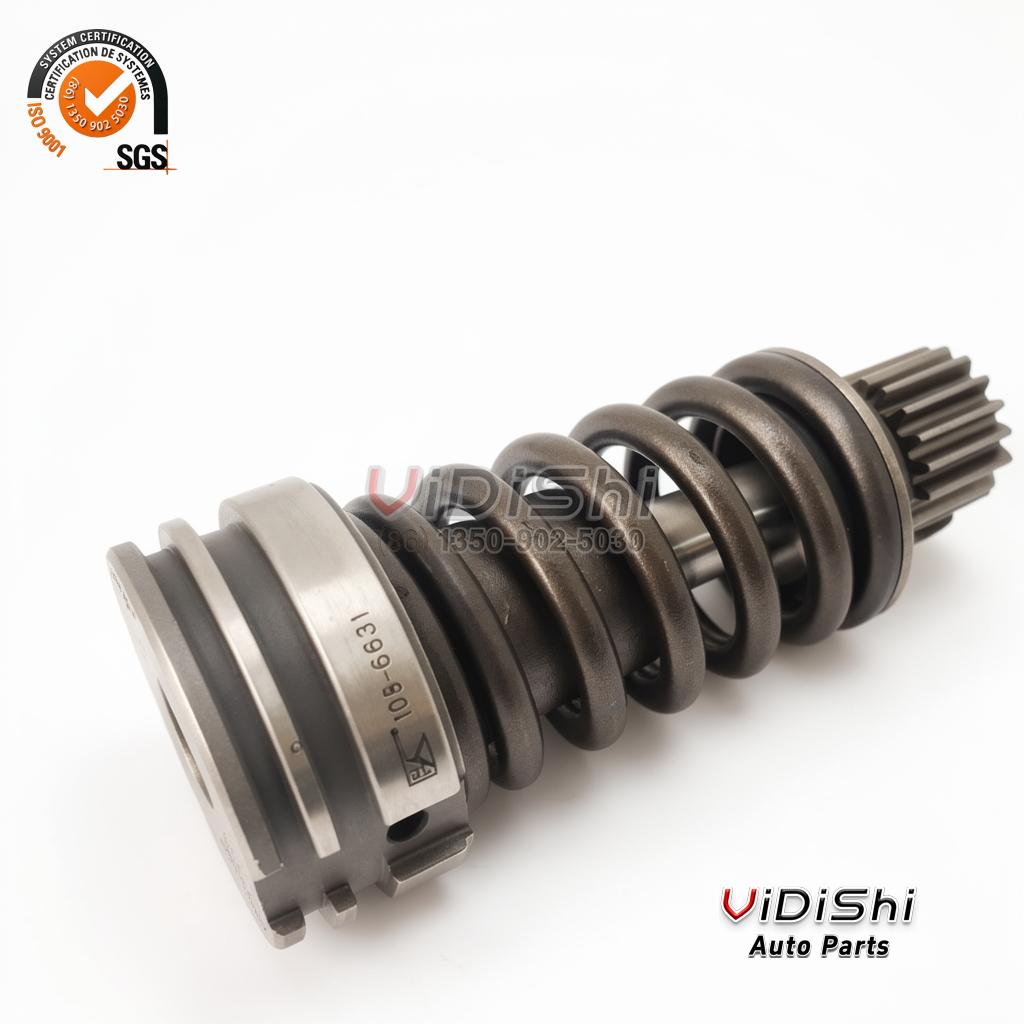
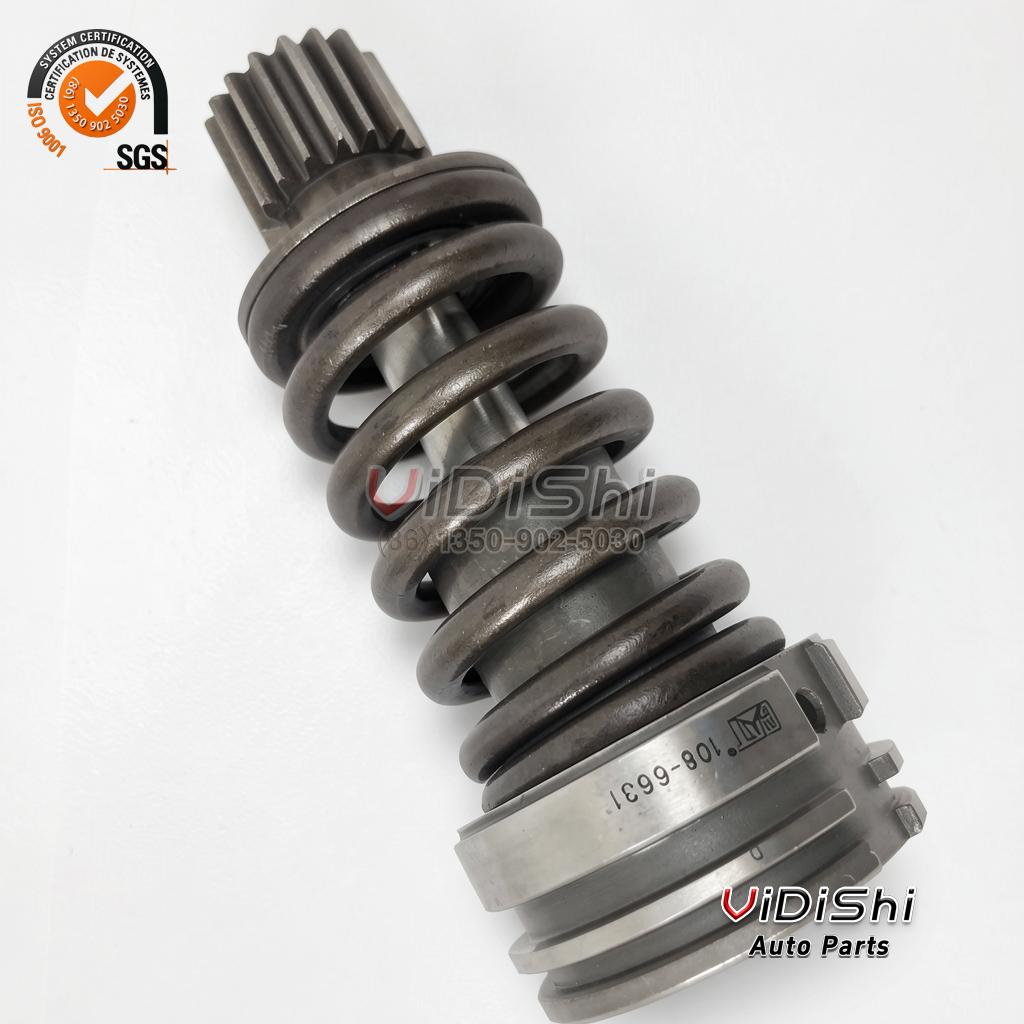
New 108-6631 pumping element for the Caterpillar 3406, 3406B, 3406C and 3412 mechanical injection pump. Plunger, matched sleeve, return spring, spring seat washer and splined drive end as one service part. OE cross reference 2W-3414; further published replacements 20R-5290 and 419-4744. The 3406E and 3412E run electronic unit injection and are excluded. A component, not a complete injection pump: no body, cam, governor, feed pump or delivery valve is included. Plunger diameter and material specification are not published for this number. A Vidishi Auto compatible replacement, not a Caterpillar-branded part, with a 12-month warranty against manufacturing defects. Single package 20x12x8 cm and 0.7 kg gross are packing estimates. MOQ 6 pcs.
$40.00
100% Secure Checkout
Free Shipping Over $1099
Customer Satisfaction
International Shipping
Product Specifications
| Weight | 0.7 kg |
|---|---|
| Dimensions | 20 × 12 × 8 cm |
| make | |
| model | |
| engine | 3406B, 3406C, 3406E and 3412E excluded (electronic unit injection), 3412 mechanical direct injection diesel, Caterpillar 3406 |
| position |
Product Details
Supply highlights
The commercial numbers that decide the order, for an element supplied new from a six-piece minimum with no core return.
Fitment verification in four steps
The application is published for this element, so the check is quicker than on a part with no fitment data — but on an element it is also more exacting, because the number has to be right and not merely close.
| Step | What to look at | What it proves |
|---|---|---|
| 1. Read the number on the old element | The stamped band around the sleeve | Confirms the part: 108-6631 on the element itself |
| 2. Check the toothed drive end | The ring of axial teeth at that end | Confirms the same element, not a neighbouring number |
| 3. Photograph the engine code plate | The plate on the engine or in the machine records | Rules the 3406E and 3412E versions in or out |
| 4. Send the pump tag | The tag on the injection pump housing | Confirms which pump the element came out of |
The applications published against 108-6631 are the machines built around the 3406, 3406B, 3406C and 3412 mechanical diesel engines. Catalogues carry the element across that equipment set: wheel loaders, motor graders, pipelayers, wheel tractor-scrapers, landfill compactors, excavators, soil stabilisers, generator sets, marine installations and articulated dump trucks. Those attributions are catalogue data rather than build records, so we hold them as reference and confirm each one against the plate. On a machine running one of these engines, this is the diesel injection pump element the pump was built with, and an order that starts from the number on the element coming off is the one that arrives correct.
What the published application covers, what it excludes, and the one marking to read. The Engine application published for this element is the 3406, 3406B, 3406C and 3412 mechanical diesel set. The Excluded versions are the 3406E and 3412E, which run electronic unit injection and carry no element of this form. The one identification point that settles every other question is the Marking on the part — the number stamped on the polished band around the sleeve. Read it before anything else.
Why the removed element matters more than the model list. The 3406 family ran for more than thirty years across ratings, emission revisions and control arrangements, and 3412 pumps came in V-type form carrying their own element dimensions. Two machines holding the same model badge can take different elements, and a pump rebuilt at a different time can hold a different element again. The number stamped on the band is the ground truth: it carries the part identity and it survives long after the paperwork is gone. Match that, check the drive end, then order.
What this page is not claiming. We are not saying that any neighbouring number in the same family fits, that 108-6631 suits a 3406E or 3412E, that the published catalogue applications are covered without a plate check, or that an element from another engine family substitutes. Numbers either side of this one in the same catalogues describe different elements for different pump configurations, and we name none of them here because printing them invites an interchange we do not support. 108-6631 is the element for the cross-reference applications published against it, and 2W-3414 describes the same element on those machines.
What a pumping element does inside a mechanical injection pump
A plain-language look at the part, the numbers on it, and why it is so often mistaken for something much larger.
Inside a mechanically governed diesel injection pump, low-pressure fuel arrives from the transfer pump and fills the chamber under each element. A cam lobe inside the housing presses on its cam follower, and that follower pushes the element upward, and the rising plunger closes the chamber and forces fuel up a single delivery line to the matching injector. The return spring then pushes the plunger back down and the cycle repeats, thousands of times an hour, for as long as the engine runs. That is the whole job: one element makes pressure for one cylinder, over and over, and the pump is a set of these plus a cam, a drive and a governor.
The precision involved is what makes the element a service item rather than a commodity. The clearance between the plunger and its matched sleeve has to hold fuel at injection pressure and still let the fuel back out again on the down stroke. A clearance that opens up does not fail loudly; it bleeds pressure away, so the charge reaching the injector is smaller and the engine quietly loses the delivery it was calibrated to receive. The helix machined into the plunger is what meters the quantity, and the same surface has to stay smooth enough not to wear into a groove. This is why elements are replaced in matched sets rather than one at a time, and why a part number matters more here than a measurement.
The naming is where most ordering mistakes start, and it starts with a word that means a bigger thing than this one.
A buyer searching fuel injection pump is looking for the whole machine, and the listing they land on will be one. The identical thing happens with diesel injection pump, and with the shorthand pump that both of those collapse into once the fuel and the engine type are dropped. All three name a complete machine rather than the element inside one, which is the gap this page exists to close. Parts catalogues call this same part by several names — pumping element, plunger and sleeve assembly, plunger group — and the equipment maker’s own literature uses a fourth term for the matched cylinder the plunger runs in. All of them describe the assembly on this page. None of them describes a complete pump, and a buyer who orders on the strength of a catalogue headline can end up with one element and no pump, or with a pump they did not need. The number settles it: 108-6631 is the element.
Which engine version matters just as much as which number. The 3406B and 3406C run mechanical direct injection, with a cam-driven element per cylinder inside the pump. The 3406E, and the 3412E alongside it, moved to electronic unit injection: there is no separate element in the pump at all, because each injector contains its own plunger driven by high-pressure engine oil through an intensifier piston. A catalogue row that lists a 3406E against an element number is describing a different fuel system, not a different fitment. That is why this page names the exclusion in plain words instead of leaving it out.
Where our supply differs is what arrives, and on a part this small that is worth being precise about. The equipment maker and the pump houses supply this element through their own channels, and a buyer who needs a dealer-boxed part does need to go there. What we supply is a pumping element replacement — a new compatible part for the same job, sold under the Vidishi Auto brand, carrying the same number, at a six-piece minimum with no core return. Nothing has to come back, there is no exchange loop to manage, and the old element stays with you for the failure file or the parts shelf.
One thing we do not do is dress that up. The element we ship is ours, not Caterpillar’s and not a pump house’s. The Caterpillar number, the 2W-3414 cross reference and the machine applications sit on this page so you can match the element you are replacing; they are references for fitment, not a claim about who made the part. The glossary explains the terminology if any of the names above are unfamiliar, and the comparison charts pages carry reference material for part number families.
108-6631 specifications
Confirmed values first, then the parameters we deliberately mark as not published rather than guess. The second table is long on purpose: on an element this small, most of the figures a buyer might ask for are either held in pump calibration data or genuinely in dispute between sources, and saying so is more useful than printing an approximation.
| Caterpillar part number | 108-6631 (Confirmed — stamped on the polished band of the sleeve) |
| Part number, ungrouped | 1086631 (the same number written without the hyphen) |
| OE cross reference | 2W-3414 · 2W3414 (Reference) |
| Further published replacements | 20R-5290 · 419-4744 (Reference) |
| Part type | Fuel injection pump pumping element, plunger with matched sleeve, supplied as one service part |
| Component group | Plunger, its paired cylinder, return spring, spring seat washer, splined drive end |
| Not supplied with this number | Pump body, cam and followers, drive gear, governor, feed pump, delivery valve and holder, pump gasket and mount kit |
| Injection system | Mechanical direct injection, in-line and V-type pumps |
| Engine application | 3406, 3406B, 3406C and 3412 (Reference — published catalogue attribution) |
| Engine versions excluded | 3406E and 3412E — electronic unit injection, no discrete element of this form |
| Cylinders served | One element per cylinder; a six-cylinder mechanical pump takes six |
| Drive end | Splined, with a ring of axial teeth and a black oil port in the flank (Confirmed) |
| Plunger diameter | Not published — the published sources we can stand behind disagree, and we will not pick one |
| Return spring | Steel coil spring on a flat seat washer; free length and spring rate not published |
| Marking on the part | 108-6631 stamped on the polished band, with a small boxed maker mark beside it (Confirmed) |
| Net part reference size | 55 × 55 × 150 mm and 0.49 kg (single catalogue reference, not an OEM figure) |
| Single package size | 20 × 12 × 8 cm (packing estimate, not a published figure) |
| Single gross weight | 0.7 kg (estimated figure) |
| Condition | New — Vidishi Auto compatible replacement |
| Supplied brand | Vidishi Auto — a compatible replacement part, not Caterpillar-branded |
| Minimum order quantity | 6 pcs |
| Warranty | 12 months against manufacturing defects |
| Core return | Not required with our supply |
| Plunger diameter for 108-6631 | Not published — the published sources we can stand behind give two different figures for this number, and we will not choose between two sources that disagree on a fitment dimension |
| Pre-stroke and port closure timing | Not published for this element number — the figures we found are given by engine model and pump type, not tied to this number |
| Injection timing for this element | Not published for this element number — confirmed against the pump tag and the bench calibration for the engine instead |
| Single helix or dual helix form | Not published for this number — the 3406 family was built with both forms and no source maps either to 108-6631, so confirm against the element coming off |
| Rated injection pressure | Not published per element — a pump calibration figure rather than an element figure |
| Delivery volume and spray data | Not published per element — measured on the bench for the engine, not printed on the part |
| Material grade and hardness | Withheld — no heat treatment, hardness or surface finish specification is released for this number |
| Spring free length and rate | Withheld — we do not print a figure we cannot source |
| EAN for this number | Withheld — no scannable product code is released against it by a source we can stand behind |
| Net part weight and size as an OEM figure | Not published — only a single retailer catalogue figure exists, shown above as reference |
| Meaning of the boxed maker mark | Observed marking only — the mark is recorded, its identity is not resolvable to a published number |
| Emissions-stage certification of the application | Withheld — confirm against the engine plate |
| Machine build records for the catalogued applications | Withheld — the applications are catalogue attributions, not installation records, and are confirmed against the plate |
How we label data. Confirmed means a value read directly from the goods we handle, including the stamped number band, the toothed drive end, the oil port and cross drilling, and the assembled length. Reference means a Caterpillar number, an OE cross reference or a published machine attribution quoted so your paperwork can be matched, and carrying no claim about origin. Not published means the field is left blank on purpose — a dimension or a material figure that we cannot source, or that sources dispute, would be worse than an empty cell, because it would end up in somebody’s parts order.
What is in the box. One pumping element, as supplied and as photographed: the plunger, its matched sleeve, the return spring, the spring seat washer and the splined drive end with its oil port. That is the whole delivery. The pump body, the cam and followers, the drive gear, the governor, the feed pump, the delivery valve and its holder, and the pump gasket and mount kit are all separate items with their own numbers, and none of them is sold with this element. If your pump needs more than the element, tell us before ordering and we will point you at the right line rather than have a part arrive that does not complete the job.
Cross reference and how to read it
The numbers that resolve to this element, and what each one is. This is a map of one part, not a list of interchangeable parts.
| 108-6631 | Caterpillar part number, stamped on the polished band of the sleeve (this part) |
| 1086631 | The same Caterpillar number, ungrouped |
| 2W-3414 | Published OE cross reference, current form (Reference) |
| 2W3414 | The same cross reference written without the hyphen |
| 20R-5290 | Published replacement number against this element (Reference) |
| 20R5290 | The same replacement number, ungrouped (Reference) |
| 419-4744 | Published replacement number against this element (Reference) |
| 4194744 | The same replacement number, ungrouped (Reference) |
Read the table from the top. 108-6631 is the Caterpillar number and it is the one that matters on the part itself: it is what the polished band on the sleeve carries, and it is what the parts catalogues list first. The ungrouped form, 1086631, is the same number written without the hyphen, and a parts system will match one form and not the other, which is worth knowing before a search box tells you a part does not exist. As a 108-6631 cross reference, the table is a boundary as much as a bridge.
The 2W-3414 row is the second half of the mapping, and it is the one buyers hit most often. Published cross-reference data gives 2W-3414, written 2W3414 without the hyphen, as the current-form number for the same element, and more than one independent catalogue states that the two are interchangeable outright. We hold that as a Reference: it tells you that a buyer holding one number and a buyer holding the other are asking for the same part, and it does not tell you who built the part in your hand. The 20R-5290 and 419-4744 rows are further replacement numbers published against the same element, carried on exactly the same footing.
What the table deliberately does not do is extend itself. It does not say that a neighbouring number fits, that the element suits a 3406E or 3412E, that a component number for the spring or the follower is settled, or that an element from another engine family substitutes. Those are exactly the assumptions that turn a cheap order into an expensive week of machine downtime, and we would rather leave the cell empty than fill it with a guess. If you are holding a number that is not on this list, send it to us with the engine plate and the pump tag, and we will tell you what it is and whether it is this element.
Built as a pumping element, supplied as a service part
What a matched element gives a workshop that ordering around the fault would not.
Complete element, ready to fit
One number carries the plunger, its matched sleeve, the return spring, the spring seat washer and the splined drive end, exactly as the pump takes it. No assembly, and no guessing which internal part the machine needs.
Number readable on arrival
The polished band carries the stamped part number and a boxed maker mark, so the match against your old element happens on the bench rather than at the engine.
Drive end you can check
Both features are visible in the supplied photographs, which is how you confirm you are fitting the element the pump was built with.
New, not an exchange element
A new compatible element rather than a reconditioned core, so there is no core return, no core charge and no wait for an old part to be accepted before a replacement ships.
Sets of six, matching the engine
The minimum order is one full set for a six-cylinder mechanical pump, which is how an element set is meant to be changed and how a spare engine stays covered.
Export packing that protects what matters
Each element is boxed with the drive end and the stamped band protected, because a bent tooth or a scratched band is what turns a cheap part into a second removal job.
Correct by number, drive end and plate
The part is matched on the stamped number, the tooth profile and the engine code plate, which is what keeps an element fault from being billed as a filter or injector fault.
Exclusions stated, not hidden
The 3406E and 3412E versions are named as excluded and the reason is given, so nobody discovers the mismatch after the element is on the bench.
The practical difference shows up on the test stand. When one cylinder’s delivery has drifted, the machine either runs on a compromised cylinder until something else breaks, or the workshop fits known-good elements and the fault disappears. Keeping a matched spare set — correct number, correct drive end, correct length — turns a two-week machine stop into a same-week swap. That is the case for holding these six pieces even before anything has failed, and it is why the minimum order is set where a single engine repair, not a warehouse, is the unit of purchase.
Signs of a worn pumping element on a mechanical diesel
What a workshop sees on these engines. The fault is only confirmed afterwards, on the test stand.
- Hard starting, worse when warmAn element whose clearance has opened can no longer build pressure at cranking speed, so the engine turns longer before it catches. A start that is acceptable cold and slow hot is a classic element signature.
- Black or grey smoke under loadFuel that is not atomised properly leaves the stack as smoke. On a mechanical injection system this usually points at low delivery from a worn element or from a delivery valve that is not seating.
- An idle that hunts or will not settleAt idle each cylinder counts, and the pump is metering all of them through separate elements. An element worn enough to deliver unevenly shows up as an idle that will not hold.
- Loss of power when the engine is workedWhen the operator asks for fuel, an element that cannot hold pressure cannot deliver the full charge, and the machine feels flat exactly when it is asked for more.
- Rising fuel consumptionFuel that returns past a worn metering surface is pumped again and again, so the gauge moves faster than the work done and the tank empties sooner than the hour meter suggests.
- Fuel dilution in the crankcase oilThe same leakage that costs you delivery also puts fuel past the rings. A rising oil level and a diesel smell at the filler are signs worth acting on early.
- Metal particles in the fuel filterShiny flakes at the water separator or in the filter mean a surface is galling. That is the point at which one element becomes a pump teardown, and the reason to replace on evidence rather than on symptoms.
- A delivery volume that stands outThe measurement that settles it. Comparing delivery volumes line by line while the engine idles shows the cylinder whose metering has drifted, before any element is ordered.
- A rough engine that no filter work curesFilters and injectors are the usual suspects on a diesel, so an element fault is often diagnosed late. If the fault returns after a filter and an injector change, measure the delivery volumes.
Read the list as symptoms rather than a diagnosis, because every item on it has at least one other possible cause. A tired transfer pump or a blocked filter produces the same hard starting. A boost leak produces smoke and flat response with the injection system entirely innocent. What separates them is measurement: delivery volumes compared line by line while the engine idles, then a look at the fuel supply and the water separator. A cylinder delivering clearly less than its neighbours points inside the pump at that element, while a low reading across all of them together points at the supply or the transfer pump instead. Those two causes cost very different amounts, which is why the measurement is worth doing before a part is ordered.
Two more practical notes. If the machine has recently had fuel system work, look there first: a delivery union left slightly proud, an air lock in the line, or a follower fitted a tooth out of position will produce exactly the symptoms above, and none of them need a new element. And treat one bad element as a question about the others. They are the same age, they have drunk the same fuel, and they run under the same cam lobe, so an engine that has one worn element usually has wear across the rest of the set. A pumping element found early is a cheap part; the same element found late, after unburned fuel has washed the cylinder walls, is an engine discussion.
How the element is replaced, and what has to be right
The mechanical sequence, and the three places where a correct part still ends up as a failed job.
- Mark the element before it comes out. Before anything is unbolted, note the position of the element in its chamber and the orientation of the drive end. Elements are not always interchangeable position to position on a rebuilt pump, and the mark costs nothing.
- Clean the chamber and the follower before opening it. Wash around the element, blow the chamber down, and only then release it. Grit that reaches the plunger and sleeve surfaces is the single most common cause of an element that leaks straight back out.
- Note which element came from which cylinder. An element set is a set. Record the cylinder each one came from, or mark it as you remove it, so the replacement set can be matched and the removed parts kept together for the failure file.
- Keep the mating parts clean and unhandled. Hold the element by the body rather than the drive end, and keep the chamber and the follower free of scale and dirt. The operating clearance is measured in thousandths, and a single scratch is larger than the whole margin.
- Fit the replacement set square and home. Each element must seat squarely in its chamber with the spring seat washer sitting flat. An element that has to be forced, or that rocks once fitted, will not hold pressure whatever its condition on arrival.
- Refit the follower and check the drive engagement. The follower has to engage the drive end teeth on the same lobe that came off. A follower fitted a tooth out of position produces a low delivery that looks like a bad new element.
- Prime the system and bleed it properly. A mechanical injection pump will not lift immediately on a dry system. Fill and bleed according to the procedure for your engine, and run the transfer pump to prime before the first start rather than cranking a dry system against its own seals.
- Verify on the bench and then under load. Start the engine, check for fuel at the unions and the chamber, then measure delivery volume line by line. Book the pump calibration with the element rather than after it, and confirm the result under working load before the machine goes back into service.
The sequence itself is ordinary pump work. What is not ordinary is how unforgiving the element is. It is a matched pair of surfaces, and the whole operating margin of the fuel system lives between the plunger and its sleeve. A speck of dirt left in the chamber, a nick from a tool, or a sleeve fitted without regard to which element came out of it will all produce a leak that reads on the test stand as a worn element and sends the next one back too. Fit it the way the pump came apart, and keep the mating parts clean throughout.
The second thing worth saying plainly: an element is not a tune part. Setting injection timing, governing speed and delivery volume are pump-level calibration operations carried out on a test stand, and they belong to the job rather than to the fitting. If the pump has been off an engine, book the bench time with the element rather than after it. And if only one element is being replaced while its neighbours stay in place, the new part is running against worn ones, which is a legitimate decision but a temporary one — we would rather say that now than have the machine back in the shop a month later.
Warranty and after-sales cover
What we stand behind on an element, and what is outside the cover.
Every 108-6631 element is covered by a 12-month warranty against manufacturing defects. That covers an element that arrives out of specification or fails early because of how it was made. It does not cover damage from contaminated fuel, from water in the system, from incorrect fitting, from a chamber packed without first being cleaned, or from a separate fault elsewhere in the fuel circuit. It is a supplier warranty from Vidishi Auto and it is not a Caterpillar warranty — we are not a dealer for the equipment maker, and no cover from the equipment maker travels with this part.
If an element is suspected faulty, send us the order reference, the number read off the element you removed, and your delivery volume readings. We will confirm the next step against our warranty terms and the returns process.
The cover sits at unit level. It applies to the element as supplied, and it does not extend to the engine, to the machine, to labour, or to another component damaged when a faulty element was run on. That boundary is normal for a fuel system part, and it is worth stating before the order rather than after a problem.
Two questions buyers ask. The 108-6631 warranty runs from delivery rather than from fitting, so an element held on the shelf as a diagnostic spare is still covered for the stated term from the date it reached you. And because there is no core return with our supply, the warranty is not tied to an exchange claim: the old element stays yours, and what you do with it has no effect on the cover on the new one.
Wholesale supply for workshops and distributors
An element line is bought by the engine set, so this line starts at six pieces and scales from there.
The minimum order quantity is six pieces, and the reason is mechanical rather than commercial. A six-cylinder mechanical injection pump carries one element per cylinder, so six pieces is one complete set for one engine: enough to replace the whole set at once, which is how an element set is meant to be changed, and enough to keep one spare engine covered. From there the line scales normally — a fleet running several engines takes a set per machine, and a distributor takes them alongside the rest of a fuel system order on one set of export documents.
We act as a diesel injection supplier for export and we build this line ourselves as the manufacturer behind the Vidishi Auto brand. Element pricing is quoted per order rather than published as a fixed figure, because pricing moves with quantity and with what else is on the same shipment, which is how fuel injection pump wholesale normally works. Mixed orders are routine on our side: put these elements alongside filters, lines or other engine lines and they travel on the same paperwork.
For trade buyers, two practical points about an element line. First, because there is no core return and no core charge, procurement does not carry a returns loop on top of the order itself — the administrative cost that usually eats into a fuel parts order simply disappears. Second, batch consistency matters to resale, because your stock photographs and your counter claims have to stay honest: our batches ship from one production run with uniform stamped bands and uniform drive ends, so the part in the box matches the part on your website. Buyers comparing an aftermarket element against a dealer box are welcome to ask for batch photographs before ordering, and heavy equipment parts distributors can ask for mixed-batch consolidation across several engine lines on the same shipment.
Batch photographs are part of the offer rather than a favour. What leaves our floor is one production run with uniform stamped bands and a uniform drive end, and the pictures on this page show the element as it is counted before packing — the same number, the same band format, the same finish on every element in the batch. A distributor who sells against a photograph can only do that honestly if the stock really does look like the photograph.
Distributors serving plant fleets will also find this line sits cleanly beside the wider fuel system range on this site, and the commercial mechanics of an ongoing account — price reviews, mixed containers, document handling — are described on the partner page. A parts distributor holding this number against an enquiry can quote from this page without waiting for us, and every element that ships carries the same stamped band shown in the photographs above.
Packaging, shipping and lead time
How a batch of elements is packed, and what to expect on an export order.
| Single package size | 20 × 12 × 8 cm (packing estimate) |
| Single gross weight | 0.7 kg (estimated figure) |
| Net part reference | 55 × 55 × 150 mm and 0.49 kg (single catalogue reference, not an OEM figure) |
| Minimum order | 6 pcs |
| Protection | Drive end and stamped band protected in transit, boxed individually |
| Freight modes | Courier, air and sea |
| Documentation | Commercial invoice, packing list, HS code |
| Core return | Not required |
The package figures above are a packing estimate for a single boxed element, and we label them that way deliberately. No source we can stand behind publishes a packaged size or a gross weight for this number, so we give you a figure we can pack and weigh against rather than a manufacturer specification we cannot evidence. The net part figures are labelled separately in the same table because they come from a different kind of source: one retail catalogue publishes them for this number, and a single catalogue is reference data, not a specification. The maintenance guide covers the surrounding service habits that decide how long an element lasts.
Lead time is quoted per order and depends on quantity and on what else is on the same shipment. For export shipping of fuel system parts, every order leaves with its paperwork in place — commercial invoice, packing list and HS code. Read our shipping information for freight options, and track your order once it ships.
A trade order is packed the way the photograph shows it. The drive end and the stamped band are the two areas that decide whether an element survives the journey, so both are protected before the carton closes: a bent tooth or a scratched band is the one packaging failure that costs a second removal job rather than a box, because the band is what you match the new element against. If your receiving process needs a different pack — labelled per engine, split per machine or boxed for retail — say so at quote stage and we pack to it.
Quality checks before an element leaves us
How the 108-6631 is treated before it is packed for export.
A pumping element is one small part carrying the whole operating margin of one cylinder, so this line is checked at unit level rather than by sample. Every batch passes an incoming check for the stamped number band and the boxed maker mark, an inspection of the toothed drive end and the oil port, a confirm that the plunger and sleeve surfaces are clean and free of nicks, a check that the return spring sits square on its seat, and a packed-weight confirmation against the documented figure. The supplier shows a round system certification badge on the product photography, which is recorded here as a supplier statement rather than as a certificate we issue. Rather than publish reviews we cannot verify, we tell you how the part is inspected and let your own test stand be the judge.
108-6631 FAQ
The questions buyers ask most about this element and the numbers it carries.
Can I buy 108-6631 as a genuine original equipment part?
No, and we would rather say so up front. What we supply is a new compatible replacement built to the same published number, sold under the Vidishi Auto brand through independent parts channels. It is not an original equipment part, not a dealer-boxed element and not an exchange core. The part number and the cross references here are published so you can match the element you are removing; they carry no claim about who made the goods. If your procurement paperwork requires a factory-boxed element, that has to come through the original equipment network, and we will say so rather than sell you something that fails your documentation.
What exactly arrives when I order this number?
One pumping element, supplied as a single service part: the plunger, its matched sleeve, the return spring, the spring seat washer and the splined drive end with its oil port, all as the photographs on this page show them. It is not a complete injection pump, and nothing that belongs to the pump comes with it. There is no pump body, no cam or follower, no drive gear, no governor, no feed pump and no delivery valve in the box. If the pump needs more than the element, tell us before ordering and we will point you at the right line rather than have a part arrive that cannot complete the job.
How do I confirm the right element before ordering?
Four checks, all quick, and all done on the part rather than on a model list. Read the number stamped on the polished band of the old element and photograph it. Confirm the toothed drive end against the part coming off, because numbers either side of this one in the same family carry different drive geometry. Send us the engine code plate so we can rule the 3406E and 3412E in or out in a single step. Then send the pump tag. We reply with a written match confirmation before anything is invoiced, and that step is what stops a wrong element crossing a border to reach you.
What does the 2W-3414 cross reference tell me?
It is the OE cross reference published against this element, so a buyer holding one number and a buyer holding the other can be shown they are asking for the same part. More than one independent catalogue states that the two are interchangeable outright, which is why the mapping is solid. It is a matching reference, not an origin claim and not a certification. A parts system may match the grouped form and not the ungrouped one, which is worth knowing before a search box tells you the part does not exist. We do not extend the mapping beyond this page.
Which engines does this element fit, and which are excluded?
The published application is the Caterpillar 3406, 3406B, 3406C and 3412 mechanical direct injection diesel engines, where each cylinder is fed by a cam-driven element inside the pump. The 3406E and 3412E are excluded, and the reason is mechanical rather than administrative: those versions run electronic unit injection, so the plunger is built into each injector and driven by high-pressure engine oil, and a discrete element of this form has nowhere to go. We name the exclusion rather than leaving it out, because a catalogue row that lumps them together is a common and expensive source of wrong orders.
Is the plunger diameter the same as the catalogue figure?
We are not going to tell you a diameter we cannot stand behind. The published sources we can stand behind simply disagree about it for this number, and neither of them outranks the other. A dimension that has to be exact for the element to fit is not something to guess at, and picking the wrong one costs a scrapped element and a scraped chamber. The number on your old element decides the fit, not a measurement taken across the top of the part, and we confirm the match against the element you are removing before anything is invoiced.
Why is the helix form not published on this page?
Because no source we can stand behind maps single helix or dual helix to this specific number, and getting it wrong is a part that does not meter. The 3406 family was built with both forms, and pumps were rebuilt with different elements at different times, so the element coming out of your pump is better evidence than any chart. Send us the old element with the pump tag and we confirm the variant in writing. We would rather leave the field blank than print a form we cannot substantiate, because an unverified helix claim costs the buyer a bench slot.
Which symptoms point at a worn pumping element?
A mechanical injection pump that has worn internally usually announces itself through how the engine runs. Watch for hard starting that is worse when warm, smoke that stays when the engine is hot and working, an idle that hunts, a loss of power under load, rising fuel consumption and a diesel smell at the oil filler. The measurement that settles it is a delivery volume comparison with the engine idling, checking each line in turn. A cylinder delivering clearly less than its neighbours points inside the pump at that element, and no filter or injector work will change that reading. Read the list as symptoms, since every item has at least one other possible cause.
Does this element need the rest of the pump worked on at the same time?
Sometimes, and it is worth knowing before you order. On a mechanical injection pump the serviceable items are the pumping elements, the delivery valves, the cam and its followers, the feed pump internals and the governor. A pump that has been running with one element failing usually has wear across the set, and fitting six new elements into three worn chambers buys a short life. Whether a fuller job is sensible depends on the pump housing, the bores and how long the machine has been running. We supply the element rather than a parts set, so tell us what the pump is doing when you order and we will point you at the right line.
How many do I have to order, and what is the minimum?
Six pieces, and that number is mechanical rather than commercial. A six-cylinder mechanical injection pump carries one element per cylinder, so six pieces is one complete set for one engine, which is how an element set is meant to be changed. It also leaves one spare engine covered without a second order. There is no core return and no core charge with our supply, because we sell new compatible elements rather than exchange parts, so nothing has to come back and there is no exchange loop to manage. Larger quantities and mixed orders travel on the same export paperwork.
What is the lead time and how does the element ship?
Lead time is quoted per order rather than promised as a fixed number of days, because it depends on the quantity and on what else is travelling in the same shipment. Each element is boxed with the drive end and the stamped band protected, because those are the two areas a transit knock damages first and a scratched band is what you cannot match a replacement against. Orders ship by courier, air or sea with a commercial invoice, a packing list and HS code documentation. Ask for a delivery time against your destination and we put it in writing with the quote.
What warranty comes with the element?
A 12-month warranty against manufacturing defects at unit level. It covers an element that arrives out of specification or fails early because of how it was made. It does not cover damage from contaminated fuel, from water in the system, from incorrect fitting, from a chamber packed without first being cleaned, or from a fault elsewhere in the fuel circuit, and it does not extend to labour or to the machine. It is our own supplier warranty. If there is a claim, send the order reference, the number read off the removed element and your delivery volume readings, and we confirm the next step against our returns terms.
Related pages
The pages around this element on one site — the fuel system range, the reference material behind the numbers, and the pages that explain the circuit it works in.
Technical support and how to order
Send us the number off the old element and your engine plate and we will confirm the part.
Support is not an add-on here — it is how most of these orders get placed correctly, and on a precision part the cost of getting it wrong is a stripped pump. It costs nothing before you buy: send the number read off the element you are removing, the pump tag, the machine details and a photograph of the engine code plate, and we check the whole set against what we supply before quoting. That last item is the one people skip, and it is the one that matters most, because the 3406 family alone spans mechanical and electronically controlled versions that share a name and no parts. Support continues after delivery: fitting questions, bench calibration questions and warranty claims all reach the same team, and the person who confirmed your fitment is the person who answers if something is not right.
Supplier note. WholesaleAutoPartsDirect is an independent supplier of compatible automotive parts and is not affiliated with, endorsed by or acting as an agent of Caterpillar or of any vehicle or equipment manufacturer. Brand names and part numbers are used for reference and fitment only.
Reviews