
221001C201 Denso VE6 Distributor Diesel Injection Pump for Toyota 1HZ
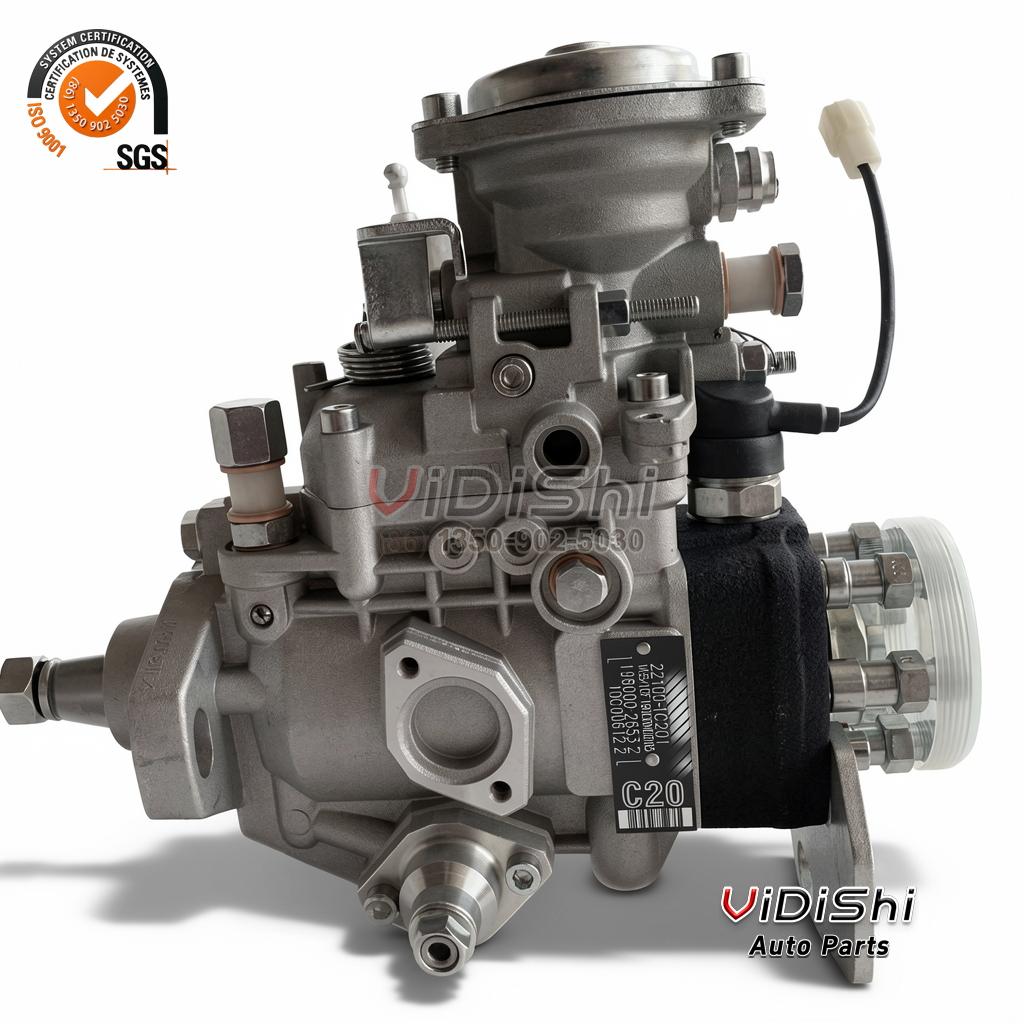
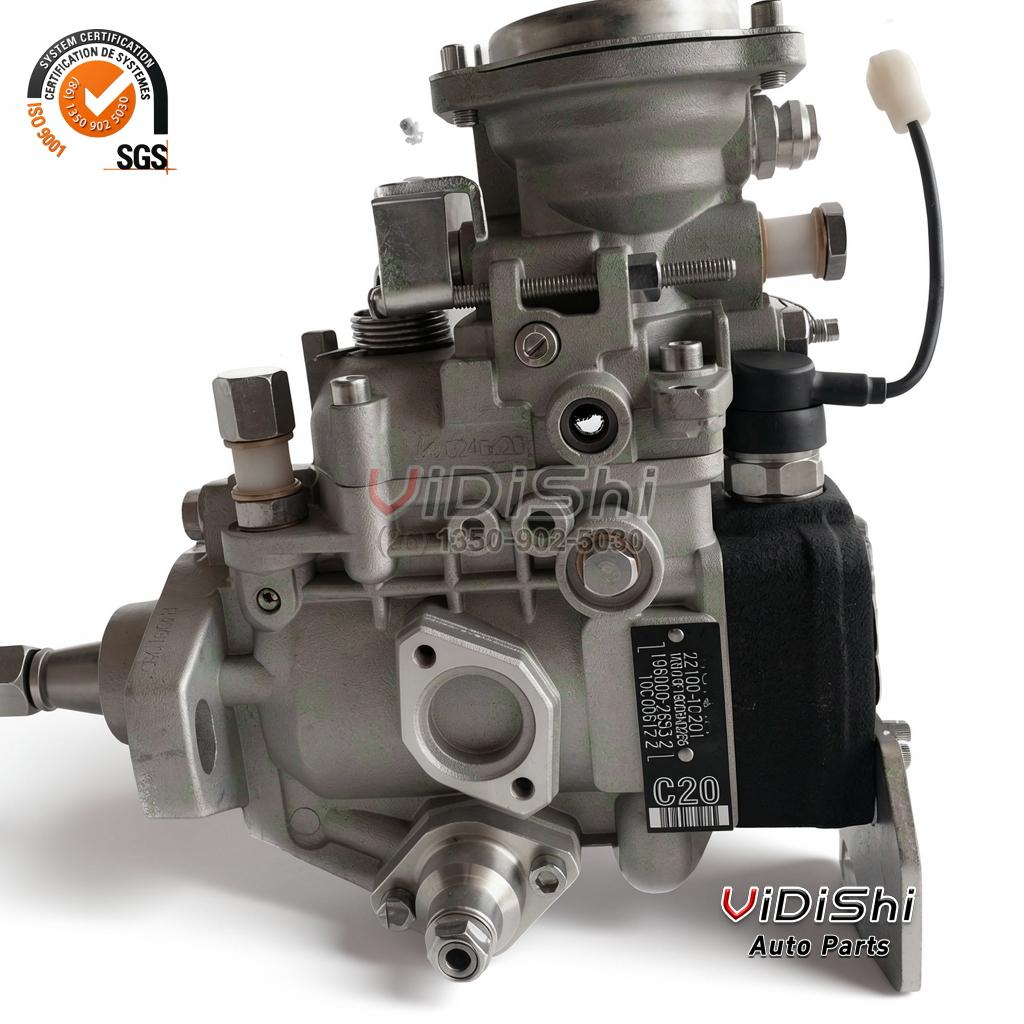
New 221001C201 Denso VE distributor diesel injection pump for the Toyota 1HZ, its data plate reading 22100-1C201 on the first line and 196000-26532 on the third. A mechanical rotary pump with three capped delivery outlets and a four-lobed drive flange, not a high pressure common rail unit and not a tank supply pump. A Vidishi Auto compatible replacement, not a Denso-branded product. Single package 42x34x28 cm and 12.5 kg gross are packing estimates. MOQ 12 pcs.
Original price was: $380.00.$320.00Current price is: $320.00.
100% Secure Checkout
Free Shipping Over $1099
Customer Satisfaction
International Shipping
Product Specifications
| Weight | 12.5 kg |
|---|---|
| Dimensions | 42 × 34 × 28 cm |
| make | |
| model | |
| engine | 1HZ 4.2L Inline-6 Naturally Aspirated Diesel, Denso VE Distributor (Rotary) Pump, Four-Lobed Drive Flange, Three Capped Delivery Outlets, Year Range Not Published |
| position |
Product Details
Supply highlights
The commercial numbers that decide the order, for a pump supplied new from a twelve-piece minimum with no core return.
Fitment verification in four steps
The engine application for this number is published and well attested, so the check is quick — but the number range it sits in is crowded, which is exactly why it still has to be done on the unit itself.
| Step | What to look at | What it proves |
|---|---|---|
| 1. Read the plate | The black riveted plate on the flank of the pump in the engine | Confirms 22100-1C201 on the first line and 196000-26532 on the third, read as a pair rather than one line alone |
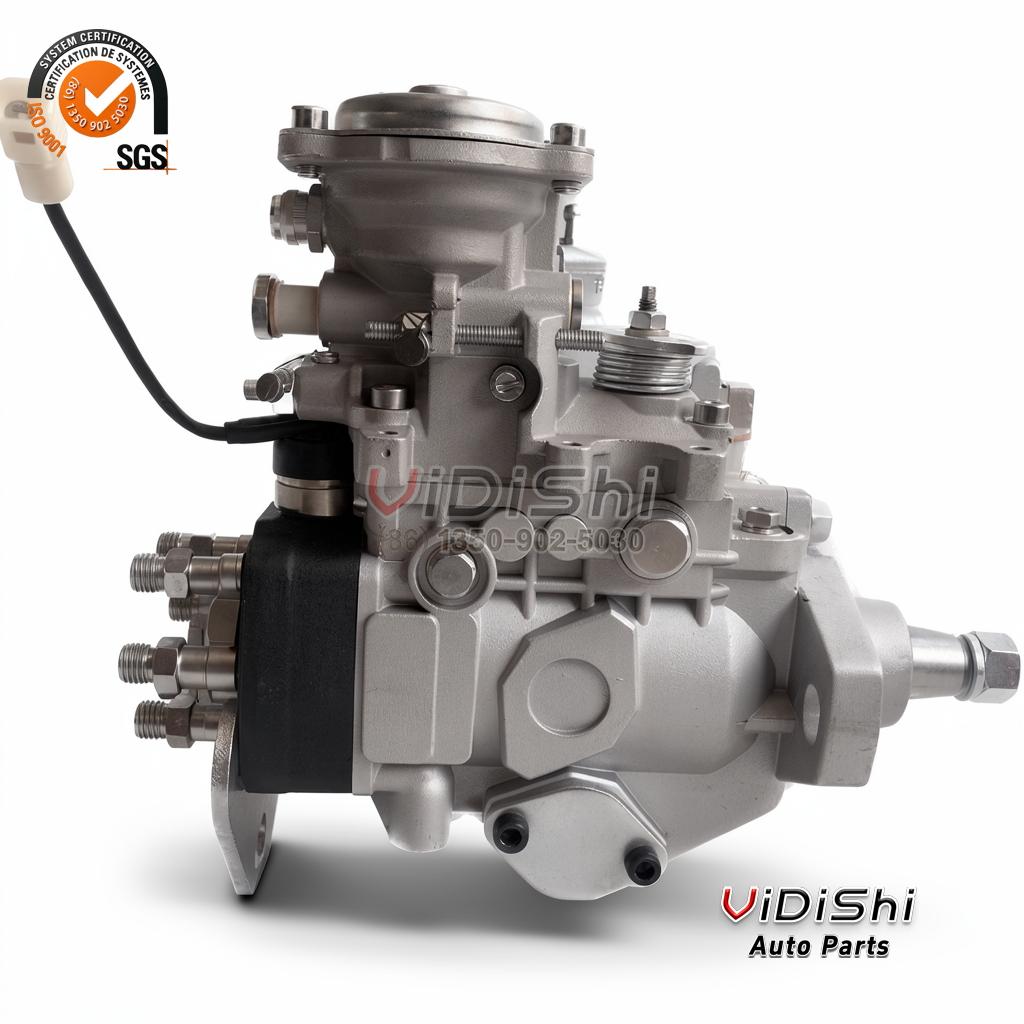
| 2. Count the capped outlets | Three threaded delivery outlets closed with hex caps on the black backing plate | Confirms a mechanical distributor pump rather than a common rail unit or a low pressure tank supply pump |
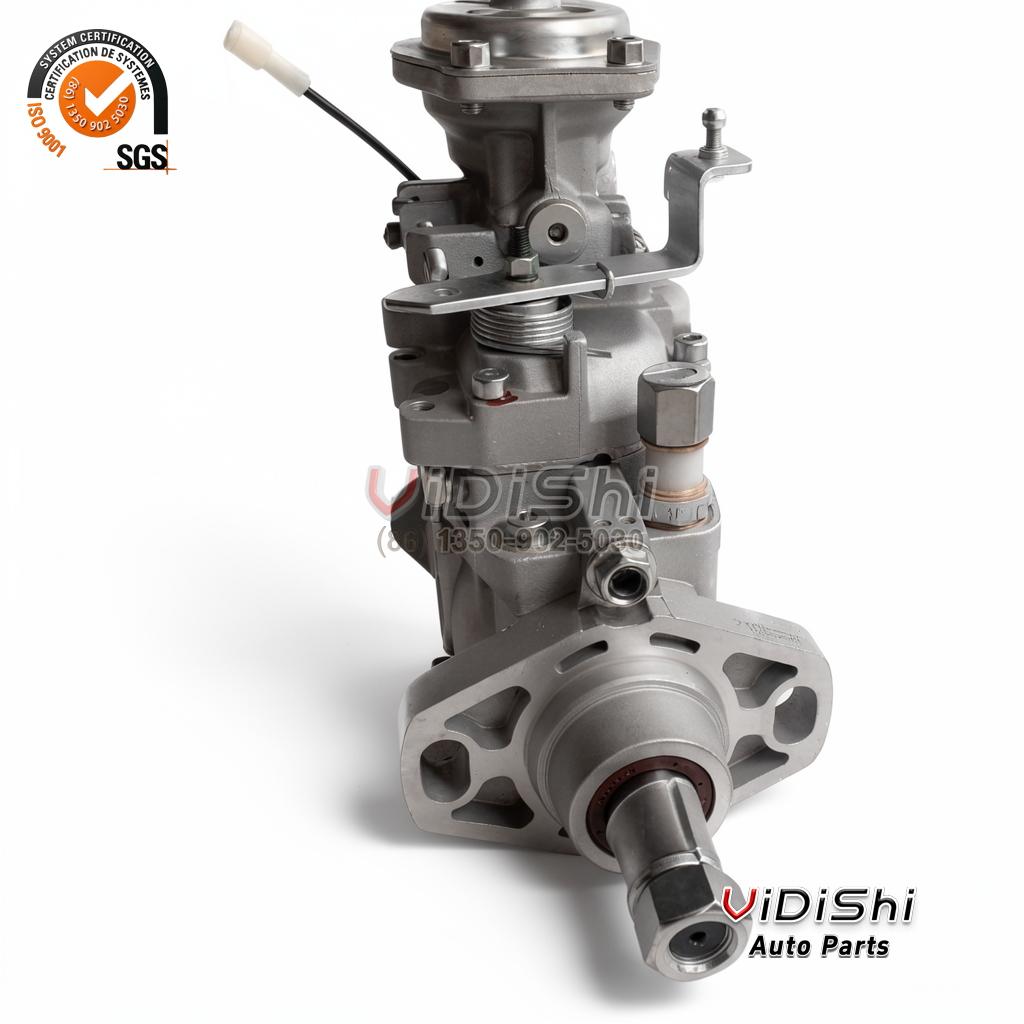
| 3. Confirm the drive end | The four-lobed mounting flange with the central hex drive stub | Confirms a rotary distributor drive, which is what sets the drive engagement and the service routine |
| 4. Get written confirmation | Our reply before anything is invoiced | The match is agreed in writing, not assumed from a chart or from a neighbouring number |
The application we stand behind is the Toyota 1HZ 4.2 litre inline-six diesel, and it is the best attested single fact on this page: six independent sources put this number on that engine, and the plate on the unit carries the two numbers that identify it. Vehicle coverage in the published record runs across the Land Cruiser 70 series, the 80 series and the 105 series, and the Coaster, all on the same engine. Two things carry that application and they are the two the published data actually supports: the pair of numbers on the plate, and the drive end and outlet count the unit presents. We deliberately do not extend that to a year range, because the sources contradict each other on exactly that point and a value we cannot stand behind twice is worse than no value at all.
Why this range in particular punishes a number-only search. The published record for this engine carries several similar-looking pump numbers in one range, and it documents them superseding one another as the engine was built over its life. Neighbouring numbers appear in published listings paired with this one, which is precisely why a range search cannot tell you which build you have. The plate tells you in a minute: two lines, read together, off the metal in your hand. That is the whole difference between a check that costs nothing and a pump that arrives and does not fit.
Three more identifiers worth having. If the vehicle is still with the customer, the VIN on the registration document settles the engine variant faster than any chart, and the chassis plate number settles which build the vehicle left the factory as. Where the pump is already off the engine, a photograph of the engine code plate and a photograph of the plate on the pump settle it instead. Any one of those three alongside the plate on the pump is enough for us to confirm in writing; all of them together is what stops a number-range mix-up reaching your workshop.
What this page is not claiming. We are not saying that a neighbouring number in the same range fits your engine, that a component number for something inside the housing is settled, that the published vehicle coverage extends to a build without a plate check, or that a pump from a different fuel system architecture substitutes. 22100-1C201 together with 196000-26532 describes one build, and the plate on the unit is what identifies it. Anything beyond those lines is better answered from your own parts data, and we would rather answer it with you than assert it here.
What a distributor injection pump does on a diesel engine
A plain-language look at the mechanism, the numbers on its plate, and why this pump is routinely confused with two other parts that share its number range.
On a diesel engine the fuel system has three jobs and this page is about the middle one. A pump in the tank moves fuel forward at low pressure. The distributor injection pump is what stands between that and the injectors: it takes the low pressure fuel, raises it to delivery pressure, and meters the right amount to each cylinder in the right order. A separate component downstream then puts that fuel into the combustion chamber. The middle job is entirely mechanical on this engine, which is the single fact that explains almost everything else on this page.
The mechanism is a rotor turning inside a shaped distributor body. The rotor has as many arms as the engine has cylinders, and the body has one metering pocket per arm. As the rotor turns, each arm passes its pocket once per revolution, and the volume of that pocket is what sets the fuel delivered to that cylinder. The delivery pressure itself comes from elsewhere: the engine cam acts on a plunger, and the fuel forced past the delivery valve is what the distributor meters. So metering and pressure come from two different places, and a pump can lose one and keep the other. That is why this engine can start and still run unevenly.
Everything mechanical here runs on wear surfaces with no separate oil supply to keep them apart. There is no electronic metering unit on this pump, no sensor feeding a control module, and no timing valve being commanded. That has three consequences a buyer should hold on to. Diagnosis is by symptom pattern rather than by data, because there is little data to read. Adjustment belongs on a bench, because the settings belong to the calibration of the unit. And a failure can put wear metal into the fuel circuit, which is why the flush step further down this page is the one that decides whether the new unit lasts.
The numbers are the second trap, and this one is worth spelling out because it looks like an error in the listing and is not. The plate on this unit carries 22100-1C201 on its first line and 196000-26532 on its third, with the letters C20 above the scanned code. That is one pump with two identities, not a mismatched record: the first is the vehicle manufacturer’s OE number for the assembly and the second is the fuel system manufacturer’s own part number for it. Every catalogue we can stand behind lists the pair together. The letters C20 are recorded on this page as a visible marking only, because nothing in the published record explains what they designate and reading them as a model code would be a guess dressed up as a fact.
The third trap is the one that catches people who order by number alone. The Toyota number range that carries this part also carries supply pump numbers used on petrol engines, and a supply pump is a plastic impeller in a motor can in the fuel tank. This unit is nothing like that: a machined cast body, a large round top cover, three capped delivery outlets and a four-lobed drive flange. The Toyota catalogue lists same-range petrol applications as a Supply Pump Assembly, and both parts can be reached by typing a number into a search box, yet only one of them is bolted to the side of the engine. We would rather teach the difference than pretend the number does not have this ambiguity.
Where our supply differs is what arrives rather than how the part works. Original equipment supply comes through the manufacturer’s own channels, and a buyer whose paperwork requires a factory boxed part does need to go there. What we supply is a distributor pump replacement — a new compatible unit for the same job, sold under the Vidishi Auto brand, carrying the same two numbers on its plate, at a twelve-piece minimum with no core return. Nothing has to come back, there is no exchange loop to manage, and the removed pump stays with you for the warranty file.
One thing we do not do is dress that up. The 221001C201 pump we ship is ours, not a manufacturer’s and not a vehicle maker’s. The part numbers, the family designation and the application appear on this page so you can match the pump you are replacing. They are references for fitment, not a claim about who made the part, and this page states no country of manufacture for the goods supplied because we will not print one we cannot evidence. The buying guides hold the general method for confirming any diesel part from the unit itself, and the glossary explains the terminology if any of the names above are unfamiliar.
221001C201 specifications
Confirmed values first, then the parameters we deliberately mark as not published rather than guess. The second table is long on purpose: on a mechanical pump of this type most of the figures a buyer might want sit inside the calibration data, and saying so is more useful than printing an approximation.
| Part number | 221001C201 (supplier number for this listing) |
| Toyota OE number | 22100-1C201 (Confirmed — first line of the data plate on the supplied unit) |
| Denso part number | 196000-26532 (Confirmed — third line of that same plate, printed on one plate because it is the same pump) |
| Plate code | C20 above the scanned code (Reference — visible on the plate, but no source we can cite explains what it designates, so we do not treat it as a model or batch code) |
| Pump family designation | Denso VE6 (Reference — published family designation, not an origin claim and not a brand field) |
| Part type | Mechanical distributor (rotary) diesel injection pump, complete assembly |
| Injection system | Mechanical rotary distributor, diesel, indirect injection |
| Metering | Mechanical metering by rotor and vane inside the distributor body, with no electronic metering unit |
| Delivery outlets | Three threaded ports closed with hex caps, sitting on a black backing plate (Confirmed from the supplied photography) |
| Top cover | Large round cast cover on a bolted flange over the distributor body (Confirmed) |
| Adjustment and spring | A coiled spring and a threaded adjuster on the upper casting (Confirmed) |
| Drive | Four-lobed cast mounting flange with a central hex drive stub and a circular oil seal behind it (Confirmed) |
| Electrical | A lead with a white plastic terminal at the shoulder of the body (Confirmed) |
| Label markings | Black riveted rectangular plate carrying 22100-1C201 on the first line, an obscured string on the second, 196000-26532 on the third and C20 above a scanned code |
| Application | Toyota 1HZ 4.2 litre inline-six naturally aspirated diesel (Reference — published application) |
| Vehicle coverage | Land Cruiser 70, 80 and 105 series bodies plus the Coaster, all on the 1HZ engine (Reference — year range deliberately not published) |
| Condition | New — Vidishi Auto compatible replacement |
| Supplied brand | Vidishi Auto — a compatible replacement part |
| Minimum order quantity | 12 pcs |
| Warranty | 12 months against manufacturing defects |
| Single package size | 42 × 34 × 28 cm (packing estimate, not a published figure) |
| Single gross weight | 12.5 kg (estimated, not a published figure) |
| Core return | Not required with our supply |
| Model year coverage | Not published — published sources give different spans for this number and its neighbours on the same engine, and a fitment year stated on a product page ends up in somebody’s parts order, so the page names the engine and the chassis codes and stops there |
| Meaning of the plate code C20 | Not published — the letters are legible above the scanned code but no source we can cite says what they designate, and reading them as a model or batch code would be a guess |
| Second line of the data plate | Not published — a character string is present but it is partly hidden by the plate rivet at the resolution available, so it is not reprinted here |
| Rated injection pressure | Not published — the only figure attached to this number anywhere is a marketing figure on a seller page whose own part number is truncated, and a pressure number printed in a product table ends up in somebody’s engine settings |
| Delivery rate and spray data | Not published — delivery figures are withheld rather than approximated, and a guess in this cell would be worse than an empty one |
| Cylinder count served by this build | Not published — the application is a six-cylinder engine, but the number of delivery outlets actually fitted to a given build is settled by the unit itself rather than by the number, and we confirm it against the plate and the outlet count |
| Remaining members of the interchange group | Not published — an interchange group for this number does exist in published records, but the other members are carried by a single source, so they are not reprinted here as fitments |
| Component numbers for the internal metering and compensating parts | Not published — numbers do appear in group listings against this number, but no source we can cite says whether they are supplied assembled or sold as separate service parts |
| Overhaul kit part number for this number | Not published — overhaul kits are catalogued against the wider family, and a family kit number is not automatically correct for this variant |
| Drive phasing and tightening figures | Not published — both belong to the engine application, so confirm the drive engagement and the torque against the unit coming off and the engine manual |
| Position of the internal adjusting screws | Not published — the spring and the threaded adjuster are visible on the casting, but their correct setting belongs to the calibration of the unit, so do not move them and do not expect a figure here |
| Country of manufacture of the goods supplied | Not published — nothing on this page states or implies a country of manufacture for the goods supplied, and the label visible in the photography is an identification label rather than an origin statement |
| Net pump weight and unpackaged dimensions | Not published — only a clearly labelled packing estimate is given for the boxed pump, and we add nothing beyond that estimate to any of it |
How we label data. Confirmed means a value read directly from the goods we handle, including the numbers on the data plate and the drive end, the outlet count and the fittings visible in the photography. Reference means a part number, a family designation or a cross reference quoted so your paperwork can be matched, and carrying no claim about origin. Not published means the field is left blank on purpose — a pressure figure, a component number, a year range or a fitment list that we cannot source would be worse than an empty cell, because it would end up in somebody’s parts order or somebody’s engine settings.
What is in the box. One complete mechanical distributor injection pump: the cast body with the metering set behind the round top cover, the three capped delivery outlets on the backing plate, the spring and threaded adjuster on the upper casting, the electrical lead with its terminal, and the four-lobed drive flange with the hex drive stub, as photographed. New sealing washers, a fresh filter element and a full flush of the fuel circuit are required at fitting and none of them is asserted as included for this line. Nothing on this page is sold loose from the pump, and internal service components keep their own listings for buyers who want a rebuild rather than a replacement. Whether the compensating components inside the housing are supplied assembled is confirmed against the packing list rather than claimed here.
Cross reference and how to read it
The numbers that resolve to this pump, and what each one is. This is a map of one unit, not a list of interchangeable parts.
| 221001C201 | Supplier part number for this listing (this unit) |
| 22100-1C201 | Toyota OE number for the assembly, first line of the data plate on the supplied unit (Confirmed) |
| 196000-26532 | Denso part number for the same pump, third line of that same plate (Confirmed) |
| Both numbers, one plate | The two are printed on a single riveted plate because they identify the same pump as a vehicle OE number and as a manufacturer part number; matching a purchase order against one line alone is how a wrong pump gets ordered |
| C20 | Letters visible above the scanned code on the plate (Reference — recorded as a visible marking only, with no meaning claimed) |
| VE6 | Published family designation for this pump architecture (Reference — a type code, not a brand field, and printed across several manufacturers in published records) |
| 1HZ | Published engine application for this number (Reference — fitment use only) |
| 22100-1C200 | Published neighbouring number in the same range, documented in pairs with this one against the same engine (Reference — listed to show the range boundary, not a claim that it fits your vehicle) |
| 1C2xx range | Published record carries several similar pump numbers for this engine across one range with documented supersession between them (Reference — this is exactly why a range search is not a fitment check) |
Read the table from the top, because the order matters. 221001C201 is the supplier part number and it is the weakest identifier on the page: it is the number a listing carries, and it tells you nothing about which build you have been sent. The two rows that identify the unit are the 22100-1C201 printed on the first line of its own plate and the 196000-26532 printed on the third, and they belong together. Used as a 221001C201 cross reference map, the table is a boundary as much as a bridge: a parts system will match one form of a number and not the other, which is worth knowing before a search box tells you the part does not exist.
The pairing is worth one paragraph of its own, because it is the thing people read as an error. Two numbers on one plate is not a contradiction. A vehicle manufacturer issues an OE number for the assembly it fits into a vehicle, and a fuel system manufacturer issues its own part number for the part it makes. When the vehicle manufacturer specifies a fuel system part, the assembly ends up carrying both, and the plate is where they meet. Read 22100-1C201 and 196000-26532 as one item with two labels and the whole page gets simpler, including the ordering process.
The Denso VE6 row is there for identification the way a family name is on any catalogue entry. It tells you which published pump family this architecture belongs to, which narrows the search and tells a parts clerk what sort of unit to look for on the shelf. It is not a statement that the unit in our box was made by that manufacturer, because it was not, and the difference matters both legally and practically when a warranty claim has to be settled. The letters C20 in the table are recorded the same way: a marking we can see, printed on the plate, with no meaning claimed for it because we cannot evidence one.
The last two rows are the half of the mapping that stops people over-reaching, and they are here for a reason. The published record carries several similar pump numbers for this engine within one range and documents them superseding one another, including a neighbouring number published in a pair with this one. Same range, different builds. That is exactly why a number-range search is not a fitment check, and why the plate on the unit settles the match instead.
What the table deliberately does not do is extend itself. It does not say that a neighbouring number fits your engine, that a component number for something inside the housing is settled, or that a pump from another fuel system architecture substitutes. An interchange group does exist for this number in published records, and we have left its remaining members out on purpose, because only one source carries them and we will not turn a single seller’s grouping into a fitment claim. Those are exactly the assumptions that turn a cheap order into an expensive week of vehicle downtime, and we would rather leave the cell empty than fill it with a guess. Our comparison charts set out the number families we can evidence, and the buying guides cover the general method for confirming any diesel part from the unit itself.
Built as a mechanical distributor pump, supplied as a complete unit
What this pump gives a workshop that ordering around the fault would not.
Two numbers, one plate, read as a pair
The first line reads 22100-1C201 and the third reads 196000-26532, both on the same riveted plate on the unit in your engine. They are the vehicle OE number and the manufacturer part number of one pump, and a purchase order matched against only one of them is where a wrong pump gets ordered.
Mechanical rotary distributor, stated plainly
A rotor turning inside the distributor body meters fuel to each cylinder in turn, and the delivery pressure comes from the engine-driven cam acting on the plunger. There is no electronic metering unit on this pump, and nothing about it is common rail.
Three capped delivery outlets as photographed
Three threaded outlets closed with hex caps sit on the black backing plate, so the fuel circuit is closed from the moment the box is opened and the outlet count is one of the three checks that confirm the mechanism.
Four-lobed drive flange
The drive comes in through a four-lobed cast flange with a central hex drive stub and a circular oil seal behind it. It is the quickest way to tell a rotary distributor pump from any other fuel system part when the paperwork is not in front of you.
Large round top cover over the distributor body
The bolted round cover on top is what you open to reach the metering set, and it is the reason a rebuild on this pump is a bench job rather than a roadside one.
Adjustment left as it shipped
A coiled spring and a threaded adjuster are visible on the upper casting. Their correct setting belongs to the calibration of the unit, so they are shipped as set and we publish no figure for them, because a moved adjusting screw is a common cause of a pump that arrives correct and runs wrong.
New, not an exchange unit
A new compatible pump rather than a reconditioned core, so there is no core return, no core charge and no wait for an old unit to be accepted before a replacement ships.
Twelve-piece minimum for fleet work
This line is built for workshops and distributors covering several vehicles on the same engine, so the batch starts at twelve and the price is worked out against the quantity you send us.
The practical difference shows up on the road test. When a mechanical distributor has worn clear, the engine still starts and still pulls, so the fault gets carried around for weeks as “something on the injection”. Fitting a known-good unit and running it against the symptom pattern settles the argument in one drive, and the twelve-piece batch is what makes that argument affordable across a fleet rather than one vehicle at a time. Keeping a matched spare — correct plate, three capped outlets, four-lobed flange — turns a diagnostic argument into a parts swap. That is the case for holding a batch of these, and it is why a twelve-piece minimum is the sensible purchase on this line.
How a tired distributor pump behaves
Read every line as a symptom rather than a verdict, because each of them has at least one other possible cause. What follows is the pattern, and the observation that separates a metering fault from a single bad injector.
- Hard starting that is worse when warm — A distributor metering set that has worn clear on one lobe delivers a different volume hot than cold, and this engine shows it most at the start. A start that is brisk cold and long hot is a signature worth reading properly rather than blaming the battery.
- An idle that hunts or will not settle — At idle the distributor is metering a small volume continuously, so a worn lobe or a sticking vane shows up as an idle that will not hold, often with a shake that no mounting fault explains.
- Uneven running that moves between cylinders — This is the pattern that points at the pump rather than at the injectors. A single worn injector stays on its own cylinder; a metering problem in the distributor moves around, and which cylinder is worst can change with temperature and load. That movement is the diagnostic.
- Loss of power only when the engine is worked — When the operator asks for load the distributor has to deliver more volume, and that is the demand a worn metering set struggles to meet. The engine feels flat exactly when it is asked for more and fine at idle, which is what makes it easy to misread as a fuelling filter issue.
- Smoke under load — Fuel delivered in the wrong amount and at the wrong moment will not atomise the way it should and leaves the stack as smoke. On this pump that points at the metering set and the delivery valves rather than only at the injectors.
- Rising fuel consumption — Fuel that goes past a distributor lobe that has worn clear is measured again on the next revolution, so the gauge moves faster than the work done and the tank empties sooner than the hour meter suggests.
- An uneven or wandering idle at low revs — At low engine speed the rotor spends longer in each metering phase, so a worn lobe shows up hardest there. If the engine is smooth at speed and unsteady when hardly moving, that contrast is itself the evidence.
- Hard starting after the engine has been left standing — After a long stand the fuel in the distributor and the lines settles, and a metering set that has lost its seal draws on it differently than a warm one does. Cold-start-only complaints on an engine of this age are worth separating from warm-start ones before any part is ordered.
The pattern worth holding on to is movement between cylinders. A single worn injector shows up on one cylinder and leaves the engine steady on the others, and it stays on that cylinder cold and hot alike. A worn metering set in the distributor behaves differently: which cylinder is worst shifts with temperature and with load, because the wear is distributed around the rotor and the pockets rather than concentrated in one place. That contrast does more diagnostic work than any code name, and it is why we would rather see you describe how the engine runs than have you decode a code list. The fault code guide explains how to read data where data exists, and our maintenance guide covers the filter and water separator intervals that keep this circuit healthy.
The second pattern is specific to this architecture and worth its own paragraph, because it changes what you do next. With no separate oil supply to the working surfaces, a failure can send wear metal through the tank, the lines, the pump and the filter housing along with the low pressure that stopped the engine. Fine particles in the filter bowl are the reason to flush the circuit rather than fit the pump and hand the vehicle back. A replacement fitted into a circuit that was never cleared is a second failure bought on the same day, and on an engine of this age it is one of the most common causes of a warranty claim we see.
Fitting the pump, and the one step that saves the new unit
Written for a diesel workshop rather than for a first-time job. The order matters, and on a mechanical pump one of these steps decides whether the replacement lasts.
- Step 1. Mark the drive position before anything is unbolted
Before the mounting bolts are released, mark where the pump sits against its flange and mark the drive stub position against the coupling. This pump is driven through a hex stub, and the mark is the only thing that guarantees it goes back on the same position. - Step 2. Flush the whole circuit if the old unit failed internally
A mechanical distributor has no separate oil supply to the working surfaces, so wear metal can be left in the tank, the lines, the pump and the filter housing. Drain all of it, fit new filters, and only then fit the new unit. This step is the single biggest cause of a second failure and the one most often skipped on a pump that is sold as a drop-in. - Step 3. Clean the mounting face and the spill port before opening anything
Wash around the pump, blow the sealing face down, and only then release the bolts. Grit that falls onto that face ends up between the two surfaces, and the new pump will weep from its first minute. - Step 4. Unbolt evenly and support the housing
Work the bolts in sequence rather than freeing one corner at a time. The housing has to lift straight off the engine, not at an angle, and the hex drive stub must never be levered against the coupling to free it. - Step 5. Inspect the drive stub, the coupling and the surrounding material
Check the hex drive stub, the coupling and the surrounding material for wear, burrs and stray debris. A drive that has been turning against a worn coupling, or against one that has picked up metal, will damage the new pump in its first hour of running. - Step 6. Leave the adjusting screws exactly as they are
The spring and the threaded adjuster on the upper casting are set at the bench and belong to the calibration of the unit. Do not move them, do not “adjust” the pump on the vehicle, and if a screw has been moved the pump needs calibration on a bench rather than another guess on the road. - Step 7. Fit new seals and a fresh filter element
A fresh seal goes under the refitted pump and the filter element is renewed rather than reused. Reused seals and a reused element are the most common causes of both a weep and an early return of the same fault. - Step 8. Prime, bleed and verify before the engine goes back to work
Fill and bleed the system properly until it shows no air, then confirm the electrical terminal is fully seated and the caps are off every outlet. Check that the engine starts, runs evenly at idle and does not hunt, and check the filter bowl again after the first run.
Two notes on what we deliberately do not print. We do not publish the tightening figure for the mount, the delivery pressure figure, the drive phasing, or the position of the internal adjusting screws, because all four belong to the engine application and the unit’s own calibration rather than to the part. A figure copied from a product page into a workshop manual is how a good pump gets damaged on a correct fit, and a screw turned “to see what happens” is how a pump that arrived correct ends up returning a month later. Take all of them from the engine manual and from the unit coming off. And we do not publish a diesel fuel injection figure as a shortcut, because the mount, the lines and the drive engagement each have their own value and they are not interchangeable. The installation guide covers the surrounding routine, and the glossary defines the terms if any of the above are new to you.
Warranty and after-sales cover
What we stand behind on a mechanical pump, and what is outside the cover.
Every 221001C201 pump is covered by a 12-month warranty against manufacturing defects. That covers a unit that arrives out of specification or fails early because of how it was made. It does not cover damage from contaminated fuel, from water in the system, from a filter changed too late, from incorrect fitting, from an adjusting screw moved from the position it shipped in, or from a separate fault elsewhere in the fuel circuit. It does not extend to labour or to the vehicle. It is a supplier warranty from Vidishi Auto and it is not a Denso warranty and not a Toyota warranty — we are not a dealer for any of the equipment makers and no cover from any of them travels with this part.
If a pump is suspected faulty, send us the order reference, both numbers read off the plate of the unit you removed, and a note of what was done at fitting. We will confirm the next step against our warranty terms and the returns process.
The two conditions we ask about every time are whether the circuit was flushed when the old unit came out, and whether the adjusting screws were left alone. On this architecture the first is the single most common reason a replacement pump fails early, and the second is the single most common reason a pump that was fine on the bench is not fine on the road. With no separate oil supply to the working surfaces, metal left in the circuit is the mechanism rather than a theory, and a moved screw is a calibration change nobody signed off. Tell us what was done and we can tell you quickly whether a claim is likely to stand. If you would rather settle that question before you order, the contact page is the fastest route to a written answer.
Wholesale supply for workshops and distributors
A mechanical distributor pump on a long-lived engine is bought in batches, so this line starts at twelve pieces and scales from there.
The minimum order quantity is 12 pieces, and the reasoning is worth stating rather than leaving you to work out. This engine has been in production for a very long time and the vehicles are still in daily service, so demand arrives as a pattern rather than as one emergency: several vehicles on the same engine will reach the same worn metering set within the same few months. A batch of twelve covers a small workshop or a single depot across those vehicles, and it leaves you with a known-good unit on the shelf to road test against before committing to anything. From there the line scales normally — a fleet running a dozen vehicles will take a set per vehicle, and a distributor will take them alongside the rest of a fuel system order.
What we do not do on this line is pretend the part is something it is not. The unit we ship is a new compatible replacement sold under the Vidishi Auto brand. It is not Denso-branded, it is not Toyota-branded and it is not a factory boxed original. That matters commercially as well as legally: if your incoming goods inspection needs a specific brand on the paperwork, this is not that product, and we would rather tell you now than have a delivery rejected. It is also worth saying plainly which architecture you are buying, because a mechanical distributor pump is not interchangeable with a common rail unit and a batch ordered on the wrong assumption is a batch you cannot use. The help centre covers ordering and documentation questions.
Packaging, shipping and lead time
How these pumps are packed, and what to expect on an export order.
| Single package size | 42 × 34 × 28 cm (packing estimate) |
| Single gross weight | 12.5 kg (estimated figure) |
| Minimum order | 12 pieces |
| Core return | Not required — supplied new, not as an exchange unit |
| Packing | One pump per box, hex drive stub and electrical terminal protected |
| Documentation | Commercial invoice, packing list and HS code documentation supplied |
| Shipping | Export by courier, air or sea to your destination |
| Lead time | Quoted per order in writing before the invoice is raised |
The package size and gross weight in that table are a packing estimate, and we label it that way rather than quietly presenting it as a specification. No source we can stand behind publishes a packaged figure for this number, so we give you a figure we can pack and weigh against rather than a manufacturer specification we cannot evidence. If your freight is calculated on volumetric weight rather than actual weight, tell us the destination and we will confirm the chargeable weight against the carton we actually use. The shipping page sets out the full documentation and delivery terms, and the order tracking page is where to follow a shipment once it has left.
On the protective side, the two areas we watch are the hex drive stub and the electrical terminal on the shoulder of the body. A drive stub knocked out of register will not seat properly on the coupling and will damage the new pump within hours, and a bent terminal pin is a fault that looks like an electrical problem for weeks afterwards. Both are packed protected on every unit, and both are worth checking on arrival before the box goes into stores.
Quality checks before a pump leaves us
How 221001C201 is treated before it is packed for export.
A mechanical distributor pump is a small number of large, precisely machined parts, and the metering set is the part that decides whether the engine runs evenly, so this line is checked at unit level rather than by sample. Every batch passes an incoming check for the numbers on the data plate, read as a pair rather than one line alone, an inspection of the four-lobed mounting flange and the hex drive stub, a count and condition check on the three delivery outlets and their caps, a confirm that the electrical terminal is present and undamaged, a check that the outlet threads and the ports are clean and free of obstruction, and a packed-weight confirmation against the documented figure. The supplier shows an ISO 9001 system certification badge on the product photography, which we record as a supplier statement rather than as a certificate we issue.
Rather than publish reviews we cannot verify, we tell you what we will actually put in writing: a written fitment confirmation against the plate you send us, a written quote against your quantity and destination, and a warranty position on any claim that follows. If you need a supplier who will sign a specific inspection or conformance document with the order, ask before you buy rather than after, because the answer depends on what the document is. The help centre covers the documentation we can provide, and the partner programme page is the route for a standing arrangement that needs more than a one-off order.
221001C201 FAQ
The questions buyers ask most about this pump and the two numbers it carries.
Is 221001C201 a complete pump or a sub-assembly?
It is the complete mechanical distributor injection pump, not a sub-assembly and not a housing sold on its own. What arrives is the cast body with its round top cover, the black-painted housing section, the three capped delivery outlets, the spring and threaded adjuster, the electrical lead with its terminal, and the four-lobed drive flange with the hex drive stub, all as photographed. What we will not claim is what is fitted inside the housing: a published specialist page lists compensating components against a related pump in the same family, so whether those are supplied assembled is confirmed against the packing list. New seals and a fresh filter element are needed at fitting and neither is in the box.
What do the two part numbers on the plate mean, 22100-1C201 and 196000-26532?
They are the same pump identified from two directions, and that is why they sit on one plate. 22100-1C201 is the vehicle manufacturer’s OE number for the assembly, and 196000-26532 is the fuel system manufacturer’s own part number for it. Every catalogue we can stand behind lists the pair together against this pump, so a seller offering you one without the other is telling you which half of the identification you are getting. The practical use is simple: read both lines off the plate on the unit you are removing and compare them as a pair, because a single number taken from a listing can be matched against the wrong half of somebody’s interchange table.
Is this the same thing as a high pressure common rail pump?
No, and the difference is mechanical rather than a matter of wording. A common rail pump builds high pressure in its own body and feeds a common rail that all injectors draw from, and on those engines the fuel is often metered electrically. This pump is a mechanical rotary distributor: a rotor turning inside a distributor body meters fuel to each cylinder in turn, and the delivery pressure comes from the engine-driven cam acting on the plunger. Different pressure system, different metering method, different diagnostic procedure and a different service interval. If a supplier has quoted you a common rail unit on this number, they have quoted you a different machine, and the fitment will not hold.
How is this different from a low pressure supply pump in the tank?
A tank supply pump moves fuel from the tank forward at low pressure, and on a petrol engine it is usually a plastic impeller in a motor can. This unit is a machined cast assembly with a rotor, a distributor body, three delivery outlets and a four-lobed drive flange, and it meters fuel to each cylinder under the engine’s own cam. The two are not interchangeable and the shapes are not even similar, which is worth stating plainly because the Toyota number range carrying this part also carries supply pump numbers used on petrol engines. Ordering by number alone, with nobody looking at the shape, is where the mistake happens.
How do I confirm the correct pump before ordering?
Read the plate on the unit you are removing and photograph it. The first line should read 22100-1C201 and the third should read 196000-26532, with the letters C20 above the scanned code. Then confirm the three capped delivery outlets on the black backing plate and the four-lobed drive flange with the central hex drive stub, because those two features identify a mechanical distributor pump rather than a different fuel system part. Finally send us the engine code plate. We reply with a written match confirmation before anything is invoiced.
Why does the number range matter so much on this engine?
Because the 1HZ ran for a long time and the published record carries several similar-looking pump numbers for it across one range, documented as superseding one another as the engine was built. Neighbouring numbers are published in pairs with this one, which is exactly why a range search is not a fitment check here. The plate settles it in a minute: two lines, read together, off the metal in your hand. That is the difference between a two-minute check and a pump that arrives and does not fit.
Which symptoms point at this pump rather than at the injectors?
Read every line as a symptom, because each has at least one other possible cause. A hard start that is worse when warm, an idle that hunts, power that arrives at idle and disappears under load, smoke under load, and fuel consumption climbing faster than the hours on the meter. The pattern that points at the pump rather than at the injectors is that the unevenness moves around between cylinders and shifts with warm versus cold, which is what a metering problem in the distributor does and what a single worn injector does not. Injector work will not move it, and on an engine of this age there may be no scan tool to read at all.
What fault codes are worth reading before ordering?
On this engine a code list is worth less than it is on a modern vehicle, because the 1HZ is a mechanical system and many of its symptoms never become a code at all. Where the vehicle has been fitted with a scan tool, read what it reports and read the data behind it rather than the code name. We deliberately do not print a code table here, because a code read without the scan data behind it sends people to the wrong part. Our fault code guide explains how to read a code properly, and we would rather see your data than our guess at it.
Can this pump be rebuilt instead of replaced?
Sometimes, and it is worth knowing before you order. On a mechanical distributor pump the items replaced individually are the delivery valves and their holders, the seals, the filter element and the internal metering set, and a rebuild needs the metering checked against a bench figure rather than by eye. Whether a rebuild is sensible depends on the housing, the bore condition and on whether metal is present elsewhere in the system. We supply the complete pump rather than a parts set, and we do not publish a kit number for this number. If you want a component level repair, tell us before ordering and we will say what that route needs.
What is the minimum order quantity?
Twelve pieces. This line is built for workshops and distributors running Land Cruiser and Coaster fleets on the 1HZ engine rather than for a single emergency replacement, so the minimum is set at twelve and the price is worked out against the quantity you send us. Twelve is also the practical batch: enough to cover a small workshop’s common failure modes across several vehicles without leaving a shelf full of one build. If you need a single unit, tell us what the fault is and we will say honestly whether this line is the right route for it.
What is the lead time and how does the pump ship?
Lead time is quoted per order rather than promised as a fixed number of days, because it depends on the quantity and on what else is travelling in the same shipment. Each pump is boxed with the hex drive stub and the electrical terminal protected, because a knocked drive stub and a bent terminal are what turn a cheap part into a second removal job. Orders ship by courier, air or sea with a commercial invoice, a packing list and HS code documentation. Ask for a delivery time against your destination and we put it in writing with the quote.
What warranty comes with the pump?
A 12-month warranty against manufacturing defects at unit level. It covers a pump that arrives out of specification or fails early because of how it was made. It does not cover damage from contaminated fuel, from water in the system, from a filter changed too late, from incorrect fitting, from an adjusting screw moved from the position it shipped in, or from a separate fault elsewhere in the fuel circuit, and it does not extend to labour or to the vehicle. It is our own supplier warranty, not a Denso warranty and not a Toyota warranty. If there is a claim, send the order reference, the numbers read off the removed unit and what was done at fitting.
Where to go next
The pages a workshop usually needs next, and the ones that answer the questions this product page deliberately leaves open.
Technical support and how to order
Send us both numbers off the old pump plate and your engine code plate and we will confirm the part.
Support is not an add-on on this line — it is how most of these orders get placed correctly. It costs nothing before you buy: send both numbers read off the data plate of the unit you are removing, the engine code and the vehicle details, and we check the whole set against what we supply before quoting. That last item is the one people skip, and it is the one that matters most here, because the published number range for this engine carries several similar-looking pump numbers and a number-only search cannot tell them apart. Two minutes with the plate in front of you is cheaper than a pump that arrives and does not fit.
Two things we will not do, whatever the order size. We will not quote a fitment we cannot evidence, and we will not ship a pump matched on a number range when the plate on the old unit is available. If that costs us an order, it is still the right call: a distributor pump that arrives mismatched costs a workshop a second removal, and that is the failure we exist to prevent. If anything on this page is unclear, the contact page lists every route to us, and a written answer is always better than a guess on a workshop schedule.
Reviews