
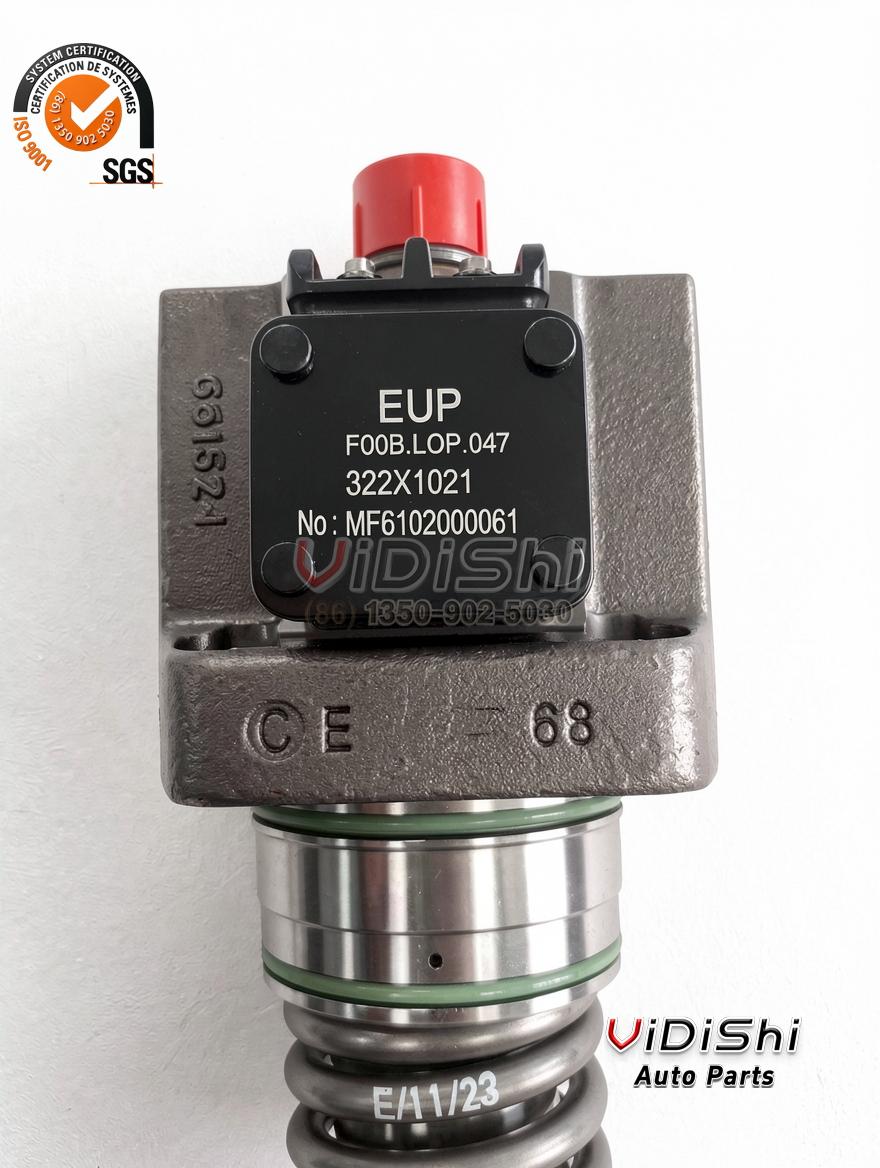
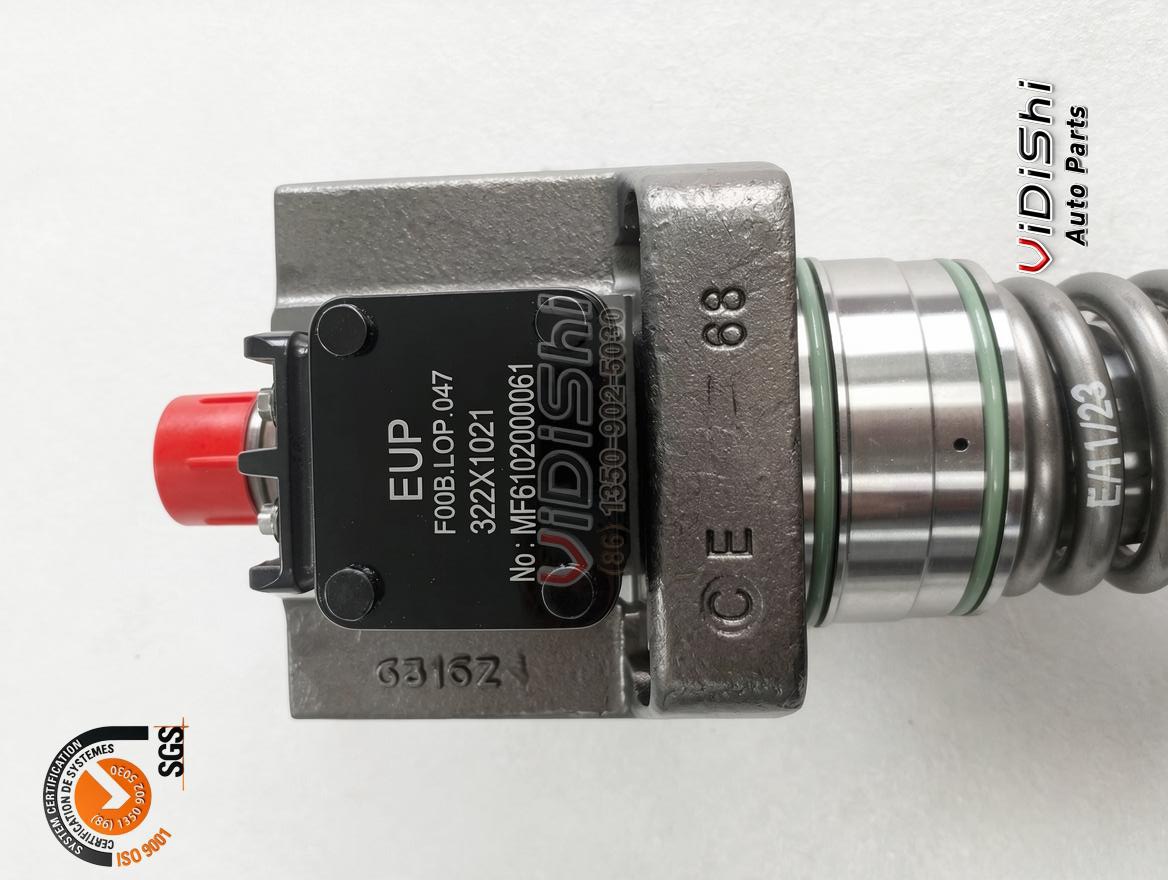
SNK1791889 Unit Pump 322X1021 for GE GEVO Locomotive
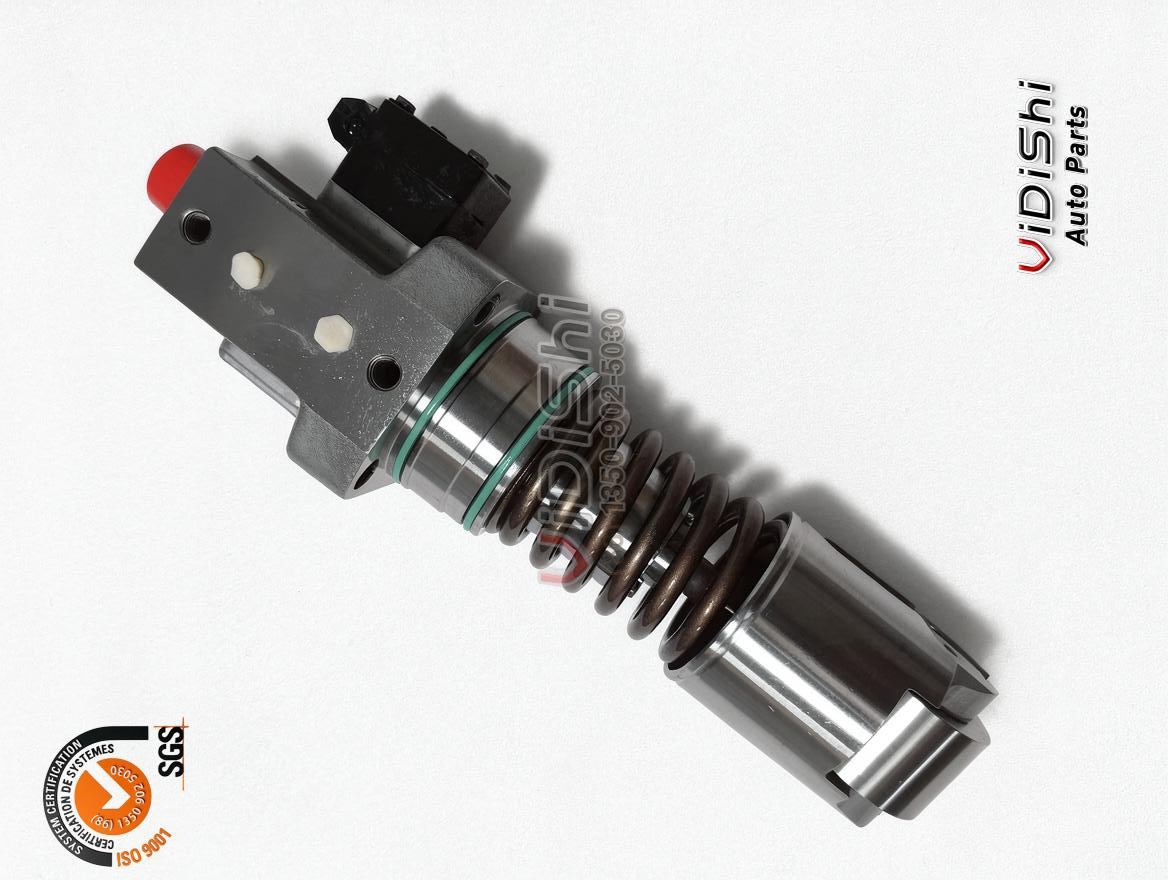
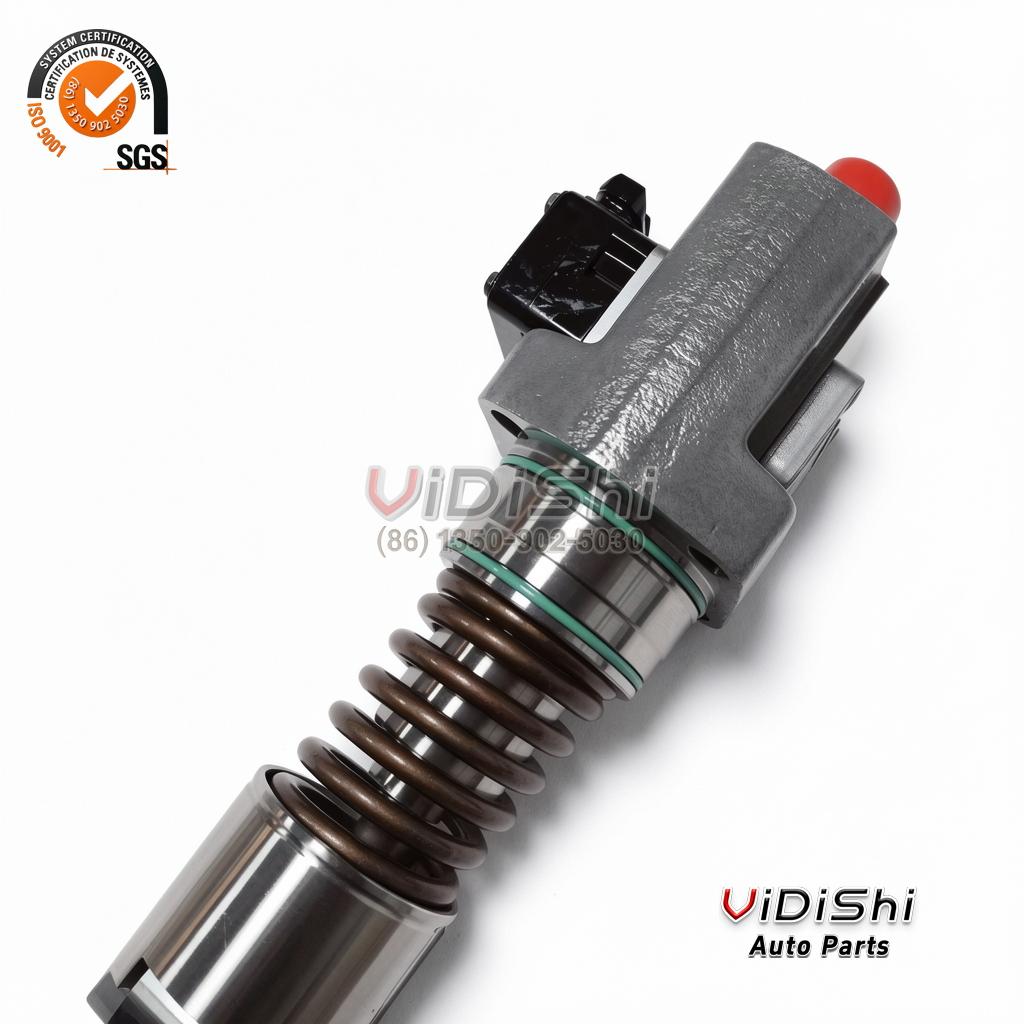
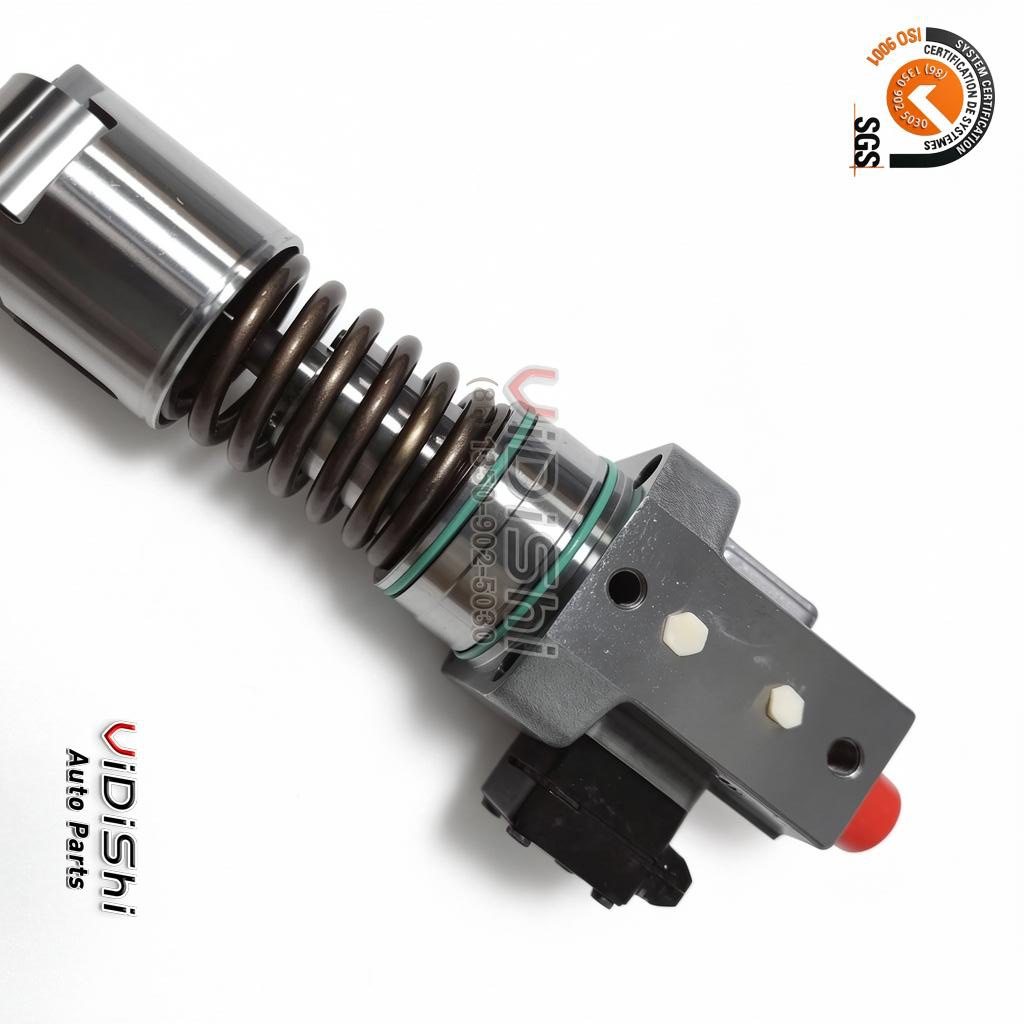
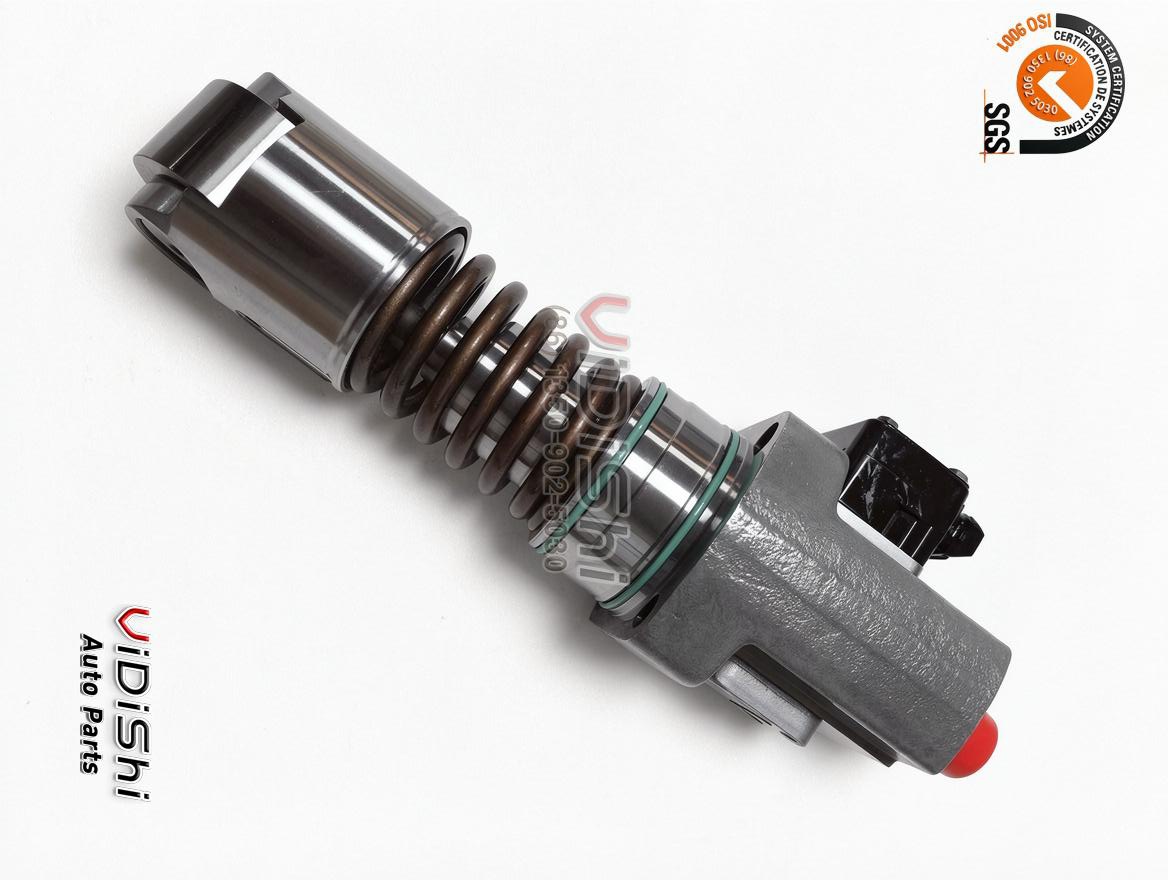
New SNK1791889 electronically controlled unit pump (plate number 322X1021) for the GE GEVO-12 locomotive diesel. A Vidishi Auto compatible replacement for Bosch F00B.L0P.047, also quoted as GE 84E901259G5 / 332X1021. 12-month warranty. Single package 30 x 21 x 10 cm, 7.000 kg gross. MOQ 4 pcs. Wholesale export supply.
Original price was: $2,510.00.$1,760.00Current price is: $1,760.00.
100% Secure Checkout
Free Shipping Over $1099
Customer Satisfaction
International Shipping
Product Details
SNK1791889 Unit Pump by the Numbers
Verified identity and fitment data for this unit pump module, supplied for the GE GEVO-12 locomotive diesel.
A unit pump module is a different purchase from an injector. The high-pressure pumping element, the roller plunger and the solenoid valve are built into one body that drops into the engine block and is held by the flange, so the job is a module swap rather than a pump rebuild. Because a GEVO-12 fires twelve cylinders from twelve separate modules, a fleet workshop replacing a full set orders twelve, while a single module is the normal order for a fault confined to one cylinder. The engine keeps running on the remaining modules either way, which is exactly why a failing module is often only found when the balance figures are read rather than when the locomotive stops.
Locomotive Engine Compatibility for SNK1791889
This unit pump serves the GE GEVO-12 diesel used across the Evolution Series. Match the pump number and the engine code before ordering.
| Unit pump number | Cross reference | Application note |
|---|---|---|
| SNK1791889 | SN K1791889 | Reference number on this page (SN K serialised form) |
| F00B.L0P.047 | F00BL0P047 | Bosch reference printed on the body data plate |
| 322X1021 | 332X1021 | GE number form; the plate on these units prints 322X1021 |
| 84E901259G5 | 332X1021 | GE part numbers quoted together for the same article |
| B416810387 | B 416 810 387 | Bosch short number quoted for the same article |
| MF6102000061 | MF6102000062 | Plate No field on the units photographed for this listing |
| 322X1021BR | 322X1021BR | Reference form with the BR suffix |
| 705503AT | 705503AT | Alternate reference quoted beside the GE number |
Locomotive and engine applications
| Platform | Locomotive model | Engine | Years | Unit pump |
|---|---|---|---|---|
| GE Evolution Series | ES44AC / ES44DC (AC and DC traction, 4,400 hp) | GEVO-12 (V12) | 2003-present | SNK1791889 |
| GE Evolution Series | ES44C4 / ET44AC / ET44AH / ET44C4 | GEVO-12 (V12) | 2005-present | SNK1791889 |
| GE Evolution Series | ES40DC (4,000 hp) | GEVO-12 (V12) | 2004-2008 | SNK1791889 |
| GE Evolution Series | ES30ACi / ES40ACi / ES44ACi export builds | GEVO-12 (V12) | 2007-present | SNK1791889 |
Part number match
Match the number on your old module to SNK1791889, to the plate number 322X1021, or to the Bosch reference F00B.L0P.047 quoted for the same article. Where the plate is legible, the printed reference under the black cover identifies the build without any further cross-check.
Where the number is hard to read, a photograph of the pump body and the engine code plate is usually enough for us to confirm the build. On a locomotive the pump is not normally visible without removing covers, so the plate on the engine and the delivery paperwork from the last overhaul are usually the faster route.
Written up from the traction side this is a locomotive engine part for the GEVO-12, and written up from the depot side the same module is ordered from the warehouse shelf. A storeroom that keeps a working list of locomotive parts and a buyer who works only from the maker number are describing the same module, and the number and the engine code are what we confirm.
The Evolution Series build covers a long production run, so the same article appears on the ES44AC locomotive, the ES44DC locomotive and the ES44C4 locomotive as well as on the Tier 4 machines. Because the GEVO-12 is also the prime mover in Wabtec locomotive rebuild programmes, the module is stocked for both new-build and overhaul demand, and the diesel electric locomotive engine in a re-powered unit takes the same pump body as the original build.
Fitment verification
- Pump part number — match the number on the pump body or its plate to SNK1791889, to 322X1021, or to the Bosch reference F00B.L0P.047.
- Engine code plate — the plate on the block must identify a GEVO-12 unit, not another GEVO cylinder count or an earlier engine family.
- Photo of the old module — a picture of the body, the flange stamping and the roller end, so we match the build revision rather than only the engine.
What a unit pump module does
On this engine each cylinder has its own pump, its own solenoid valve and a short high-pressure line to its own nozzle holder, so nothing is shared except the low-pressure supply.
Each unit pump module on this engine is a self-contained injection unit. A pumping element sits inside the body and is driven directly by a cam on the engine camshaft through a roller plunger, so the pumping stroke is tied to crankshaft position rather than to a separate drive. A fast two-way solenoid valve sits at the delivery side of the pump. While that valve is open the pump cylinder fills on the suction stroke and fuel can still return on the delivery stroke, so no pressure is built. When the valve closes, the fuel trapped above the plunger has nowhere to go and the pressure rises quickly; when it exceeds the nozzle opening pressure the nozzle fires. Closing the valve therefore sets the start of injection and opening it sets the quantity, which is how the engine control unit meters fuel per cylinder without any mechanical rack or governor.
That is the key difference from a rail-based system that holds one shared volume of fuel at pressure for all cylinders. As fuel injection equipment, the module builds pressure where it is used, in a single stroke, and the injection event lasts a fraction of a millisecond. What it has to do well is seal: the plunger and barrel pair is lapped to a very fine clearance so that pressure holds at low engine speed, and the solenoid valve has to seat hard enough to hold that pressure and release it cleanly at the end of the event.
The behaviour is best described as time controlled injection: the control unit decides when the pressure event begins and how long it lasts, and the cam only supplies the mechanical work. Because the whole arrangement is a modular injection system, a fault stays attached to one cylinder rather than degrading the whole engine, and the diagnostic route is a per-cylinder comparison rather than a single system pressure reading. Peak delivery is reached as high pressure fuel injection at the nozzle, produced by the module and the cam together and not stored anywhere in the circuit.
Cam-driven pressure
The plunger is worked by the injection cam through a roller plunger, so peak pressure arrives with the cam profile rather than from a stored volume.
Electronic spill control
The injection event is timed and metered by a solenoid valve on the delivery side, so the mapping lives in software.
Per-cylinder metering
Because each cylinder has its own module, cylinder-to-cylinder trim is applied electronically instead of by a mechanical adjustment.
The trade-off is that the module is mechanically simple and electronically precise at the same time. A pumping element of this kind will outlast most of the engine it is fitted to if the fuel is clean, because there is no complicated distributor to wear and no belt-driven drive to stretch. The parts that do wear are the plunger and barrel pair and, on engines that stand idle in damp conditions, the connector at the solenoid. A workshop diagnosing a rough-running locomotive is therefore looking at delivery per cylinder rather than at a single shared pressure reading.
Read across the trade, this module and a unit injector are often described in the same breath, and they are not the same article. One carries the nozzle in its own body and fires straight into the combustion chamber; the other sends fuel down a short pipe to a separate nozzle holder. On this engine the pump is a separate module, which is why the numbers in this listing identify a pump body rather than a complete assembly. Even a listing that quotes the right Bosch family reference can therefore be describing the wrong link in the chain, which is why we ask for the number on the body.
Fuel cleanliness is the one variable that decides service life here, and it is worth stating plainly rather than selling around. The plunger and barrel clearance is measured in microns, so abrasive contamination that a filter should have caught goes straight through the pumping element. Fleet practice on this engine is to hold the filter change interval and to keep the water separator working; where fuel quality is poor, the pump element is the first thing to show it.
Injection pump, unit injector or pump-nozzle unit — what the terms cover
Parts desks write the same hardware in several ways and the wording is not a specification. A traction depot raising a requisition quotes the number off the pump. A parts catalogue organised by engine code quotes the code instead. An export listing quotes the Bosch family reference and adds a machine description. All three can lead to the same module, and only one field separates a correct order from a wrong one, which is the number stamped on the body.
That is why this page is built around the article number rather than around the locomotive model. Where your own paperwork calls the part an EUP module, a diesel unit pump for the GEVO engine, or simply a locomotive fuel pump, the number on the body still settles it, and the number we ship against is the one you state.
Technical Specifications
Verified parameters for this unit pump module, graded at the GEVO-12 platform level. Items the manufacturer does not publish are flagged, not guessed.
- Confirmed — taken from the reference part records and the maker part numbering.
- Reference — platform or engine figures that describe the application, not a claim of equivalence for this module.
- Not published — values that depend on the bench test sheet or on the build revision; we do not state a figure we have not verified.
| Reference / OE number | SNK1791889, plate number 322X1021 |
|---|---|
| Component type | Electronically controlled unit pump (EUP) module |
| Fuel system | Time-controlled single-pump injection, one module per cylinder |
| Bosch reference number | F00B.L0P.047 |
| Interchange references | 322X1021, 332X1021, 84E901259G5, F00B.L0P.047, 322X1021BR, 705503AT, B416810387 |
| Plate No field | MF6102000061 / MF6102000062 (on the units photographed) |
| Engine code | GEVO-12 (V12, four-stroke turbocharged diesel) |
| Application | GE Evolution Series locomotives (ES44AC, ES44DC, ES44C4, ET44AC, ET44AH, ET44C4, ES40DC, ES30ACi, ES40ACi, ES44ACi) |
| Cylinders served | One module per cylinder (a full set is twelve) |
| Condition | New |
| Warranty | 12 months |
| Engine bore and stroke | 250 mm and 320 mm (Reference, engine platform data) |
| Displacement | 11.0 L per cylinder (Reference) |
| Peak injection pressure | Not published |
| Plunger stroke | Not published |
| Nozzle configuration | Not published |
| Opening pressure | Not published |
| Flow rate | Not published |
| Emission class | Not published |
| Packaged carton size | 30 × 21 × 10 cm |
| Packaged shipping weight | 7.000 kg gross |
Parameters marked Not published are not asserted anywhere on this page, and no figure is substituted for them further down. Where a depot needs a specific reading, the bench sheet for the module you receive can be requested with the order.
The working parts inside the body
The pressure is made by two parts working as a pair. The pump piston is driven by the cam and displaces the fuel; the barrel it runs in is lapped to it, and the pair is matched at build so the clearance stays tight enough to seal at cranking speed. Downstream, the roller plunger is the interface between the engine and the module: the cam lobe acts on the roller, and the roller passes the motion into the piston without side loading the bore. Above the pumping chamber, the solenoid valve needle is the part that decides whether pressure can build at all, and it is the fastest-moving component in the assembly.
Around those parts sit the fixed items that hold the module together in the block. The anchor plate clamps the module into the bore and takes the reaction from the injection load, and the needle lift stop limits how far the valve needle can travel so that the seat is not hammered open further than the design allows. None of these is a serviceable item on its own: the module is supplied and tested as one assembly, and that is the level at which the numbers in the table above apply.
A note on the technical wording, because it is where most listings go wrong. A plunger pump element and a Bosch family reference describe the same hardware, one in plain terms and one by maker family, and neither implies a specific figure. A unit injector is a different article again, because the nozzle travels with it. Because the module is tested as a unit, the numbers that matter most — delivered quantity per stroke and the pressure it is reached at — are the ones the test bench produces rather than the ones a catalogue quotes, and that is why they are left unpublished here instead of being copied from a similar listing.
Failure Symptoms
Unit pump failure signs to watch for on a GEVO-12 locomotive before a module is replaced.
- One cylinder running cold at idle, or a persistent misfire that stays with the cylinder
- Exhaust that stays dark under load where the rest of the engine runs clean
- Rated output not reached, most obvious on a long climb or when hauling tonnage
- Cylinder balance figures that drift away from the others over weeks
- Hard starting, or cranking that takes noticeably longer than it used to
- Fuel in the lubricating oil, or soot at the flange where the module seals to the block
- Rising fuel consumption against the locomotive’s own history
- Fault codes stored against a single cylinder rather than against the engine
What a driver reports is usually a rough running diesel engine under load rather than anything the fault code list names directly, because a single weak cylinder is masked by the other eleven until the engine is asked for full output. Summaries of the stored codes are grouped on our fault code pages, and the list above is meant to be read alongside live cylinder data rather than instead of it.
An injector not firing at all is the extreme case, and on this engine it is uncommon: the more usual failure is a gradual loss of delivery that the balance figures show long before the cylinder drops out. The result on the road is a diesel engine power loss that appears only on the toughest part of the duty cycle, which is why a depot complaint about a locomotive that dies on a grade and a bench reading taken in the yard can point at two different cylinders.
Most engine misfire complaints on this engine trace back to delivery rather than to ignition, because there is nothing else to trace them back to. A module that has begun to leak internally shows up in two places at once: the quantity it delivers falls away at high load, and the return flow rises, so a return-flow test separates a worn pumping element from a nozzle problem in a single reading. A misfire of that kind will not clear on its own and will not respond to an electronic trim, which is the practical sign that the module rather than the mapping has to change. Engine derate is the last stage of the same process: once delivery drops far enough, the control unit limits output to protect the engine, and by then a diagnostic session usually finds more than one cylinder affected on a high-hour locomotive.
Replacement and setup notes
Fitting a unit pump module is a cleanliness-critical job, and the engine-side setup afterwards decides whether the cylinder runs true.
Record the number
Write down the article number and any flange stamping on the module you are removing before anything is loosened.
Isolate the fuel
Shut off the fuel supply and let the system stand before opening any high-pressure joint. Work on a clean surface only.
Check the bore and the cam
Clean the module bore and inspect the injection cam lobe and the roller for scoring before the new module goes in.
Lubricate and fit
Coat the plunger and roller with clean engine oil and seat the module squarely with a fresh sealing ring.
Torque to data
Torque the retaining bolts and the high-pressure line to the figure your engine documentation gives for this build.
Prime and bleed
Prime the circuit and turn the engine over before starting, so the pumping element is never run dry on first start.
Re-check balance
Run to temperature and compare cylinder balance and return flow with the readings taken before the work.
A unit pump installation on this engine is done with the module out in the open rather than on a bench, because there is nothing inside the body being serviced: what changes is the module, and the fuel pipe and the sealing ring with it. The two things that cause trouble afterwards are dirt and a dry start. A particle that finds its way into the pumping element during fitting will score the plunger before the locomotive leaves the depot, and a module turned over without fuel in it will do the same damage without any contamination at all.
The engine-side sequence matters as much as the fitting. The module is a camshaft driven pump, so pump timing is set by the cam and the module position rather than by any adjustment on the pump itself; what the workshop controls is that the roller sits correctly on the lobe and that the flange is fully seated. After the pipework is closed up, fuel system bleeding is the step that protects the new module, because a pump element that is asked to make pressure with air in the chamber will not make it and will run dry while trying.
The electronic side is short but not optional. Engine-side setup after replacing a module normally includes matching it to the cylinder it now serves, so the control unit knows what it is driving. Where the locomotive is being reassembled after work carried out across several cylinders, this is the point at which the readings taken before the job are worth having on paper, because they are the only baseline the new set can be judged against. The general sequence is set out in our installation guide, and help reading balance and return-flow values is available through our maintenance notes.
Reference and interchange numbers
Need a part number interchange for this module, or a diesel part number lookup that names the engine as well? The numbers below are the ones buyers match against. All are reference interchanges only.
A part number interchange is only useful when it names the engine as well as the number, and on this article the engine is the whole point: the pump is built for the GEVO-12 cam and would not serve another cylinder count without a change of build. Treat any diesel part number lookup that returns a Bosch family reference on its own as half an answer, and check it against the plate number as well. Read as a cross reference chart, the grid above runs from the reference on this page through the Bosch reference to the maker numbers, and all of those routes should land on the same module. A search by machine model alone, without the number, is the one route that regularly produces the wrong part.
The body also carries a flange stamping and a plate, reproduced here only so a buyer can recognise what they are reading. The plate in the photograph on this page carries the printed reference and a plate number; it is shown for identification, and the number it carries is the number we ship against. If your old module carries a number that does not appear here, send us a photograph of the body before ordering and we will check it against the reference group, because a replacement part number is only safe once the application and the number agree.
Where the paperwork and the module disagree, the physical plate wins. That is the whole reason we ask buyers to verify part number markings on the unit rather than to trust a catalogue line: a listing can carry the right family reference and still describe the wrong member of the family, and the only way to close that gap is to read the numbers stamped or printed on the part in front of you.
Two suppliers can quote the same module under different wording — one listing a replacement unit pump, another an exchange module for a GEVO locomotive, a third a short maker number. None of those descriptions identifies the article on its own. The two fields that do are the full number and the engine the module is built for, which is why we record both on the offer we send.
Build quality and inspection
Every module is assembled from precision components and checked before it leaves us.
Each module is built to the unit pump architecture used on the GEVO-12, with the pumping element, the roller and the solenoid valve set into the body as one assembly. The plunger and barrel pair is matched and lapped as a set, and the solenoid is matched to the body, so what is tested is the module rather than a collection of parts.
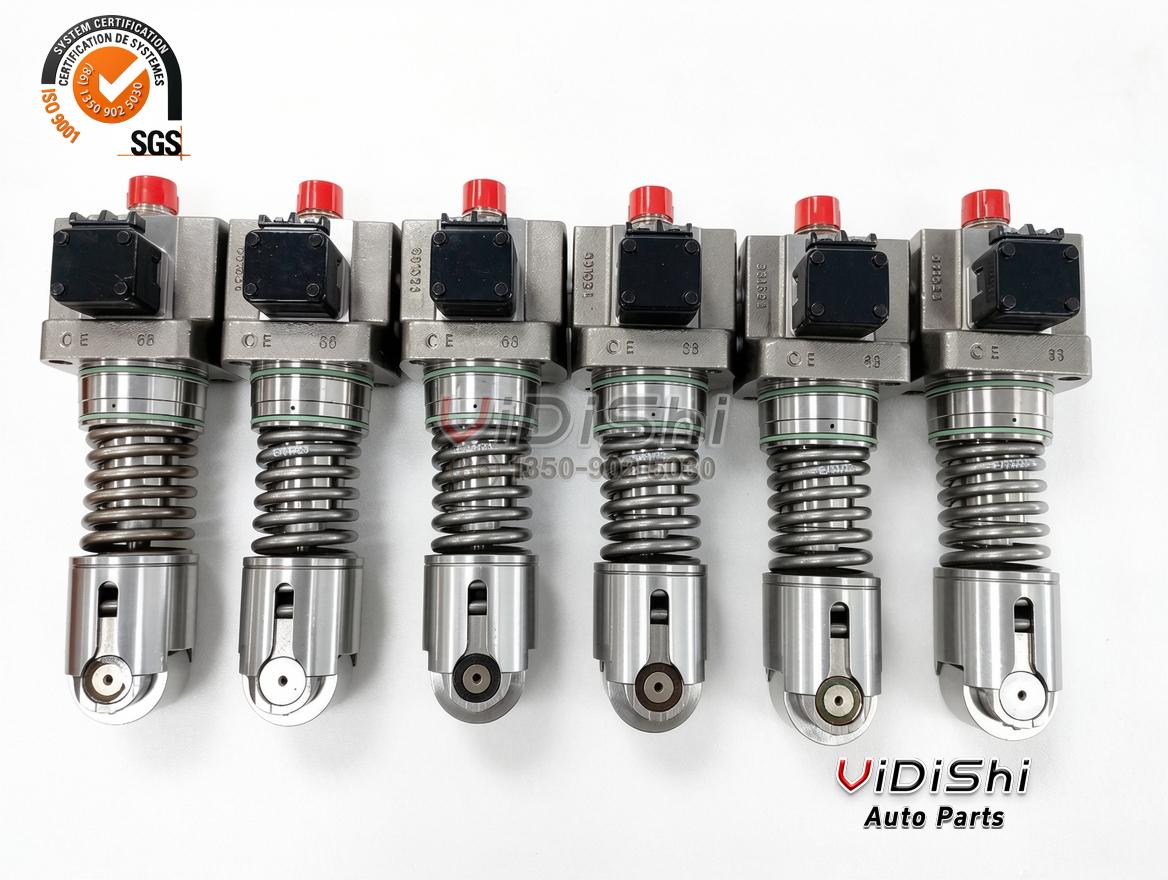
The internal numbers and the flange stamping are build-dependent: confirm against the number on your own module before ordering, because the Evolution Series build ran across several years and more than one revision is in service. That is also why we photograph the plate rather than relying on a catalogue entry.
Modules are checked mechanically and hydraulically before dispatch. Where a depot wants figures rather than a pass or a fail, the module can be run on a pump bench and the bench sheet supplied with the order; unit pump testing of that kind covers the same delivery and return-flow measurements used on rail fuel systems, and having the sheet on file makes a warranty conversation a short one. A reconditioned module is a different article from a new one, and this page describes a new module.
Two operational habits decide how long a replacement lasts, and neither is about the module. Diesel fuel contamination is the first: water and abrasive fines pass through a filter that is overdue and reach the plunger clearance directly. The second is the fuel filter replacement interval itself, which on standby or low-utilisation locomotives is often stretched because the engine has not done the mileage. Holding that interval is the cheapest reliability work available on this engine, and a working separator drain matters for the same reason, because water in diesel fuel reaches the pumping element as readily as grit does.
Wholesale & bulk supply
Vidishi Auto is an export supplier of diesel fuel system parts, serving depots, overhaul shops and distributors who service unit pump engines in volume.
4 pcs, with tiered terms as quantity rises.
Matched batches for full engine sets and depot stock.
Each module is capped, wrapped and carton-sealed for freight.
As a diesel parts distributor we run batch programmes from a handful of units through to container quantities, and as a locomotive parts supplier we consolidate mixed orders into a single shipment. A depot buying a dozen modules to cover a full engine set is buying bulk diesel parts on tiered terms rather than one unit at a time, and the effective piece price falls as the batch grows. Buyers who place a standing order usually want the same build from batch to batch, which is what our stock holding is arranged to give. Send your required quantity and destination port for a quotation.
Packaging, weight and shipping
Export packing and freight for single cartons through container volumes, quoted per order.
30 × 21 × 10 cm.
7.000 kg gross per carton.
4 pcs.
Capped module, wrap, carton sealed.
The 30 × 21 × 10 cm carton is sized for one capped module laid on its side, so a set for the twelve-cylinder engine ships as a compact case rather than a pallet of oversize boxes. The packaged shipping weight is 7.000 kg gross per carton, which covers the module, its protective caps and the sealed wrap. Freight options and delivery estimates are set out on our shipping information page; returns and cancellations are covered under returns.
Where several modules are quoted together, the figure that applies to your order is the one confirmed before dispatch rather than a headline number, because freight and quantity move it. Whether you are comparing a quotation from a local distributor or an offer from another exporter, ask for it to include freight and the warranty terms so the comparison is like for like.
An order that mixes diesel engine overhaul parts with the pump module can travel in the same case, and a workshop ordering engine rebuild parts for a single power assembly usually folds the module and its sealing ring into that same consignment. The export packing parts list is the same for one module or twelve: a protective cap on each port, a sealed wrap, and a carton sized so the module cannot move in transit.
For one module the courier option is usually the fastest route to a depot; for a full engine set, a consolidated case or a pallet brings the freight cost per piece down. Where the shipment is going to a resale or bonded address, ask for the commercial invoice and packing list to be issued with the dispatch documents so clearance is not held up at the destination.
Frequently Asked
Common questions about the SNK1791889 unit pump and ordering a compatible replacement.
Is SNK1791889 a genuine Bosch unit pump?
Is this a unit pump or a complete injector?
Which engines does this unit pump fit?
How do I know it fits my locomotive?
Why is the plate number different from the number on my old module?
How many modules does a full engine set need?
What is the minimum order quantity?
What causes a unit pump to fail?
Where should I start with unit pump troubleshooting?
What if the engine cranks no start?
Can a misfiring cylinder be fixed by electronic trim alone?
Is the nozzle included with the module?
What warranty applies?
Which other numbers refer to the same article?
What is the lead time, and can I return an unused module?
Do you offer fuel system diagnosis support?
Need Help matching?
Send the engine code plate and a photo of the old module; we confirm the SNK1791889 match before you pay.
Article number and engine code confirmed against the GEVO-12 application before dispatch.
Available for the module that is shipped, on request.
Written quotations and same-RFQ additions: [email protected]
Help reading balance and return-flow values before committing to a module replacement.
Order the SNK1791889 unit pump
Confirm your module number and the engine code and we will match the pump to your GEVO-12. Minimum order four pieces, with wholesale quantities available.
Brand and compliance note
Vidishi Auto is an independent supplier of compatible replacement parts. Brand names are used only to describe the application.
Vidishi Auto is an independent supplier of compatible replacement parts. Reference to Bosch, General Electric and Wabtec is made only to describe the application and the reference design. Those names, and the part numbers quoted on this page, are the property of their respective owners, and this page does not imply any affiliation with or endorsement by them.
The module described here is not a genuine Bosch part and is not Bosch-branded. It is offered for the GE GEVO-12 locomotive application and is warranted by Vidishi Auto for 12 months.
Reviews